

LED Smart Screen: Advancements, Applications, and Technical Insights in Modern Display Technology
As the digital age advances, LED smart screens have emerged as pivotal components in various sectors, ranging from advertising and entertainment to corporate communications and public information systems. With their enhanced interactivity, superior image quality, and flexible deployment options, LED smart screens are redefining the landscape of visual display technology.
Understanding LED Smart Screens
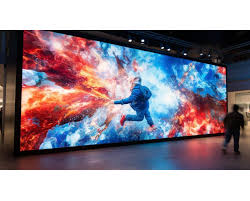
LED (Light Emitting Diode) smart screens combine traditional LED display technology with integrated smart features such as touchscreen capabilities, IoT connectivity, AI-powered content adaptation, and remote management systems. These devices are designed to offer dynamic, interactive, and high-resolution visual experiences optimized for both indoor and outdoor environments.
Technical Parameters and Industry Standards
The performance of LED smart screens is quantified by key technical parameters:
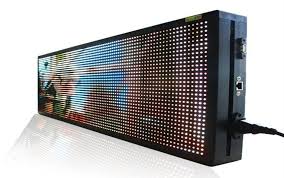
- Pixel Pitch: Defines the distance between the center of two adjacent pixels, typically ranging from 0.9mm to 20mm, influencing resolution and viewing distance. Indoor LED smart screens usually feature pixel pitches between 0.9mm to 4mm for fine detail, while outdoor screens use larger pitches (10mm +) for visibility at greater distances.
- Brightness: Measured in nits (cd/m²); indoor screens generally have 800-1500 nits, whereas outdoor displays reach 5000-7000 nits for clarity under direct sunlight.
- Refresh Rate: High refresh rates above 1920Hz ensure flicker-free, smooth video playback, essential for broadcasts and live events.
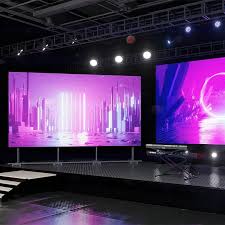
- Viewing Angle: Wide viewing angles of 140° horizontally and vertically guarantee consistent visibility from various perspectives.
- Contrast Ratio: High contrast ratios (e.g., 3000:1 or greater) enhance image depth and color fidelity.
These technical standards comply with industry benchmarks, including the IEC 62087 for energy measurement of TV displays and ISO 9241-302 for visual ergonomics, ensuring safety and performance.
Smart Functionalities Driving Innovation
LED smart screens leverage embedded sensors, processors, and software to adapt dynamically to user interaction and environmental conditions:
- Touch Integration: Capacitive and infrared touch technologies enable multi-touch interactions, useful for kiosks, education, and retail applications.
- IoT Connectivity: Enables centralized control and real-time data transmission for remote monitoring and maintenance within smart city ecosystems.
- AI-Powered Content Management: Using machine learning algorithms, these screens adjust displayed content based on audience demographics, weather, or time of day, maximizing engagement and relevance.
- Energy Efficiency: Smart brightness control and power-saving modes reduce operational costs and extend LED lifespan.
Applications Across Industries
The versatility of LED smart screens makes them indispensable in:
- Advertising and Marketing: Ultra-high-definition and interactive capabilities captivate audiences in shopping malls, outdoor billboards, and transit hubs. Case studies show up to a 25% increase in customer engagement when interactive LED smart displays are used versus traditional static signage.
- Corporate Communication: Meeting rooms and lobbies benefit from interactive LED walls that facilitate presentations and collaborative work environments.
- Entertainment and Sports Venues: Stadiums and theatres deploy massive LED smart screens for immersive spectator experiences with live feeds, stats, and dynamic advertisements.
- Education and Public Services: Schools and municipalities employ these screens for interactive learning, digital signage, and public notifications, improving information dissemination and user interaction.
Manufacturing and Quality Control
Producing reliable LED smart screens involves meticulous quality assurance protocols:
- Component Selection: High-quality LEDs with consistent luminance and color parameters are essential to avoid issues like color shift and pixel failure.
- Module Assembly: Precision machinery ensures accurate pixel alignment, minimizing dead zones and enhancing overall screen uniformity.
- Testing Procedures: Accelerated aging tests, waterproof certifications (IP65+ rating), and thermal cycling ensure durability under varied environmental conditions.
Manufacturers adhere to international standards such as RoHS (Restriction of Hazardous Substances) and CE certifications, asserting compliance with environmental and safety regulations.
Future Outlook and Challenges
The LED smart screen market is anticipated to grow significantly, driven by advancements in micro-LED technology and integration with AI and 5G communications. Challenges include reducing manufacturing costs and addressing eco-friendly disposal of LED materials.
In conclusion, LED smart screens represent a convergence of cutting-edge display technology and intelligent features that redefine how visual content is delivered and consumed. Their expanding presence across industries underscores their importance as tools for communication, engagement, and innovation.
References:
- International Electrotechnical Commission (IEC) Standards
- ISO 9241-302 Ergonomics of Human-System Interaction
- DisplayDaily Industry Reports
- Case Study: Interactive LED Displays Drive Retail Customer Engagement, AVMagazine, 2022
- RoHS Directive (2011/65/EU)













