

2000 Nit Brightness in LED Displays: Advancing Visibility and Performance Standards
In the evolving landscape of LED display technology, brightness remains a pivotal parameter that significantly influences the overall performance and user experience of screens across various applications. Among brightness benchmarks, 2000 nit has emerged as a critical standard, widely recognized for enabling enhanced visibility, compliance with industry demands, and superior display quality. This article explores the technical fundamentals, practical implications, and advanced use cases of 2000 nit brightness in LED displays, offering insight into why this level has become a de facto benchmark in both commercial and outdoor LED screen sectors.
Understanding Nit: Technical Significance
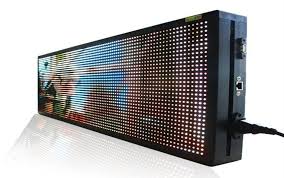
Nit, technically defined as candelas per square meter (cd/m²), quantifies luminance or brightness of a display. It measures the intensity of visible light emitted from a surface. For context, typical indoor LCD monitors possess brightness levels ranging from 200 to 350 nits, whereas outdoor LED displays often require far higher values to remain visible under direct sunlight.
Achieving 2000 nits is a major step above conventional indoor display standards, representing a luminance level sufficient to deliver clear, crisp imagery and text even in brightly lit environments. According to the International Electrotechnical Commission (IEC 60068-2-5) standards on display legibility, brightness beyond 1000 nits significantly improves readability in high ambient light conditions, placing 2000 nit screens well within the premium visibility category.
Technical Parameters Enabling 2000 Nit Brightness
Reaching and sustaining 2000 nits on an LED screen requires advanced engineering encompassing several key technical elements:
1. High-Efficiency LED Chips:
Utilizing LEDs with superior luminous efficacy—sometimes exceeding 150 lumens per watt—enables the display to produce intense light output without proportionally increasing power consumption or heat generation.
2. Optimized Thermal Management:
High brightness levels generate substantial heat. Robust thermal dissipation systems, including heat sinks, active cooling, or thermal interface materials, protect LEDs from overheating and maintain color stability.
3. Precision Optical Design:
Incorporating lenses and diffusion layers to amplify and uniformly distribute emitted light reduces hotspots and enhances overall brightness consistency across the screen area.
4. Advanced Drive Electronics:
High-frequency PWM (Pulse Width Modulation) dimming and robust current control circuits maintain brightness stability and prevent flickering under varying ambient light conditions.
Applications and Benefits of 2000 Nit Displays
- Outdoor Digital Signage:
Outdoor LED billboards and digital signage typically face direct sunlight, necessitating high brightness levels to stay legible throughout the day. Screens rated at 2000 nits strike an optimum balance between visibility and energy efficiency in urban environments.
- Broadcast and Studio Monitors:
For professional video production, 2000 nit HDR (High Dynamic Range) monitors provide a much wider color gamut and luminance range, enabling accurate color grading and enhanced viewer perception.
- Automotive and Aviation Displays:
Vehicle dashboards, HUDs (Head-Up Displays), and cockpit instruments benefit from 2000+nits brightness to ensure crucial data remains visible even under variable and intense sunlight conditions.
- Medical Imaging Displays:
In healthcare, high-brightness displays support clearer visualization of diagnostic images, especially in brightly lit operating rooms or clinical environments.
Energy Consumption and Environmental Considerations
While high brightness generally entails increased power consumption, the industry’s move towards energy-efficient LEDs and smarter power management technologies helps mitigate environmental impact. According to the U.S. Department of Energy's SSL (Solid-State Lighting) program, utilizing LEDs with high luminous efficacy and adaptive brightness controls can reduce total energy usage by up to 50% without compromising performance.
Challenges and Future Innovations
Sustaining 2000 nit brightness introduces challenges such as prolonged component lifespan, thermal stress, and potential color shift. Ongoing research in nanomaterial LEDs, microLED technology, and improved substrate materials aims to enhance brightness while extending durability. Additionally, AI-based brightness adaptation algorithms are emerging to dynamically adjust screen intensity according to ambient conditions, maximizing both visibility and energy savings.
Industry Case Study: Samsung’s 2000 Nit HDR Displays
One leading example is Samsung's implementation of 2000 nit peak brightness in their professional HDR signage and monitors. These displays comply with industry standards like Rec. 2020 for color accuracy and DCI-P3 for cinematic quality, delivering both stunning visuals and reliability under demanding conditions. Their widespread usage in broadcast studios, airports, and premium advertising spaces underscores the commercial viability and superiority of 2000 nit displays.
Conclusion
Achieving a 2000 nit brightness standard in LED displays marks a significant milestone that combines technical innovation with practical usability. It elevates display legibility across demanding environments and applications, setting new benchmarks in color fidelity, power efficiency, and durability. As LED technology continues advancing, 2000 nits will remain a crucial performance indicator, guiding manufacturers and end-users towards brighter, clearer, and more impactful visual communication.
For professionals and enterprises selecting high-performance LED screens, considering displays with 2000 nit brightness ensures resilience against challenging lighting conditions and optimizes viewer engagement, thereby maximizing return on investment and operational effectiveness.
References:
- International Electrotechnical Commission (IEC) 60068-2-5, Environmental Testing – Solar Radiation
- U.S. Department of Energy, Solid-State Lighting Program Report, 2023
- Samsung Display HDR Specifications and White Papers, 2022
- Lumileds Technical Datasheets, High Brightness LEDs, 2024













