

Advances and Best Practices in LED Display Manufacturing: A Comprehensive Overview
The LED display industry has experienced remarkable growth and technological advancements in recent years, driven by increasing demand for high-resolution, energy-efficient, and durable display solutions across various sectors. As a professional LED display engineer, it is imperative to comprehend the critical manufacturing parameters and quality standards that define contemporary LED screens, while integrating authoritative practices and case studies to optimize product performance and longevity.
Understanding LED Display Architecture
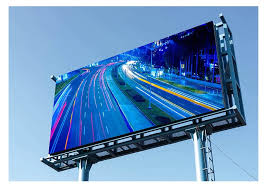
LED displays consist of an array of light-emitting diodes arranged to create vibrant visual output. Key components include the LED chips, driver ICs, printed circuit boards (PCBs), and encapsulation materials. The manufacturing process begins with selecting high-grade LED chips categorized by color (red, green, blue, or white), brightness, and power efficiency. For instance, the adoption of SMD (Surface-Mounted Device) technology, which houses tri-color LEDs within a single package, has improved pixel density and viewing angles.
Technical Parameters Influencing Display Quality
1. Pixel Pitch and Resolution: Pixel pitch, measured in millimeters, signifies the distance between the centers of two adjacent pixels. A smaller pixel pitch (e.g., 1.2 mm or less) delivers higher resolution, suited for indoor LED displays requiring close viewing distances. Conversely, larger pitches (e.g., 10 mm and above) cater to outdoor displays with greater viewing distances. Precision in pixel pitch directly affects image clarity and color fidelity.
2. Brightness and Contrast Ratio: Brightness, measured in nits (cd/m²), is a decisive factor, especially for outdoor displays exposed to ambient light conditions. Typical outdoor LED displays demand at least 5000 nits to ensure visibility under direct sunlight, adhering to industry standards such as the IEC 62471 for photobiological safety. Contrast ratio, enhanced by uniform LED luminance and black levels, ensures richer image depth.
3. Refresh Rate and Gray Scale: High refresh rates (e.g., ≥3840 Hz) prevent flicker effects, essential in broadcasting or video applications, while an advanced grayscale (10-bit or higher) offers seamless color gradients and vivid imagery. These parameters comply with recommendations from organizations like the Video Electronics Standards Association (VESA).
4. Power Consumption and Thermal Management: Efficiency metrics are often benchmarked in watts per square meter. LED modules incorporate efficient driver ICs and robust heat dissipation techniques—such as aluminum backplanes and active cooling—to maintain device longevity and consistent performance under prolonged operation.
Material Selection and Manufacturing Controls
Material quality plays a pivotal role. Utilizing UV-resistant encapsulation resins, conductive gold/gallium solder joints, and corrosion-resistant metal frames ensures durability, especially in challenging environments. Industry best practices include ISO 9001 certified production facilities which implement rigorous quality control throughout stages such as SMT (Surface Mount Technology) assembly, reflow soldering, and optical calibration.
Case Study: High-Definition Indoor LED Displays for Control Rooms
A recent project delivered an ultra-fine pitch LED screen with 0.9 mm pixel pitch, 1500 nits brightness, and a 3840 Hz refresh rate, customized for a critical control room. This installation achieved superior clarity, uniform light distribution, and zero visible flicker. The use of redundant power supplies and modular panel designs improved maintenance capabilities and system reliability, aligning with standards from the International Electrotechnical Commission (IEC).
Challenges and Future Trends
One ongoing challenge in LED manufacturing is balancing ultra-high resolution with cost-effectiveness. Innovations such as mini-LED and micro-LED technologies promise to push pixel pitch below 0.5 mm, offering unprecedented visual fidelity. Additionally, advances in artificial intelligence enable predictive maintenance by monitoring temperature, brightness, and power metrics in real-time.
Conclusion
Delivering high-quality LED displays necessitates meticulous attention to technical parameters, manufacturing processes, and material integrity. By adhering to international standards such as IEC and ISO and integrating cutting-edge technologies, manufacturers can provide reliable, energy-efficient, and visually compelling LED solutions tailored for diverse applications. Embracing these professional practices ensures the longevity and superior performance of LED displays, meeting the exacting demands of global markets.













