

Advancements and Technical Insights in LED Display Manufacturing
The global LED display industry has witnessed remarkable progress driven by rapid technological advancements and stringent quality standards. As a professional LED display engineer with extensive experience in LED and LCD screen manufacturing, I will provide an in-depth analysis of the current state of LED display production, including key technological parameters, process optimization, and strategic considerations vital to the sector’s development.
LED displays are ubiquitous across commercial, entertainment, transportation, and public sectors due to their outstanding advantages such as high brightness, energy efficiency, long lifespan, and superior image quality. Critical to manufacturing high-performance LED displays are parameters such as pixel pitch, brightness, refresh rate, viewing angle, and color accuracy, which are influenced by the quality of raw materials, assembly precision, and calibration techniques.
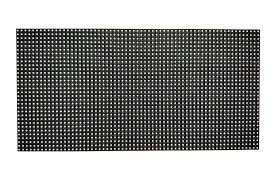
Pixel Pitch and Resolution
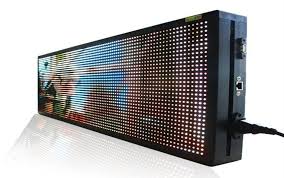
Pixel pitch, defined as the distance in millimeters between the centers of two adjacent pixels, greatly impacts display resolution and clarity. For outdoor applications, pixel pitches generally range from 3 mm to 20 mm, while indoor displays require finer pixel pitches as low as 0.9 mm to achieve high-definition imagery. Industry standards like the Digital Signage Federation recommend pixel pitches below 4 mm for indoor advertising to ensure clear visibility at close distances.
Brightness and Contrast Ratio
Brightness levels for LED displays vary depending on usage scenarios. Outdoor displays typically require luminance of 5000 to 7000 nits to combat sunlight glare, while indoor displays can operate efficiently with 500 to 1000 nits. Contrast ratio, the ratio of luminance between the brightest white and darkest black, is a critical factor influencing image quality. High-end LED displays achieve contrast ratios upwards of 3000:1 through innovative backlight management and pixel-level dimming technology.
Refresh Rate and Response Time
Proper refresh rates and response times are essential to minimize flicker and motion blur, especially for broadcast and sports applications. Modern LED displays incorporate refresh rates of 1920 Hz or higher, well above the human flicker fusion threshold, ensuring smooth video playback. Response times below 1 ms enable sharp transitions in fast-moving images, crucial for immersive viewing experiences.
Viewing Angle and Color Accuracy
Wide horizontal and vertical viewing angles of 140 degrees or more allow an LED display to maintain image consistency across various observer positions. High-grade LED modules use semiconductor dies with optimized lens structures to enhance angular light dispersion. Color fidelity, measured by color gamut coverage and Delta E values, is improved through precise calibration and quality LEDs, achieving Rec. 709 or Rec. 2020 color space compliance for premium displays.
Manufacturing Process and Quality Control
The fabrication process involves LED chip selection, PCB assembly, SMD or DIP packaging, module integration, and final calibration. Precision pick-and-place machinery, solder paste inspection (SPI), automated optical inspection (AOI), and in-line functional testing ensure defect minimization. Conformance to IPC standards like IPC-A-610 for electronic assemblies guarantees reliability and durability.
Thermal management is also vital, as LED performance and longevity degrade under excessive heat. Manufacturers employ heat sinks, metal-core PCBs, and active cooling systems to maintain optimal junction temperatures below 85°C, extending service life beyond 100,000 hours.
Case Study: Urban Public Display Implementation
A major city implemented a large-scale LED signage project involving over 200 square meters of LED screens with 3 mm pixel pitch, 6000 nits brightness, and 3840 Hz refresh rate. Through rigorous testing and compliance with IEC 62471 photobiological safety standards, the deployment met visual comfort and safety requirements, delivering vibrant, high-visibility public information displays with minimal maintenance downtime.
Future Trends and Innovations
Moving forward, micro-LED technology promises significant improvements with smaller pixel sizes, higher brightness, and energy efficiency, challenging traditional OLED and LCD displays. Additionally, integration of AI-driven calibration software and IoT connectivity will enable smarter displays capable of adaptive performance in varying environmental conditions.
In conclusion, delivering high-quality LED displays requires holistic attention to mechanical, electrical, and optical factors. Adhering to global industry standards, utilizing advanced manufacturing techniques, and continuous innovation are essential to meet the growing demand for versatile, durable, and visually superior LED solutions. As the industry progresses, engineers and manufacturers must maintain a balance between cost-effectiveness and cutting-edge technology to sustain competitive advantage and expand application scopes.
References:
- Digital Signage Federation Standards
- IEC 62471: Photobiological safety of lamps and lamp systems
- IPC-A-610 Acceptability of Electronic Assemblies
- CIE 1931 and Rec. 709/2020 color standards
- Latest research papers on micro-LED technology













