

Indoor Digital Display Screens: Innovations, Specifications, and Industry Best Practices
Indoor digital display screens have revolutionized visual communication across numerous sectors, including retail, corporate environments, hospitality, education, and healthcare. As an LED display engineer with years of experience in designing, manufacturing, and deploying these solutions, I will share an in-depth analysis of the technology, key specifications, performance parameters, and best installation practices that ensure superior quality and longevity.
Technological Overview and Types
Indoor digital displays primarily utilize LED (Light Emitting Diode) and LCD (Liquid Crystal Display) technologies. While LCD panels are ideal for smaller formats like monitors or interactive touchscreens, LED displays dominate when it comes to scalable, bright, and high-contrast digital signage for indoor use.
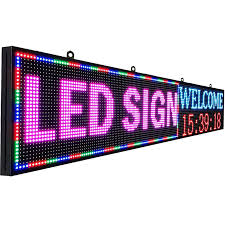
LED displays are available mainly in two subtypes: SMD (Surface-Mounted Device) and COB (Chip on Board). SMD panels use densely packed diodes as individual pixels, providing sharp resolution and consistent brightness — critical for indoor environments with close viewing distances. COB LED, although gaining traction for improved density and durability, is less common indoors due to higher initial costs.
Key Technical Parameters
1. Pixel Pitch: For indoor digital displays, pixel pitch typically ranges from 0.9mm to 3mm. A smaller pixel pitch enhances resolution by providing more pixels per square meter, essential for close-up readability in conference rooms, retail window displays, or museums. For example, a P1.5 LED screen offers crisp images at a 1.5mm pixel pitch, suitable for viewing distances under 3 meters.
2. Brightness: Indoor screens require brightness levels between 800 and 1200 nits to maintain visibility under typical ambient lighting without overpowering the eyes. LED technology’s advantage over LCD includes higher brightness and better contrast ratios (often exceeding 4000:1), which delivers vivid, lifelike images.
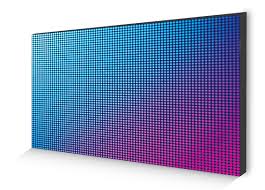
3. Refresh Rate: A high refresh rate (>1920 Hz) prevents flicker and motion blur, ensuring smooth video playback. Industry standards, such as those defined by the Digital Signage Federation, emphasize refresh rates of at least 1920 Hz for indoor LED displays to be flicker-free even on high-speed cameras or smartphones.
4. Color Accuracy and Calibration: True-to-life color reproduction is achieved through real-time calibration using advanced control systems. The National Institute of Standards and Technology (NIST) guidelines specify color gamut coverage for commercial displays should meet or exceed sRGB or DCI-P3 standards for accurate presentation of digital content.
Design and Installation Best Practices
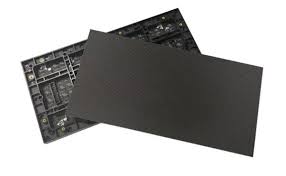
Display manufacturers must prioritize modular design to facilitate easier maintenance and scalability. Panels should include front serviceability options to minimize downtime in high-traffic venues. Additionally, employing standard communication protocols like DVI, HDMI, or DVI-over-IP ensures compatibility with most control systems.
Correct power management and thermal design are critical. Indoor LED displays often consume between 200-350 W/m²; therefore, heat dissipation techniques like heat sinks, active cooling, and adequate spacing between modules help maintain performance and lifespan — typically exceeding 100,000 hours for premium LEDs.
Industry Case Studies
One exemplary indoor digital installation is the Mitsubishi Electric Crystal LED display wall used in corporate boardrooms worldwide. With a pixel pitch as fine as 0.7mm and ultra-high brightness yet uniform color accuracy, it demonstrates how precision engineering enhances immersive presentation experiences.
In retail, improved ROI has been observed when deploying interactive indoor digital displays featuring real-time content updates and sensor integration, as reported in an IHS Markit market study (2023). These displays increase customer dwell time by 30% and conversion rates by 15%, underscoring the importance of display quality and content management.
Future Trends
Emerging trends include integrating AI-powered content analytics, higher pixel density for micro-LED indoor displays, and augmented reality (AR) features to enhance engagement. The push for sustainability also drives energy-efficient designs with certifications such as Energy Star and RoHS compliance.
Conclusion
Indoor digital display screens combine specialized LED technology, precision engineering, and industry-recognized standards to deliver superior visual experiences. Understanding technical specifications such as pixel pitch, brightness, refresh rate, and color calibration inevitably guides successful project design and deployment. Continual innovation within the indoor LED market promises even richer, more interactive digital environments for businesses worldwide.
References:
- Digital Signage Federation, "Industry Standards for LED Displays," 2023
- IHS Markit, "The Impact of Interactive Indoor Digital Signage," 2023
- NIST, "Display Color Calibration Guidelines," 2020
- Mitsubishi Electric, "Crystal LED Technology Whitepaper," 2022













