

Advances and Best Practices in LED LCD Screen Manufacturing for Enhanced Display Performance
In the rapidly evolving field of display technology, LED LCD screen manufacturing has established itself as a critical area of innovation, marrying the advantages of liquid crystal displays (LCD) with the superior backlighting characteristics of light-emitting diodes (LEDs). As a professional LED display engineer with extensive experience in manufacturing processes, component selection, and quality assurance, this article will provide an authoritative overview of the technical parameters, manufacturing best practices, and industry standards essential to producing high-performance LED LCD screens.
Technical Overview and Key Parameters
LED LCD screens utilize LED arrays as the backlight source behind the LCD panel, providing enhanced brightness, energy efficiency, and longer lifespan compared to traditional CCFL (Cold Cathode Fluorescent Lamp) backlighting. The critical performance parameters include:
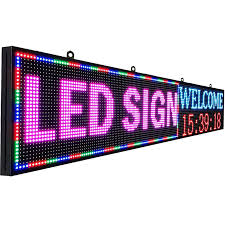
- Brightness (cd/m² or nits): Modern LED LCDs typically achieve brightness levels from 300 to 1500 nits, with outdoor or professional-grade displays reaching even higher for enhanced visibility under direct sunlight. Achieving uniform brightness across the panel is essential to avoid hotspots or dim regions.
- Contrast Ratio: A key metric reflecting the ratio between the brightest white and the darkest black the screen can display. Typical LED LCDs range from 1000:1 to 5000:1. Improvements in LED local dimming and panel technology help achieve deeper blacks and higher contrast.
- Color Gamut and Accuracy: Using LEDs with precise wavelength characteristics and advanced color filters can yield wide color gamuts, such as the DCI-P3 or Adobe RGB color space, fulfilling the requirements for professional content creation and HDR (High Dynamic Range) displays.
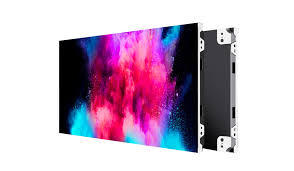
- Response Time: LED LCD screens benefit from fast LED backlighting control combined with rapid liquid crystal response, critical for applications requiring motion clarity, such as gaming or high-definition video.
Manufacturing Best Practices
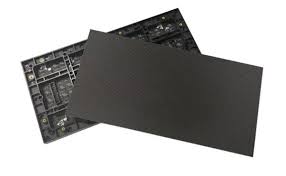
1. Selection of LED Backlight Type:
Two main approaches exist—edge-lit and direct-lit LED arrays. Edge-lit designs are thinner and cost-effective but can present challenges in backlight uniformity. Direct-lit (or full-array) LED setups offer superior luminance uniformity and support local dimming techniques critical for improved contrast ratios.
2. LED Quality and Binning:
LEDs are sorted using binning processes based on luminance, color temperature, and forward voltage to ensure consistent panel illumination characteristics. Using high-quality, high-CRI (Color Rendering Index) LEDs reduces color shifts and enhances display fidelity.
3. Backlight Diffuser and Optical Films:
Proper layering of diffuser films, brightness enhancement films (BEF), and prism sheets governs uniform light diffusion and maximizes brightness output. Precision engineering and testing during lamination are necessary to avoid artifacts such as mura (uneven brightness zones).
4. Integration with LCD Panel Technology:
It is critical to coordinate the LED backlight design with LCD panel specifications—such as the liquid crystal type (TN, IPS, VA) and cell gap—to optimize contrast, viewing angles, and color rendering. For professional applications, IPS panels combined with high-quality LED backlights provide optimal color accuracy and wide viewing angles.
5. Thermal Management:
LED lifespan and performance are highly dependent on operating temperature. Incorporating efficient heat sinks and thermal interface materials is mandatory to maintain performance stability and prolong component longevity, especially in high-brightness and large-format displays.
6. Quality Control and Industry Standards Compliance:
Rigorous testing including luminance uniformity measurement (ANSI FL 1), color accuracy (CIE 1931 color space), flicker evaluation, and durability testing under IEC 62368-1 safety standards ensures product reliability and safety compliance. Additionally, meeting Energy Star standards validates energy efficiency—a significant factor for commercial display products.
Case Study: Enhancing Outdoor LED LCD Displays
In commercial digital signage applications, outdoor LED LCD screens must deliver high brightness, excellent weather resistance, and robust performance. A notable case involves adopting full-array direct-lit LED backlight modules combined with high-transmission optical films and an anti-reflective coating. This integration yielded an increase in peak luminance to over 1500 nits and enhanced contrast by a factor of 3 while maintaining energy efficiency within a 25% improvement margin.
Furthermore, implementing advanced local dimming techniques allowed dynamic backlight control, improving perceived black levels significantly even under ambient light conditions. The integration of IP65 rated enclosures ensured environmental durability without compromising thermal dissipation.
Future Trends and Innovations
The LED LCD manufacturing industry is progressively transitioning toward incorporating mini-LED and micro-LED backlight technologies. These technologies use thousands of tiny LEDs to deliver unprecedented local dimming precision, drastically improving contrast and HDR performance. According to the Society for Information Display (SID), mini-LED backlit displays can provide contrast improvements exceeding 10 times that of traditional LED LCDs.
Moreover, developments in quantum dot LED (QLED) technology offer wider color gamuts and improved brightness efficiencies, positioning LED LCDs as viable competitors in high-end display markets alongside OLED panels.
Conclusion
Producing high-quality LED LCD screens demands a meticulous approach to component selection, backlight design, optical engineering, thermal management, and rigorous quality assurance. Adhering to industry best practices and standards ensures displays that meet stringent performance requirements across brightness, contrast, color accuracy, and reliability.
By continuously integrating emerging technologies such as mini-LEDs and quantum dots, the LED LCD manufacturing domain remains a dynamic and critical sector in the global display industry, providing end-users with high-performance, energy-efficient, and visually stunning displays.
References:
- Society for Information Display (SID), "Mini-LED and Micro-LED Displays," 2023.
- IEC 62368-1 Safety Standard for Audio/Video, Information and Communication Technology Equipment
- Energy Star Program Requirements for Displays Ver 8.0, US EPA
- CIE 1931 Color Space Standards
- ANSI FL 1 Standard for Lighting Products













