

Advanced LED Display Technology: Engineering Excellence and Industry Standards
In the rapidly evolving world of display technology, LED (Light Emitting Diode) screens have become the cornerstone for delivering vibrant, energy-efficient, and high-resolution visual experiences across various applications—from consumer electronics to large-scale commercial and industrial displays. As professional LED display engineers, our expertise draws on extensive technical knowledge, industry standards, and practical manufacturing experience to ensure cutting-edge product performance and reliability.
LED display technology operates by utilizing millions of tiny diodes that emit light when powered. Unlike traditional LCD or plasma displays, LEDs offer superior brightness, contrast ratios, color accuracy, and energy efficiency. Such performance advantages are crucial for installations in outdoor advertising, control rooms, stadium scoreboards, and digital signage, where dynamic content clarity directly influences user engagement and operational effectiveness.
Key Technical Parameters and Performance Indicators
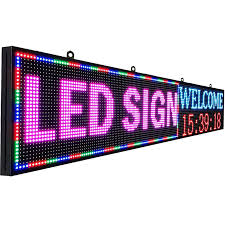
1. Pixel Pitch: Defined as the distance between adjacent LED clusters, pixel pitch significantly affects display resolution and viewing distance. For example, an LED panel with a 1.5 mm pixel pitch is suited for close viewing environments like retail or broadcasting studios, providing ultra-high resolution. In contrast, large outdoor billboards typically adopt pixel pitches ranging from 10 mm to 20 mm, balancing cost and visibility over considerable distances.
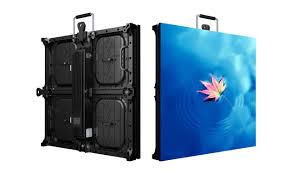
2. Brightness and Contrast Ratio: Brightness, measured in nits (cd/m²), typically ranges from 800 nits for indoor displays up to 5,000 nits or more for direct sunlight-readable outdoor screens. Contrast ratio, the luminance difference between the brightest white and darkest black, is enhanced by the LED’s inherent capability for individual pixel illumination, often exceeding 5,000:1. This leads to vivid image reproduction even in challenging lighting conditions.
3. Color Accuracy and Management: Employing advanced calibration techniques, modern LED displays achieve color gamuts surpassing sRGB standards, often approaching DCI-P3 for cinematic quality. Utilizing multi-chip RGB configurations and intelligent driving circuits, engineers can maintain color fidelity and consistency over the lifespan of the display, essential for broadcast quality and branding applications.
4. Refresh Rate and Signal Processing: High refresh rates, 1920 Hz and above, ensure flicker-free images suitable for high-speed video and live events. Sophisticated signal processing systems incorporated in control units offer real-time error detection and compensation, sustaining display stability and minimizing latency.
Manufacturing and Quality Assurance Practices
Expertise in LED display engineering extends into the rigorous manufacturing processes adhering to industry standards such as IPC-A-610 for electronic assembly and ISO 9001 quality management systems. Quality checkpoints include:
- SMD LED Selection and Binning: Using premium chips from reputable suppliers ensures brightness uniformity and long operational life. Binning categorizes LEDs based on luminance and color temperature, crucial for uniform display output.
- Thermal Management Solutions: Effective heat dissipation is achieved through aluminum chassis designs and integrated heat sinks, preventing thermal buildup that could degrade LED lifespan and performance.
- Electromagnetic Compatibility (EMC): Compliance with FCC Part 15 and CE standards safeguards against interference that could compromise signal quality or adjacent electronic systems.
Applications and Case Studies
A prominent example is the installation of a large-scale ultra-fine pitch LED video wall in Beijing’s broadcasting center, featuring a 0.9 mm pixel pitch. The project demonstrated exceptional image clarity and uniformity, contributing to enhanced broadcast visuals and audience engagement. Another case is the deployment of rugged high-brightness LED panels in airports and train stations, where reliability under continuous operation and varying ambient lighting conditions is essential.
Future Trends and Innovations
Emerging trends include Micro-LED technology, which promises even higher pixel density, increased energy efficiency, and thinner form factors. Integration with AI-powered content management systems and real-time environmental sensors enhance display adaptability. Additionally, sustainability practices focusing on recyclable materials and reducing supply chain carbon footprints are becoming integral to the manufacturing ecosystem.
The LED display industry is anchored by continuous innovation, meticulous engineering, and adherence to global standards, ensuring products not only meet but exceed user expectations. For engineers, understanding these technical and operational parameters is vital for delivering solutions that are not only visually impressive but also durable, safe, and environmentally responsible.













