

Advancements and Best Practices in LED Display Manufacturing: A Comprehensive Technical Guide
In the rapidly evolving field of display technology, LED displays have become a cornerstone for applications ranging from outdoor advertising to high-resolution indoor screens. As a seasoned LED display engineer with years of experience in manufacturing and deploying LED and LCD screens worldwide, this article aims to deliver a detailed and authoritative overview of the latest advancements, technical parameters, industry standards, and best practices in LED display manufacturing.
Introduction
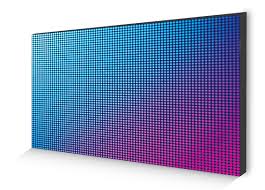
LED (Light Emitting Diode) displays are known for their superior brightness, energy efficiency, and long lifespan compared to conventional LCD screens. The manufacturing process of LED displays is complex and demands rigorous quality control, precise calibration, and a thorough understanding of electronic and optical principles. Today’s LED display market includes a variety of types such as SMD (Surface Mounted Devices) LED, DIP (Dual In-Line Package) LED, and micro-LED technologies, each offering unique advantages tailored for specific usage scenarios.
Main Body
1. Key Technical Parameters in LED Display Manufacturing
Understanding and optimizing technical parameters is vital to producing high-quality LED displays.
- Pixel Pitch: Defined as the distance between the centers of adjacent pixels, pixel pitch directly affects image resolution and viewing distance. Typical pixel pitch ranges from 0.9mm in fine-pitch indoor LED displays to over 10mm for large outdoor installations. For example, 1.2mm pixel pitch provides excellent detail for close-up indoor environments, adhering to industry recommendations from the International Commission on Illumination (CIE).
- Brightness and Contrast Ratio: Outdoor LED displays need to deliver brightness levels of at least 5,000 nits to ensure visibility under direct sunlight, whereas indoor displays typically operate between 800-1,200 nits. The contrast ratio, influenced by LED driving methods and screen construction, should ideally exceed 3,000:1 for vibrant image reproduction.
- Color Accuracy and Consistency: High-grade LED displays utilize 14-bit to 16-bit grayscale depth and advanced color calibration algorithms to achieve precise color rendering, crucial for advertising and broadcast applications. Implementing color management systems compliant with Rec. 709 or Rec. 2020 standards enhances the visual experience.
- Refresh Rate: Especially critical in video applications, a refresh rate above 3,000 Hz eliminates flicker on camera capture and ensures smooth motion rendering. This is a key specification aligned with guidelines from the Society for Information Display (SID).
2. Manufacturing Process and Quality Control
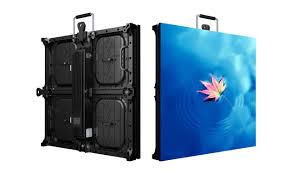
The manufacturing pipeline encompasses multiple stages: PCB design, LED bin selection, module assembly, soldering, and precise calibration. High reliability is often achieved through automated pick-and-place machines, oven reflow soldering for SMD LEDs, and rigorous binning based on luminance and chromaticity consistency.
- Module Fabrication: Modules are typically constructed with aluminum PCBs for effective thermal management, crucial for LED longevity. Thermal resistance standards should not exceed 2°C/W to avoid overheating.
- Calibration and Testing: Post-assembly, each module undergoes grayscale and color calibration using photometers and spectrometers. Integrated software systems facilitate uniformity correction, dead pixel detection, and aging tests that simulate over 10,000 operational hours.
- Compliance and Standards: Adhering to IPC standards for PCB manufacturing (IPC-6012) and IEC 62471 for photobiological safety is mandatory. Certifications such as UL and CE ensure product safety and quality assurance in global markets.
3. Emerging Technologies and Trends
Micro-LED and Mini-LED represent current frontiers, combining ultra-fine pixel pitches with enhanced brightness and energy efficiency. Micro-LED arrays boast pixel pitches of less than 0.5mm and have demonstrated peak brightness exceeding 10,000 nits, marking a breakthrough for near-retina quality imaging.
Flexible and transparent LED displays are also gaining traction for innovative applications in architectural design and automotive displays. Advanced materials such as graphene-based heat sinks and improved phosphor coatings enhance display lifetime and color gamut.
Conclusion
The manufacturing of LED displays is a sophisticated process requiring a balance of advanced engineering, meticulous quality control, and strict adherence to international standards. Technical parameters such as pixel pitch, brightness, color accuracy, and refresh rates are decisive factors influencing the end-product quality and application effectiveness. Emerging technologies like micro-LED promise further enhancements, offering unprecedented image quality and energy efficiency.
For professionals and manufacturers, staying abreast with evolving industry standards and leveraging cutting-edge manufacturing techniques is essential to remain competitive and deliver LED displays that meet the rigorous demands of global markets. Through continuous innovation and expertise, the future of LED display technology holds promising opportunities for diverse applications ranging from digital signage to immersive entertainment.













