

2000 nits monitor: The Ultimate Guide to High-Brightness Displays for Professional and Consumer Use
In the evolving landscape of display technology, 2000 nits monitors represent a significant breakthrough in brightness and visual clarity. Brightness, measured in nits (cd/m²), is a critical parameter for monitors used in both professional environments and consumer applications. A 2000 nits monitor offers enhanced visibility, superior HDR performance, and greater versatility in various lighting conditions, making it an essential tool for professionals in video production, graphic design, gaming, and outdoor digital signage.
Understanding the Importance of 2000 Nits Brightness
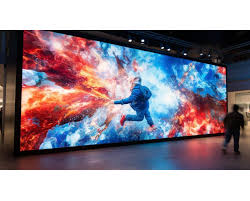
Brightness in displays directly impacts the image clarity and color accuracy, especially in environments with strong ambient light. Traditional monitors typically offer brightness levels of 250 to 350 nits, suitable for standard office or home use. However, 2000 nits—that is, brightness eight times stronger than conventional monitors—ensures high readability and reduced glare under direct sunlight and brightly lit areas.
Technical Parameters and Industry Standards
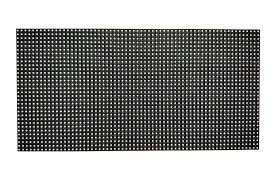
A 2000 nits monitor meets or exceeds standards such as the VESA DisplayHDR 1000 certification, which requires peak brightness to surpass 1000 nits for excellent HDR capability. In contrast, 2000 nits monitors push this benchmark, allowing for ultra-realistic high dynamic range (HDR) content display. Key technical features include:
- Peak Brightness: 2000 nits (cd/m²)
- Contrast Ratio: Typically 1000:1 or higher for LCD panels, often improved with local dimming zones
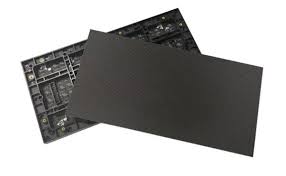
- Color Gamut: Supports wide gamuts like DCI-P3 or Rec. 2020 for accurate color reproduction
- HDR Formats: Compatible with HDR10, Dolby Vision, and HLG standards
- Panel Technology: Usually IPS or VA with LED backlighting or mini-LED technology for better brightness uniformity and energy efficiency
Applications of 2000 Nits Monitors
1. Video Editing and Post-Production: Editors benefit from precise highlights and shadows in HDR content, ensuring color grading is consistent across devices and real-world viewing conditions.
2. Outdoor & Semi-Outdoor Digital Signage: Displays deployed in storefronts, airports, or stadiums leverage 2000 nits monitors to maintain content readability regardless of daylight intensity.
3. Professional Photography & Design: High brightness aids in evaluating print proofs and digital artwork under realistic lighting simulation.
4. Gaming: The immersive experience of HDR gaming is enhanced by high brightness levels, delivering lifelike visuals and improved contrast, crucial for competitive gaming environments.
Challenges and Solutions in Manufacturing 2000 Nits Monitors
Manufacturing high-brightness monitors poses challenges such as power consumption, heat dissipation, and ensuring uniform brightness. Advances in LED backlight technology, particularly mini-LEDs and quantum dot enhancement films (QDEF), have dramatically improved brightness efficiency while maintaining slim profiles and reducing energy usage. Effective thermal management systems, including heat sinks and active cooling, are essential to sustain brightness without compromising the lifespan of the display.
Case Studies and Market Trends
Leading manufacturers like Dell, ASUS, LG, and Eizo have integrated 2000 nits technology into their top-tier models targeting professionals and gamers. For instance, the ASUS ProArt PA32UCX achieves peak brightness upwards of 2000 nits with HDR10 and Dolby Vision support, favored by professional video editors for its color fidelity and luminance. Meanwhile, outdoor digital signage vendors utilize 2000 nits panels to ensure content visibility at all times, reducing the need for mechanical shading or enclosures.
Conclusion
The advent of 2000 nits monitors marks a pivotal step in display technology, addressing critical requirements for brightness, color accuracy, and HDR capability. Whether used for professional content creation, demanding gaming setups, or outdoor signage, these monitors deliver unmatched clarity and versatility. As LED backlighting and quantum dot technologies continue to advance, 2000 nits and beyond will become standard, setting new benchmarks for the future of high-performance displays.
References:
- VESA DisplayHDR Specifications: https://displayhdr.org/specifications/
- Society for Imaging Science and Technology (IS&T): "High-Brightness Display Technologies"
- Publications from Journal of the Society for Information Display (SID)
- Product specifications from ASUS, Dell, and LG official datasheets













