

Advanced LED Display Technology: Applications, Advantages, and Emerging Trends
LED display technology has rapidly evolved into a cornerstone of modern visual communication, offering unparalleled brightness, energy efficiency, and versatility for diverse applications globally. As a professional with extensive experience in LED and LCD screen manufacturing, I will provide an authoritative overview highlighting practical applications, significant advantages, common challenges, and the latest industry trends, supported by technical parameters and industry standards.
Practical Applications of LED Displays
LED displays are widely used across multiple sectors due to their adaptability and high performance:
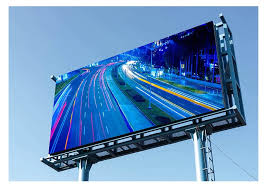
- Outdoor Advertising and Digital Billboards: High brightness levels of 5,000 to 10,000 nits ensure visibility even under direct sunlight, complying with IEC 62087 standards for outdoor luminance. Outdoor LEDs utilize IP65 or higher-rated enclosures for weather resistance.
- Sports Arenas and Entertainment Venues: Large-format displays with refresh rates exceeding 3,840 Hz minimize flicker on slow-motion broadcasts, meeting SMPTE standards for broadcast quality.
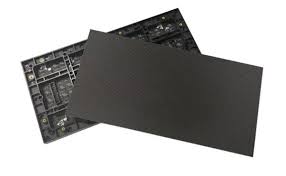
- Retail and Transportation Hubs: LED video walls and digital signage facilitate dynamic content marketing and real-time information dissemination, enhancing customer experience.
- Control Rooms and Corporate Environments: High-resolution LED panels with pixel pitches from 1.2mm to 2.5mm present critical data with precision and clarity under IEC 62471 photobiological safety regulations.
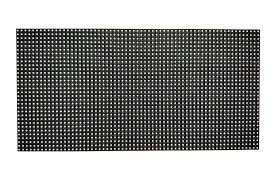
Advantages of LED Display Technology
Among the numerous benefits, the most noteworthy are:
- Superior Brightness and Contrast: LED displays can achieve contrast ratios surpassing 3,000:1, offering vibrant image quality in various lighting conditions.
- Energy Efficiency: Compared with LCDs, LEDs consume up to 30-50% less power due to their direct emissive technology, supporting international energy standards like ENERGY STAR and RoHS compliance.
- Longevity and Reliability: High-quality LED modules typically have lifespans exceeding 100,000 hours, significantly reducing maintenance and replacement costs.
- Flexibility and Customization: Modular construction allows customization of screen sizes and shapes, including curved and flexible displays, adapting to architectural aesthetics.
- Environmental Resistance: Robust encapsulation technologies ensure performance stability in temperature ranges from –30°C to +50°C and humidity levels up to 95%.
Common Problems and Solutions
Despite their advantages, LED displays face several challenges:
- Pixel Failure and Dead Pixels: Over time, individual LEDs may fail, causing visible dead spots. Applying high-quality LED chips (e.g., Nichia or Cree) and implementing rigorous quality control during manufacturing can minimize defects.
- Color Uniformity Issues: LED aging and heat dissipation inconsistencies can cause color shifts. Implementing active calibration systems and uniform heat sinks can uphold color consistency.
- Data Transmission Bottlenecks: High refresh rates and resolutions require robust data transfer protocols. Utilizing advanced standards like HDMI 2.1 and HDBaseT ensures uninterrupted signal flow.
- Maintenance in Harsh Environments: Dust, moisture, and temperature fluctuations necessitate protective measures. IP-rated enclosures, conformal coatings, and regular preventive maintenance are industry best practices.
Latest Trends in LED Display Technology
The LED industry continues to innovate with several cutting-edge advancements:
- Mini-LED and Micro-LED Technologies: Offering superior contrast and color accuracy with pixel pitches below 0.5mm, these technologies promise bezel-less displays and unprecedented resolution for both indoor and outdoor applications.
- AI-Driven Content Management: Integration of artificial intelligence optimizes display content based on audience analytics and environmental factors, enhancing engagement and operational efficiency.
- Sustainability Efforts: Manufacturers are increasingly prioritizing eco-friendly materials and recyclable components, aligning with global sustainability goals and regulations such as WEEE and REACH.
- Wireless and IoT Connectivity: Smart LED displays supporting wireless data streams and Internet of Things (IoT) integration streamline system control, diagnostics, and remote management.
- Transparent and Flexible LED Displays: Innovations allow installations on glass surfaces or curved structures without obstructing visibility, opening new frontiers in architectural design.
In conclusion, the evolution of LED technology offers a formidable blend of performance, reliability, and adaptability, firmly establishing it as an essential display solution worldwide. Aligning manufacturing practices with international standards such as IEC, SMPTE, and ENERGY STAR ensures quality and compliance. Embracing emerging trends such as micro-LED and AI-driven systems will propel the display industry into the next generation of visual excellence.













