

Innovations and Applications of 5-Faces Cube LED Displays in Modern Visual Technology
In the rapidly evolving sector of digital visual technology, the 5-faces cube LED display has emerged as a pioneering solution, offering unparalleled versatility and immersive engagement across multiple industries. This innovative display technology integrates five interactive surfaces into a compact cubic structure, enabling multi-angular viewing experiences that traditional flat screens cannot match. Understanding the technical intricacies, design considerations, and practical applications of 5-faces cube LED displays is essential for professionals seeking to leverage this technology for enhanced visual communications.
A 5-faces cube LED display is essentially a cube consisting of five active LED panels; typically, the bottom face is excluded to allow mounting or placement. Each face operates as an independent LED display, equipped with high-resolution SMD (Surface-Mounted Device) LED modules. The standard pixel pitch for such displays generally ranges from 1.5mm to 4mm, balancing fine image resolution with optimal viewing distance. The choice of pixel pitch directly influences the display’s visual clarity and the minimum viewing distance — an important technical parameter when designing for specific environments such as retail spaces, control rooms, or exhibitions.
Manufacturing these cube displays requires precise electronic control and robust structural engineering to ensure seamless content synchronization across all five faces. Each panel is driven by its own LED driver IC cluster, connected through a high-speed data bus that coordinates image processing and refresh rates. Common driver ICs like the MBI5153 or ICN2037 are favored for their high grayscale levels (up to 14-bit per channel) and refresh rates exceeding 1920Hz, reducing flicker and enhancing eye comfort even during high-speed video playback.
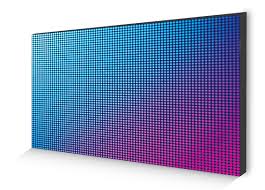
A core engineering challenge lies in the seamless angular integration of these five faces while preserving display rigidity and heat dissipation efficiency. Manufacturers often employ aluminum alloy frameworks with precision-machined joints to ensure perfect alignment and minimize light leaks at panel seams. Efficient thermal management, critical for LED longevity and performance stability, typically involves passive heat sinks coupled with advanced PCB materials, maintaining an operating temperature between -20°C and 50°C.
From a software perspective, 5-faces cube LED displays leverage sophisticated content management systems (CMS) capable of handling real-time data deployment and complex multi-display arrangements. These systems support diverse content formats, including 2D and 3D animations, interactive touch inputs, and live video streams, enabling dynamic storytelling in advertising, immersive exhibitions, and control centers. Synchronizing content across five faces presents unique programming requirements, typically addressed by GPU-accelerated video processors and scaler boards that unify the multiple data streams into a coherent multi-faceted visual experience.
The commercial and industrial applications of 5-faces cube LED displays are extensive. Retailers use these cubes for captivating product showcases, where customers can view advertisements and promotional information from various vantage points. In transportation hubs such as airports or train stations, these displays provide crucial real-time information visible from multiple directions, enhancing passenger flow and information accessibility. Moreover, branded installations at public events and trade shows utilize the cube’s 360-degree visibility to maximize audience engagement, foster interaction, and increase brand visibility.
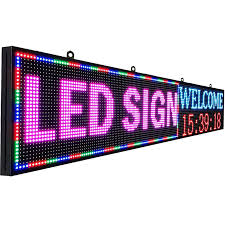
Case studies from leading LED manufacturers report notable improvements in customer engagement metrics when deploying 5-faces cube LED technology. For instance, a multinational retail chain observed a 25% increase in foot traffic near promotional zones utilizing cube LED displays, attributing the rise to the captivating, all-around content delivery. Similarly, a global event organizer implemented cube LED installations that facilitated up to 30% higher attendee retention due to the immersive and interactive nature of the visual presentations.
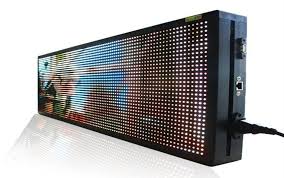
International industry standards, such as those published by the International Electrotechnical Commission (IEC 62368-1 for safety and IEC 62087 for audio, video, and multimedia technologies), provide essential guidelines for ensuring operational safety, electromagnetic compatibility, and quality benchmarks in cube LED display manufacturing. Compliance with these standards ensures that manufacturers meet global quality and safety requirements, reassuring clients of product reliability and longevity.
In conclusion, the 5-faces cube LED display represents a significant advancement in multi-dimensional digital display technology, combining technical sophistication with practical utility. Its design parameters—including pixel pitch, driver IC choice, thermal management, and software integration—form the backbone of its superior performance. As the demand for immersive, captivating visual experiences grows worldwide, the 5-faces cube LED display offers a versatile, high-impact platform perfectly suited for modern applications spanning retail, transportation, events, and beyond.













