

Advancements and Best Practices in LED Display Manufacturing: Ensuring Quality and Performance
In the dynamic field of LED display manufacturing, achieving superior quality and reliable performance requires a comprehensive understanding of advanced technologies, precise production processes, and strict adherence to industry standards. As an experienced LED display engineer with extensive expertise in LED and LCD screen manufacturing, this article delves deep into the critical factors that govern LED display quality, shares practical insights from industry-leading case studies, and highlights key technical parameters essential for optimal product performance.
Technical Fundamentals of LED Displays
LED (Light Emitting Diode) displays comprise a matrix of tiny light-emitting components arranged to reproduce images or videos with vibrant colors and high brightness. The core technical parameters influencing LED display performance include pixel pitch, brightness, contrast ratio, refresh rate, color gamut, and viewing angle.
- Pixel Pitch: Defined as the distance between the centers of two adjacent pixels, pixel pitch directly affects resolution and viewing proximity. Fine pitch LED displays typically have pixel pitches ranging from 0.9mm to 2.5mm, suitable for indoor environments requiring close-up viewing, whereas outdoor LED screens generally feature larger pixel pitches (4mm to 20mm) to maintain visibility at long distances.
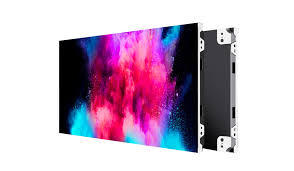
- Brightness and Contrast Ratio: Outdoor LED displays must achieve luminance levels exceeding 5,000 nits to maintain visibility under direct sunlight. The contrast ratio, often enhanced via advanced driving IC designs, ensures rich color saturation and image clarity.
- Refresh Rate: To minimize flickering and ensure smooth video playback, refresh rates of 3,000 Hz or higher are standard in modern LED displays. This is especially critical in broadcasting and live event applications to satisfy high frame rate requirements.
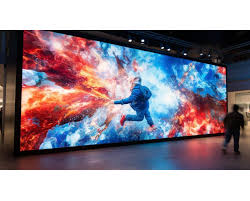
- Color Gamut and Calibration: The capability to reproduce a wide color spectrum and maintain color consistency requires precise calibration and often the integration of color management systems compliant with standards such as Rec.709 or DCI-P3.
Manufacturing Best Practices
Achieving high-quality LED displays involves controlled manufacturing processes encompassing LED chip selection, PCB design, module assembly, soldering, and testing.
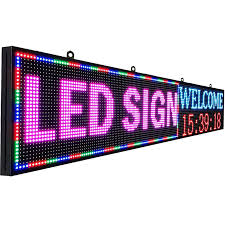
1. Sourcing High-Quality LED Chips: Selecting LEDs with uniform brightness and chromaticity tolerance is fundamental. Industry leaders like Cree, Nichia, and Samsung offer LEDs compliant with A-TOP binning for consistent visual performance.
2. Advanced PCB Design: Multi-layer PCBs with optimized thermal dissipation paths enhance operational reliability. Copper thickness and high-quality substrates improve heat management—a major factor affecting LED lifespan.
3. Precise Soldering and Assembly: Automated SMT (Surface Mount Technology) lines with rigorous quality control reduce defects. Solder joint reliability is crucial, as thermal cycling can induce mechanical stress leading to failure.
4. Stringent Quality Control and Testing: Comprehensive in-line inspections including AOI (Automated Optical Inspection), photometric analysis, and environmental stress screening guarantee that each module meets or exceeds industry standards such as IEC 62368-1 for safety and IEC 60598 for lighting quality.
Case Studies and Industry Trends
A renowned global sporting event in 2023 deployed indoor fine-pitch LED displays with a pixel pitch of 1.2mm, brightness levels of 1,200 nits, and a refresh rate of 3,840 Hz, enabling ultra-clear broadcast-quality visuals. This success was attributed to agile cooperative manufacturing, real-time quality control, and adherence to the IEEE 1588 Precision Time Protocol to synchronize large-scale video display systems.
Emerging trends involve the utilization of Micro-LED technologies, which promise higher brightness, lower power consumption, and improved durability compared to traditional LEDs. Moreover, integration of AI-driven calibration systems enables automatic compensation for color and brightness uniformity drift during the product lifecycle.
Conclusion
The manufacture of high-performance LED displays necessitates an interdisciplinary approach incorporating advanced electronic components, robust manufacturing processes, meticulous quality control, and ongoing innovation in materials science. As the industry evolves, maintaining compliance with international standards and adopting new technologies such as Micro-LEDs and AI-assisted calibration will continue to enhance display quality and reliability.
By prioritizing these technical and operational aspects, manufacturers can deliver LED display solutions that meet the demanding expectations of diverse applications—from indoor advertising walls to massive outdoor stadium screens—fulfilling global market requirements with professionalism and scientific rigor.
References:
- IEC 62368-1 (Audio/video, information and communication technology equipment – Safety requirements)
- IEC 60598 (Luminaires - General requirements and tests)
- IEEE 1588 (Precision Clock Synchronization Protocol)
- Cree, Nichia, Samsung LED product datasheets
- Society for Information Display (SID) Technical Digest, 2023
- “Advances in Micro-LED Display Technology,” Journal of Display Technology, 2023













