

Innovative Technologies and Industry Standards in Taxi Top LED Displays
In recent years, taxi top LED displays have become an essential advertising medium, transforming conventional taxi roofs into dynamic platforms that deliver real-time, eye-catching messages. As a professional LED display engineer with extensive experience in manufacturing and implementing LED technologies, this article delves into the technical intricacies, industry standards, and emerging trends that define modern taxi top display systems.
Technical Overview and Specifications
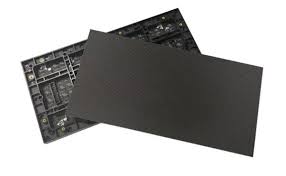
Taxi top LED displays typically consist of high-resolution LED modules designed to withstand harsh weather conditions and constant vibration associated with vehicle movement. Commonly, these displays utilize SMD (Surface-Mounted Device) technology, ensuring a seamless and ultra-bright presentation even under direct sunlight. Typical pixel pitches for taxi top screens range from 4mm to 10mm, balancing clarity and cost-efficiency, with a standard brightness level of 5,500 to 7,000 nits to maintain visibility in daylight.
The display size generally ranges from 48 to 72 inches diagonally, tailored to fit the vehicle roof without compromising aerodynamics or vehicle safety. Modules are designed to be lightweight and robust, featuring aluminum alloy enclosures and IP65-rated waterproofing, conforming to the Ingress Protection Code ensuring dust and water resistance critical for outdoor use.
Integration and Control Systems
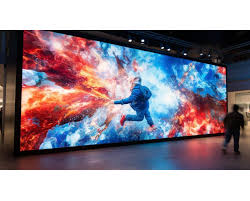
Modern taxi top displays integrate with vehicle power supplies and often support battery backup systems that prevent data loss during power interruptions. Control hubs use embedded systems equipped with Wi-Fi, 4G/5G, or even dedicated IoT communication modules, enabling remote management of content through cloud-based platforms.
Advanced synchronization technology allows fleet-wide uniform messaging or targeted advertisement adjustments based on geographic location. For example, integration with GPS systems enables location-responsive ads, optimizing relevance and advertising impact.
Industry Standards and Regulatory Compliance
Adherence to international quality standards is crucial for taxi top LED displays. Manufacturing often complies with IEC 60068 for environmental testing, RoHS Directive for hazardous substances, and FCC Part 15 for electromagnetic interference, ensuring safety and regulatory approval worldwide.
Additionally, local regulations must be observed, especially concerning brightness limits to avoid driver distraction, and structural mounting standards to ensure safe operation. In many jurisdictions, brightness is capped around 7,000 nits and auto-dimming features are incorporated for night-time driving.
Case Studies and Market Trends
Cities like New York, London, and Singapore have embraced taxi top LED screens as part of their urban advertising and smart city initiatives. For instance, the integration of AI-driven content management has shown increased ad engagement by 20%-30%, according to market analyses from PQ Media.
Moreover, environmental considerations are becoming a focus, with manufacturers innovating energy-efficient LED panels consuming less than 100 watts for medium-sized taxi displays, coupled with solar charging platforms to reduce carbon footprints.
Future Directions
Looking forward, the taxi top display industry is advancing towards flexible and curved displays, enabling better aerodynamics and aesthetic integration with taxi roofs. Higher resolution microLED technologies promise even sharper images with significantly lower power consumption.
Additionally, convergence with autonomous vehicle technologies offers new possibilities—dynamic information exchange between vehicles and infrastructure could transform taxi top displays into interactive communication hubs.
Conclusion
Tax top LED displays combine advanced light-emitting components, rugged hardware design, and intelligent control software to deliver compelling advertising solutions in urban landscapes. Compliance with technical standards and incorporation of innovative technologies ensures they remain a leading format for dynamic, location-based advertising.
Drawing upon over a decade of industry experience, it is clear that continuous advancements in LED technology, coupled with smart control systems, will significantly elevate the effectiveness and operational reliability of taxi top displays worldwide.













