

Advanced LED Display Technology: Applications, Advantages, Challenges, and Emerging Trends
LED display technology has revolutionized the visual communication landscape, finding extensive applications across industries such as advertising, entertainment, retail, transportation, and education. As a professional LED display engineer with years of experience, I will provide a comprehensive, in-depth analysis of LED display technology, covering its practical applications, inherent advantages, common challenges encountered in manufacturing and deployment, as well as the latest trends that are shaping its future.
Practical Applications of LED Displays
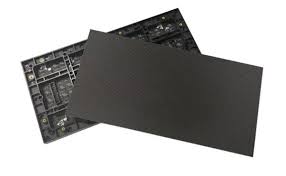
LED displays function by illuminating thousands to millions of light-emitting diodes (LEDs) arranged in matrix patterns to create images or videos. Their versatility allows deployment in various formats including outdoor billboards, indoor video walls, stadium scoreboards, transportation signage, and digital retail displays. For example, P3.91 and P2.5 laser-etched LED displays are widely used in retail environments, where pixel pitch precision is critical to ensure high resolution and readability at close proximity (Avnet Electronics, 2023).
In transportation, LED displays like the P10 full-color outdoor modules are designed to withstand harsh environmental conditions and provide real-time updates such as bus arrivals or traffic alerts. Stadiums utilize large-format displays with pixel pitches ranging from 4mm to 10mm, optimized for viewing distances of tens of meters, enhancing spectator engagement with real-time video feeds and interactive graphics.
Advantages of LED Display Technology
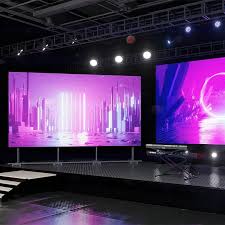
Several advantages have positioned LED displays as the preferred choice over older display technologies such as LCD or projection systems. These include:
1. High Brightness and Visibility: LEDs can achieve brightness levels upwards of 5,000 nits, allowing clear visibility even under direct sunlight (IEC 62471 standard for photobiological safety).
2. Wide Viewing Angles: Modern LED modules offer viewing angles exceeding 140 degrees horizontal and vertical, reducing image distortion from diverse audience perspectives.
3. Energy Efficiency: Compared to traditional incandescent lighting and even LCD backlit displays, LEDs consume 30-50% less power, contributing to lower operational costs and sustainability goals.
4. Long Lifespan and Reliability: With life expectancy often exceeding 100,000 hours (industry norm based on LM-80 testing), LEDs provide reduced maintenance and replacement needs.
5. Flexibility in Design: Modular LED panels support curved, transparent, and flexible installations, facilitating innovative architectural integrations.
Common Challenges and Solutions
Despite the advantages, LED display engineers frequently encounter technical and operational challenges:
- Heat Dissipation: High-density LED modules generate significant heat that can degrade performance if not properly managed. Advanced aluminum alloy cabinets paired with heat sinks and passive cooling systems are industry standards to alleviate thermal stress.
- Moisture Ingress: Outdoor displays face risks from moisture and dust. IP65 or higher-rated enclosures incorporating silicone seals and anti-corrosion coatings have become essential to ensure longevity.
- Color Uniformity: In large panels, color shift may occur due to LED binning inconsistencies or aging. Calibration using spectroradiometers and real-time correction via color management software maintains uniform visual output.
- Pixel Failure: Dead pixels or 'hot spots' can affect image quality. Rigorous quality control using 4-point testing (electrical, luminance, chromaticity, and mechanical inspection) during production reduces failure rates.
Latest Trends in LED Display Technology
The LED display sector is rapidly evolving, with trends focused on enhancing resolution, interactivity, and integration:
1. MicroLED Displays: MicroLED technology shrinks the LED chip size to the micron scale, enabling ultra-high resolution with exceptional brightness and contrast while maintaining low power consumption. Brands like Samsung and Sony are pioneering MicroLED video walls for premium retail and entertainment applications (SID Display Week, 2024).
2. Direct View LED (DVLED): DVLED panels, often employing a fine pixel pitch (≤1.5mm), provide superior indoor image quality rivaling OLED displays but with greater durability and brightness.
3. AI-Driven Maintenance: IoT-enabled LED display systems utilize artificial intelligence to predict failures, perform automated diagnostics, and optimize power usage, reducing downtime and operational expenditure.
4. Transparent and Flexible Displays: Transparent LED panels offer architectural design freedom by allowing natural light transmission while displaying digital content, widely used in car showrooms and retail windows. Flexible LED displays enable curved or foldable installations, opening new possibilities in advertising and public art.
5. HDR and High Frame Rates: Incorporation of High Dynamic Range (HDR) and support for frame rates up to 120 Hz enhances video fidelity, critical for sports broadcasting and immersive experience venues.
Standardization and Quality Assurance
Adherence to industry standards such as IEC 60529 for ingress protection, ISO 9001 for manufacturing quality, and energy efficiency certifications ensures reliability and customer trust. Furthermore, alignment with digital signage protocols like the Open Pluggable Specification (OPS) facilitates seamless content management and system integration.
Conclusion
LED display technology stands as a cornerstone of modern digital visualization, offering dynamic, energy-efficient, and scalable solutions across diverse sectors. Understanding its practical applications, leveraging its advantages, navigating challenges through engineering best practices, and staying abreast of emerging trends enable stakeholders to maximize ROI and deliver engaging visual experiences. Investing in quality manufacturing processes, thermal and optical optimization, and innovative technology adoption remains key to success in this competitive industry.
References:
1. Avnet Electronics Corp. (2023). LED Display Technologies and Applications.
2. International Electrotechnical Commission (IEC). IEC 62471: Photobiological safety of lamps and lamp systems.
3. SID Display Week 2024 Technical Proceedings – Advances in MicroLED Technology.
4. ISO 9001 Quality Management Standards.













