

Open Frame Display Technology and Its Applications in Modern Industries
Open frame displays have emerged as a pivotal innovation in the visual technology landscape, offering unparalleled versatility and customization potential across numerous industrial sectors. Characterized by their minimalistic casing and exposed design, these displays provide unique advantages over traditional enclosed screens, making them indispensable in various applications ranging from kiosk systems to industrial automation.
At the core of open frame display technology is the integration of high-quality LCD or LED panels that deliver exceptional brightness, contrast ratios, and wide viewing angles. Typically, these displays feature screen sizes ranging from 7 inches to 55 inches, with resolutions from HD (1280x720) to 4K UHD (3840x2160), depending on the application requirements. The open frame construction supports the inclusion of touch sensors—capacitive or resistive touch panels come standard—allowing for interactive user experiences without the bulk of a traditional frame.
One of the distinct advantages of open frame displays is their flexible mounting options. With pre-drilled mounting holes and slim bezels, these displays are engineered for seamless integration into existing enclosures, kiosks, or machinery. This design philosophy adheres to international standards such as the VESA (Video Electronics Standards Association) mounting interface which assures compatibility and ease of installation.

From an engineering perspective, open frame displays are designed to meet stringent environmental requirements. They often feature industrial-grade components to ensure operational stability across temperature ranges from -20°C to +70°C and enhanced resistance to vibrations and shocks. These characteristics are critical in hostile environments like manufacturing floors, outdoor digital signage, and transportation hubs.
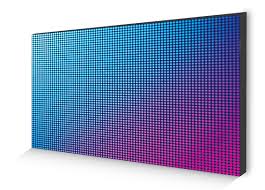
A key element influencing adoption of open frame displays is their modularity and ease of customization. Manufacturers can tailor the display specifications—including brightness levels, surface treatments such as anti-glare coatings, and interface options (HDMI, VGA, DVI, DisplayPort)—to match specific project demands. This flexibility is invaluable for sectors such as healthcare, where diagnostic devices require crisp, high-resolution displays with multi-touch capability and compliance with regulations like IEC 60601-1 for medical electrical equipment.
Case studies highlight the effectiveness of open frame displays in self-service kiosks widely used in airports and retail environments. Their slim profile and robust design ensure durability while maintaining aesthetic appeal. Additionally, in industrial automation, open frame displays provide real-time monitoring interfaces that enhance productivity and operator ergonomics, contributing to improved workflow and reduced downtimes.
Industry experts frequently underscore that the key to maximizing open frame display performance lies in balancing pixel density, brightness, power consumption, and thermal management. According to the International Electrotechnical Commission (IEC) standards, optimal LED backlighting ensures uniform luminance distribution with a typical brightness range between 450 to 1500 nits, making these displays effective even in brightly lit indoor environments.
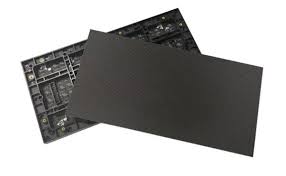
Maintenance and repair are also simplified due to the accessible design of open frame displays, allowing for quick component swaps without dismantling entire assemblies. This aspect of maintainability directly translates into lower total cost of ownership (TCO) and increased operational uptime—a critical metric in commercial and industrial deployments.
Looking ahead, advancements such as integration with OLED technology and capacitive multi-touch panels further expand the functionality of open frame displays. Enhanced connectivity options including USB-C, Ethernet, and wireless interfaces facilitate their incorporation into the Internet of Things (IoT) ecosystems, enabling smarter, connected interactions.
In conclusion, open frame displays represent a confluence of engineering ingenuity and practical design that addresses the diverse needs of modern display applications. Their adaptability, ruggedness, and superior visual performance make them a preferred choice for engineers and designers seeking efficient, customizable display solutions across industries.













