

Advanced Technologies and Best Practices for Staging Digital Displays in Event Production
In contemporary event production, staging digital displays have become indispensable tools for enhancing visual communication, branding, and audience engagement. As a professional LED display engineer, drawing upon extensive industry experience and technical standards, this article explores the advanced technologies and best practices underpinning staging digital displays, ensuring optimal performance and reliability.
Staging digital displays encompass a variety of LED and LCD screens designed for dynamic content presentation. These displays are extensively used in concerts, conferences, exhibitions, and live broadcasts where vibrant visuals and seamless integration are paramount. The adoption of high-resolution LED panels with pixel pitches ranging from 1.2mm to 4mm enables crystal-clear imagery, even at close viewing distances—a critical parameter in staging environments where audience proximity varies widely (Source: International Electrotechnical Commission IEC 62087).
Effective staging requires understanding key technical parameters such as brightness, contrast ratio, refresh rate, and viewing angle. LED displays typically offer brightness levels between 1,200 to 6,000 nits, providing sufficient luminance for both indoor and outdoor venues. Higher brightness ensures visibility under variable lighting conditions, including direct sunlight during outdoor stages. Contrast ratios exceeding 3,000:1 afford deep blacks and vivid color reproduction, enhancing picture quality vital for immersive audience experiences.
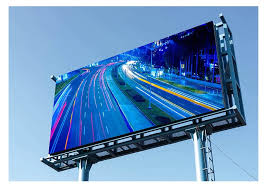
Refresh rates of 3,840 Hz or higher are recommended for staging digital displays to eliminate flicker, especially critical during high-definition video captures and live streaming. A wide viewing angle, commonly 140° horizontal and vertical, ensures consistent image quality for audiences scattered across large venues, mitigating color shifts and brightness loss at oblique angles.
Integration and synchronization of multiple LED modules demand precision. Modular design with steel and aluminum chassis facilitates rapid assembly, maintenance, and scalability. Signal processing should support HDBaseT or fiber optic transmission standards, minimizing latency and data loss. Moreover, seamless video wall controllers enable real-time content rendering and multi-source mixing, adaptable for live events with complex visual requirements.
Environmental durability and safety certifications are equally crucial. Stage displays are often exposed to rigorous load conditions and varying weather. Compliance with IP65 ingress protection standards guarantees resistance to dust and water, prolonging service life. Additionally, adherence to CE, FCC, and RoHS certifications ensures electrical safety, electromagnetic compatibility, and environmental compliance.
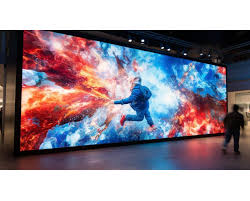
Case studies underscore the importance of tailored solutions. For instance, the deployment of a 500-square-meter 2.5mm pixel pitch LED wall at a multinational product launch exemplified superior color calibration using 3D color mapping techniques. This approach enhanced the fidelity of corporate branding visuals under diverse lighting setups, confirming that precise calibration protocols elevate event impact and audience retention.
Best practices further emphasize the necessity of routine maintenance, including pixel integrity checks, cleaning with non-abrasive agents, and firmware updates to optimize controller performance. Engineers must also prioritize heat dissipation through integrated cooling mechanisms to prevent thermal-related failures during extended use.
Looking ahead, emerging innovations such as MicroLED technology promise higher brightness, lower power consumption, and even thinner form factors, poised to revolutionize staging digital displays. Furthermore, integration with augmented reality (AR) and interactive content delivery platforms fosters novel audience engagement paradigms.
In summary, staging digital displays demand a meticulous balance of advanced hardware specifications, standardized operations, and adaptive content management to achieve outstanding event production outcomes. Leveraging industry standards like IEC 62087 and certifications such as IP65 propels reliability, while embracing cutting-edge technologies drives future-ready solutions. Professionals in the field must maintain a comprehensive understanding of these elements, ensuring that every staged event stands out through compelling, high-quality digital display experiences.













