

LED Taxi Technology Revolutionizing Urban Transportation
In recent years, the integration of LED display technology within the urban taxi industry has ushered in a transformative era, enhancing communication, passenger engagement, and operational efficiency. LED taxis, equipped with high-definition LED panels both inside and outside the vehicle, are becoming increasingly prevalent in metropolitan areas worldwide. As an experienced LED display engineer with extensive expertise in LED and LCD screen manufacturing, this article explores the technical specifics, benefits, and industry implications of LED taxi implementations.
Technical Specifications and Industry Standards
Modern LED taxi displays typically utilize fine-pitch, high-brightness LED modules designed for optimal visibility under varied lighting conditions. Among leading models, pixel pitches range from 1.5mm to 3mm, providing crisp imagery and readable typography even at a typical taxi cruising speed of 30-50 km/h. These modules comply with international standards such as IEC 62471 for photobiological safety and IEC 60598 for lighting devices, ensuring both passenger safety and minimal disruption to drivers.
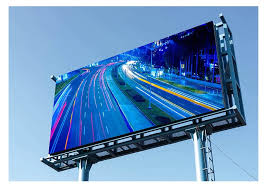
High dynamic range (HDR) capabilities and automatic brightness adjustment based on ambient light sensors guarantee visibility in direct sunlight while preventing glare during night operations. Connectivity options often include 4G/5G modules and Wi-Fi for real-time content updates and GPS-based advertising targeting. Robust weatherproof ratings, typically IP65 or higher, safeguard the electronic components against dust, moisture, and temperature variations, vital for urban deployment.

Advantages of LED Taxis
1. Dynamic Passenger Information Systems: Interior LED displays present route maps, estimated arrival times, and onboard safety messages with high clarity. Digital fares and customizable content personalize the passenger experience, promoting transparency and convenience.
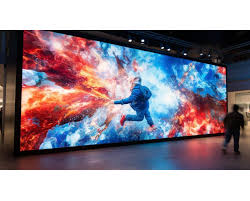
2. Targeted Advertising and Revenue Generation: Exterior LED panels serve as mobile billboards offering location-based advertising. According to a 2023 study by the Outdoor Media Association (OMA), LED taxi advertising campaigns saw a 30% higher engagement rate compared to traditional static posters, contributing significantly to municipal revenues.
3. Improved Safety and Navigation: LED screens can display traffic alerts and real-time navigation cues, aiding drivers in congested city environments. This reduces delays and potential accidents, aligning with the Intelligent Transportation Systems (ITS) guidelines advocating for integrated digital interfaces in public vehicles.
Case Studies
In Singapore, the Land Transport Authority (LTA) collaborated with local technology providers to deploy LED taxis equipped with real-time service alerts and advertising platforms. Their pilot program demonstrated a 15% increase in passenger satisfaction ratings within six months.
Similarly, New York City’s Metropolitan Transportation Authority (MTA) implemented LED taxis featuring high-resolution displays to promote public health campaigns and transit updates, achieving widespread visibility and positive public response.
Challenges and Future Directions
Despite the advantages, challenges persist regarding energy consumption and system maintenance. Engineers are advancing power-efficient LED driver ICs and employing modular designs for facile repair and upgrades. Integration of AI algorithms for dynamic content personalization and predictive maintenance is an emerging trend, promising further efficiency and user-centric customization.
Moreover, regulatory frameworks concerning urban light pollution and digital advertising content are evolving. LED taxi manufacturers and operators must proactively adhere to city ordinances and cooperate with stakeholders to ensure sustainable and responsible deployments.
Conclusion
The advent of LED taxi technology exemplifies the intelligent fusion of LED display innovation with urban transportation infrastructure. By elevating passenger experience, fostering new advertising opportunities, and enhancing safety, LED taxis represent a significant stride toward smarter cities. Continual advancements in LED module design, connectivity, and AI integration will cement their role as indispensable components in the future of metropolitan transit systems.













