

Comprehensive Guide to LED Display Screen Manufacturing: Technology, Standards, and Industry Insights
In the rapidly evolving world of digital signage and visual display solutions, LED display screens have become paramount for delivering vibrant, dynamic content across various sectors such as advertising, sports, entertainment, and transportation. This comprehensive guide delves into the intricate process of LED display screen manufacturing, exploring technical parameters, industry standards, and practical considerations to equip professionals and enthusiasts with authoritative knowledge grounded in industry expertise.
Overview of LED Display Technology
LED (Light Emitting Diode) displays function by manipulating microscopic LEDs spread evenly across the screen to emit light and color. Unlike traditional LCDs, LED displays offer significant advantages in brightness, contrast ratio, and viewing angles, making them suitable for both indoor and outdoor applications.
The core components of an LED display include:
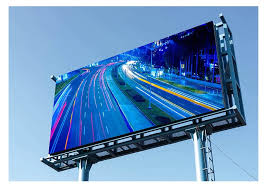
- LED Chips: The red, green, and blue diodes that combine to form full-color pixels. The quality and consistency of these chips greatly impact the display’s color accuracy and longevity.
- PCB (Printed Circuit Board): The substrate hosting LED chips and electronic components, providing power and data signal paths.
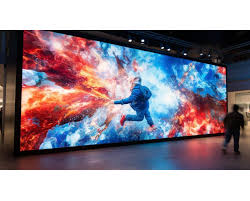
- Driving ICs: These integrated circuits manage the current and timing for each LED character, affecting refresh rates and power efficiency.
- Cabinet/Module Frames: Protective enclosures that house the LED modules, providing mechanical stability and ease of installation.
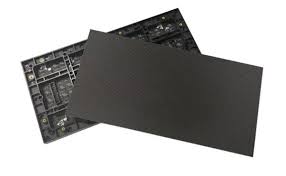
Types of LED Displays
Depending on pixel pitch (the distance between the centers of two adjacent LEDs), LED displays typically fall into several categories:
- Indoor LED Displays: With pixel pitches ranging from P0.9 mm to P4 mm, these are designed for close-view or conference room applications. They prioritize high resolution and color fidelity.
- Outdoor LED Displays: Pixel pitches are usually between P4 mm and P20 mm, optimized for high brightness (up to 8,000 nits or higher) to counter sunlight glare and weather resistance (IP65 or higher rating).
- Transparent LED Displays: Innovative displays integrating LEDs with glass panels allow for see-through installations suitable for storefronts and architectural facades.
- Flexible and Curved LED Panels: Crafted with bendable substrates to create eye-catching shapes in exhibitions and artistic displays.
Key Technical Parameters
1. Pixel Pitch: Determines resolution; smaller pitch equals higher definition but higher cost. For example, a 1920x1080 Full HD LED screen at P1.5 pitch requires more LEDs than at P4.
2. Brightness (Nits): Measurement of luminous intensity. Indoor displays generally require 800-1200 nits, whereas outdoor displays often exceed 6000 nits.
3. Refresh Rate: Expressed in Hz, a higher refresh rate (≥1920Hz) minimizes flicker and improves video quality, especially important for broadcast.
4. Color Depth: Measured in bits per color, 16-bit per channel (48-bit total) enables smoother gradients and vivid colors.
5. Viewing Angle: Ideal wide angles (≥160° horizontal and vertical) ensure consistent visual quality from different perspectives.
6. Contrast Ratio: Higher contrast enhances image depth; modern LEDs can achieve ratios exceeding 3000:1.
Manufacturing Process: From Design to Final Product
The LED display manufacturing process comprises multiple stages, each pivotal to the final product's quality and reliability:
- Design & Prototyping: Engineers employ CAD (Computer-Aided Design) software to design PCB layouts and mechanical structures tailored to intended applications, referencing standards like IEC 62368-1 for safety.
- Component Sourcing: Quality LED chips from reputable manufacturers (e.g., Nichia, Cree) and high-grade PCBs (FR4 or aluminum-based for heat dissipation) are procured.
- Surface Mount Technology (SMT) Assembly: Using precision pick-and-place machines, LEDs and ICs are mounted onto the PCB with accuracy.
- Soldering & Reflow: Controlled heating creates robust electrical connections without damaging components.
- Module Testing: Each module undergoes rigorous testing for dead pixels, color uniformity, brightness levels, and response times.
- Cabinet Assembly: Modules are integrated into steel or aluminum frames incorporating heat sinks and weather protection elements for outdoor units.
- Calibration & Software Integration: Advanced calibration aligns color and brightness across the entire screen, using software such as LightTools or custom proprietary systems.
- Quality Assurance: Final products are subjected to standardized tests, including vibration, humidity, and impact resistance per MIL-STD-810G or IEC 60529 (IP rating).
- Packaging & Shipping: Protective packaging ensures damage-free transport to installation sites worldwide.
Regulatory and Industry Standards
LED display manufacturers must adhere to international standards to ensure safety, performance, and interoperability:
- IEC 60950-1 / IEC 62368-1: Safety standards for electronic equipment.
- RoHS and REACH: Environmental compliance restricting hazardous substances.
- IP RatingIngress Protection): Defines protection level from dust and water; outdoor displays must meet at least IP65.
- EMC (Electromagnetic Compatibility): Ensures the display does not emit or is susceptible to electromagnetic interference.
Case Studies and Applications
1. Sports Stadiums: Often feature massive LED displays with pixel pitches of P10 mm or larger to ensure visibility from afar. Brightness levels exceeding 7000 nits maintain clarity in direct sunlight. For example, the FIFA World Cup integrates dynamic LED screens with ultra-high refresh rates to enable real-time video broadcasting.
2. Retail Signage: Indoor displays with ultra-fine pitch (P0.9-P2 mm) enable content such as HD video adverts or interactive directories. Companies like Samsung and LG dominate in this premium segment with their advanced Micro-LED technology.
3. Transportation Hubs: Airports and train stations deploy durable and weather-resistant LED signage for route information that comply with IP65+ ratings and operate efficiently across varying temperatures.
Challenges and Future Trends
Manufacturing LED displays presents challenges such as thermal management, power efficiency, and color calibration consistency. Emerging technologies aim to address these through innovations like Mini LED and Micro LED technologies, which promise higher resolution, slim form factors, and lower energy consumption. Additionally, integrating AI and IoT enables smart content management and predictive maintenance, reducing downtime and operational costs.
Conclusion
LED display screen manufacturing is a complex interplay of high-precision engineering, stringent quality controls, and compliance with international standards. Mastery over technical parameters such as pixel pitch, brightness, and refresh rates alongside adherence to regulatory requirements underpins the success of LED display products across diverse industries.
By understanding the manufacturing workflow and the technological nuances involved, manufacturers and end-users can better navigate this dynamic market, ensuring deployment of visually striking, durable, and energy-efficient LED display solutions tailored to modern digital communication needs.
References
- International Electrotechnical Commission (IEC) Standards, www.iec.ch
- Society for Information Display (SID), Journal of the Society for Information Display
- Nichia Corporation Technical Datasheets
- Cree LED Technical Overview
- MIL-STD-810G, Test Method Standard for Equipment
- RoHS Directive (2011/65/EU)
- Barco. (2021). LED Display Technology White Paper.













