

Display Bar Technology and Applications in Modern LED Screens
The display bar, also commonly referred to as a status bar or information bar, has become an integral component in modern LED screen technology. Originating from simple indicator panels, these bars now provide dynamic visual cues, user information, and critical status alerts across various industrial, commercial, and consumer electronics applications. This article provides an in-depth overview of display bar technologies, key technical parameters, typical applications, and current industry trends, based on professional engineering experience and the latest standards.
From a technical standpoint, display bars are often realized using LED or LCD segments arranged in linear or rectangular formats. The primary technical parameters that influence design and performance include resolution, luminance, contrast ratio, refresh rate, power consumption, and viewing angle.
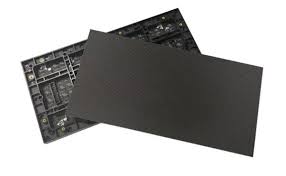
Technical Parameters
1. Resolution and Pixel Pitch
For LED display bars, the pixel pitch (distance between LED cluster centers) directly affects the resolution and clarity of the displayed information. Typical pixel pitches range from 0.5 mm for ultra-fine pitch bars used in control rooms, up to 3 mm or more for outdoor or large-scale installations. High-resolution bars with pixel pitch below 1 mm enable sharp text and graphical indicators, critical for user interfaces needing rapid legibility.
2. Luminance and Contrast Ratio
The luminance level, measured in nits (cd/m²), determines the brightness of the display bar. Indoor application bars usually operate at 300-600 nits, while outdoor bars reach 2,000 nits or higher to combat ambient sunlight. Contrast ratio, defined as the luminance ratio between the brightest white and darkest black the bar can display, impacts visibility under various lighting conditions. High contrast ratios (typically above 3000:1 for LCDs) enhance readability and reduce eye fatigue.
3. Refresh Rate and Response Time
Industrial display bars demand high refresh rates (60 Hz or higher) to ensure flicker-free readability, especially when integrated with video or sensor data streams. Fast response times (in milliseconds) are necessary to update status indicators in real-time, which is crucial for safety-critical environments.
4. Viewing Angle
A wide viewing angle ensures that information displayed on the bar is legible from multiple positions. Modern display bars often support viewing angles of 160° horizontally and 140° vertically, thanks to advancements in LED diffuser technology and IPS (In-Plane Switching) LCD panels.
Applications of Display Bars
Display bars serve vital roles across various sectors:
- Industrial Control Panels: Display bars show system statuses such as temperature, pressure, or fault codes in manufacturing plants, enabling operators to monitor conditions instantly.
- Public Information Displays: Adding scrolling or static display bars on public transport or event venues provides visitors with real-time updates and directions.
- Consumer Electronics: Smart home devices and wearables utilize compact LED bars for notifications and battery status indicators.
- Medical Equipment: Ensuring quick and precise vital parameter readings, display bars in diagnostic devices improve usability and patient care.
- Retail Digital Signage: Commercial stores integrate LED bars to show promotions, prices, and stock levels, enhancing customer engagement.
Industry Standards and Best Practices
Adhering to standards such as the IEC 62368-1 for safety and the ANSI/NEMA standards for luminance and contrast enhances product reliability and safety. Additionally, compliance with RoHS directives ensures environmentally responsible manufacturing.
From a manufacturing perspective, selecting high-quality SMD (Surface-Mounted Device) LEDs with consistent color temperature and brightness levels ensures uniformity across the display bar. Proper thermal management through heat sinks and PCB design prolongs lifespan and ensures stable performance.
Future Trends
Emerging technologies like microLEDs and flexible OLED display bars promise even slimmer profiles, higher brightness, and improved flexibility, broadening the design possibilities. Integration with IoT frameworks will enable remote monitoring and adaptive content display, driven by artificial intelligence for context-aware notifications.
In summary, display bars are a pivotal technology providing high-visibility, reliable status information across many industries. Understanding and optimizing technical parameters like resolution, luminance, response time, and viewing angle ensures that these display bars meet the demanding requirements of modern electronic systems.













