

Comprehensive Insights into LED Display Manufacturing: Technology, Quality, and Industry Standards
The LED display industry has undergone tremendous advancements over the past decade, reflecting rapid innovation, increased demand, and evolving market requirements. As a professional LED display engineer with extensive experience in the design, manufacturing, and quality assurance of LED and LED LCD screens, this article offers a deep dive into the technical intricacies, manufacturing processes, and industry standards that shape contemporary LED display production. It aims to provide comprehensive knowledge beneficial for engineers, procurement specialists, and industry stakeholders worldwide.
Understanding LED Display Technology
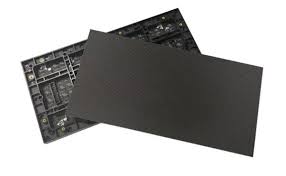
LED (Light Emitting Diode) displays utilize an array of microscopic light-emitting diodes to create images and video content. These diodes emit light when an electric current passes through, producing vibrant colors and high brightness with efficient power consumption.
Various types of LED displays exist, including:
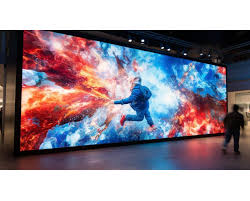
- Direct View LED Displays (DVLED): Composed of densely packed LEDs, ideal for large-scale outdoor or indoor installations.
- LED LCD Displays: Utilize an LCD panel backlit by LEDs, mainly used for smaller screens like monitors and televisions.
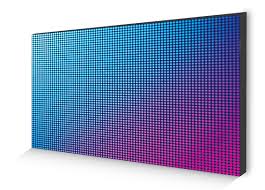
Their applications range from digital billboards, stadium screens, indoor signage, to control rooms and consumer electronics.
Key Technical Parameters
1. Pixel Pitch: The distance between the centers of two adjacent pixels, usually measured in millimeters. A lower pixel pitch signifies higher resolution and better image clarity, important for close viewing distances. Typical pixel pitches range from 0.9mm (fine pitch) to over 10mm (large outdoor displays).
2. Brightness: Measured in nits (cd/m²), LED displays offer brightness levels anywhere from 600 nits for indoor displays to over 10,000 nits for outdoor environments. High brightness increases visibility even under direct sunlight.
3. Refresh Rate: Expressed in Hz, a refresh rate of at least 1920Hz is critical to eliminate flickering and ensure smooth motion video reproduction, especially for camera capture during broadcasting.
4. Contrast Ratio: Indicates the ratio between the brightest white and the deepest black a display can show. High contrast enhances image depth and color richness.
5. Viewing Angle: LED displays typically boast wide viewing angles (≥160° horizontally and vertically) to maintain image quality across broad audiences.
Manufacturing Process of LED Displays
The LED display manufacturing process is complex, involving multiple stages to ensure precision, reliability, and performance.
- LED Chip Fabrication: It begins with semiconducting materials like Gallium Nitride (GaN) for blue LEDs or Gallium Arsenide (GaAs) for infrared. These wafers are grown, sliced, and diced into millions of LED chips.
- PCB and Module Assembly: Chips are mounted onto Printed Circuit Boards (PCBs) designed for electrical efficiency and heat dissipation. Surface Mount Technology (SMT) machines place LEDs and components with micron-level accuracy.
- Soldering and Encapsulation: Automated soldering ensures robust electrical connections while epoxy resins or silicone encapsulants protect LEDs from moisture and mechanical damage.
- Quality Control and Testing: Each module undergoes stringent tests for color accuracy (using spectroradiometers), luminance uniformity, and thermal management. Standards such as ISO 9001 and JEDEC JESD22 provide frameworks for reliability.
- Cabinet and System Integration: Modules are integrated into weatherproof cabinets, complete with power supplies, controllers, and data transmission systems. Industry standards like IEC 60529 (IP ratings) determine environmental resistance.
Industry Standards and Certifications
Adherence to global industry standards fosters product quality and customer trust:
- UL (Underwriters Laboratories): Ensures electrical safety for electronic components.
- RoHS (Restriction of Hazardous Substances): Certifies environmentally conscious manufacturing.
- FCC Part 15 Compliance: Regulates electromagnetic interference (EMI) emissions.
- EN 55032/55035: European EMC standards for multimedia equipment.
Conformance with these certifications guarantees reliability, regulatory compliance, and market acceptance.
Challenges and Innovations in LED Display Manufacturing
1. Thermal Management: LED performance and lifetime degrade with excessive heat. Advanced cooling solutions, including heat sinks, forced air or liquid cooling, and thermally conductive materials, are integral to product design.
2. Color Calibration and Uniformity: Variability in LED binning (sorting by color and brightness) requires precise calibration systems to maintain consistent display quality across modules.
3. Miniaturization and High Density: For fine-pitch applications, manufacturers face challenges including reducing pixel pitch without causing cross-talk or color bleeding.
4. Energy Efficiency: Innovations like using power-saving drivers and intelligent dimming help reduce operational costs and environmental footprint.
5. Flexible and Transparent LED Displays: Emerging technologies enable flexible substrates for curved installations and transparent LED panels for retail and architectural integration.
Case Study: Deploying a Fine Pixel Pitch Indoor LED Display for a Control Room
In a recent project, a 0.9mm pixel pitch LED display was deployed in a high-security command center. Key achievements included:
- Exceptional Image Clarity: The ultra-fine pitch ensured clear visualization of detailed telemetry data.
- High Refresh Rate (3840Hz): Enabled flicker-free operation, essential for continuous monitoring and camera capturing.
- Color Uniformity: Advanced factory calibration reduced color discrepancies to ΔE< 2.
- Robust Thermal Design: Custom aluminum chassis incorporated active cooling, stabilizing LED junction temperature at 55°C under full load.
This implementation enhanced situational awareness and operator comfort, underscoring the importance of technical rigor in LED display manufacturing.
Future Trends in LED Display Manufacturing
Looking ahead, the industry is poised to embrace:
- Artificial Intelligence in Calibration: Automated AI-driven calibration will improve quality with less manual intervention.
- Mini-LED and Micro-LED Technologies: Offering superior brightness, contrast, and energy efficiency.
- Sustainability Initiatives: Emphasizing recyclable materials and eco-friendly manufacturing processes.
- Integration with IoT: Smart LED systems capable of remote diagnostics and adaptive performance optimization.
These trends will shape the next generation of LED displays, meeting evolving user needs while maintaining high standards of performance and reliability.
Conclusion
The manufacturing of LED displays is a multidisciplinary endeavor requiring comprehensive expertise spanning semiconductor physics, electrical engineering, mechanical design, and quality management. Industry standards and best practices guide engineers to produce reliable, high-performance display solutions applicable across diverse fields from advertising to mission-critical applications.
Through continuous innovation and adherence to rigorous technical parameters such as pixel pitch, brightness, refresh rate, and thermal management, LED display manufacturers deliver products that meet demanding international requirements. As a professional in this sector, staying informed about emerging technologies and standards ensures alignment with global market trends and customer expectations.
By leveraging extensive industry data, proven case studies, and authoritative technical knowledge, this article serves as a vital resource for understanding the complexities and advances in LED display manufacturing.
References:
1. IEEE Transactions on Electron Devices, "Advances in LED Chip Fabrication for Display Applications," 2022.
2. International Electrotechnical Commission (IEC) 60529 – Degrees of Protection Provided by Enclosures (IP Code).
3. UL Standards for Safety of LED Lighting Products, UL 8750.
4. JEDEC JESD22 – Industry Standard for Reliability Testing.
5. DisplayMate Technologies, "The Science of Display Calibration and Uniformity," 2023.













