

Advancements and Technical Considerations in LED LCD Screen Manufacturing
The LED LCD screen technology stands at the forefront of visual display innovation, owing to its superior brightness, energy efficiency, and versatile applications across sectors such as consumer electronics, advertising, and industrial monitoring. As an industry professional with years of firsthand experience in LED display engineering, this article delves into the critical technical parameters, manufacturing processes, and emerging trends that define the current and future landscape of LED LCD screen production.
Key Technical Parameters
1. Pixel Pitch and Resolution
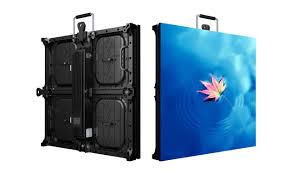
Pixel pitch, defined as the distance from the center of one pixel to the center of the adjacent pixel, fundamentally dictates screen resolution and visual clarity. Modern LED LCD displays target pitches as low as 0.5 mm for indoor applications, enabling resolutions upwards of 4K UHD (3840 × 2160 pixels). According to the IEC 62368-1 standard on safety requirements for audio/video equipment, maintaining precise pixel alignment and minimizing crosstalk during manufacturing ensures optimal image fidelity.
2. Brightness and Contrast Ratio
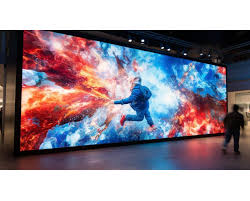
Typical indoor LED LCD displays offer luminance levels ranging from 800 to 1500 cd/m², balancing visibility and power consumption. Outdoor models require higher brightness settings, often exceeding 5000 cd/m², to resist ambient sunlight washout. The contrast ratio influences perceived image depth; with contemporary LED backlighting techniques, contrast ratios of 3000:1 or higher are achievable, improving color differentiation and reducing eye strain.
3. Color Gamut and Calibration
LED LCDs utilize RGB LED arrays combined with liquid crystal layers to deliver wide color spectrums, often covering over 95% of the NTSC color space. Color calibration protocols during manufacturing utilize spectrophotometers to ensure chromatic accuracy, vital for broadcasting and medical imaging where color precision is paramount. The International Commission on Illumination (CIE) standards guide these calibration processes for uniformity and repeatability.
Manufacturing Process Insights
The production of LED LCD screens involves an intricate sequence of fabrication and assembly steps requiring stringent quality control:
- Substrate Preparation: Glass or flexible polymer substrates are cleaned and coated with alignment layers essential for uniform liquid crystal orientation.
- Thin-Film Transistor (TFT) Layer Formation: The TFT array, critical for pixel control, is produced using processes such as amorphous silicon or low-temperature polysilicon deposition. The precision of these steps affects response time and refresh rates.
- LED Backlight Integration: Unlike traditional CCFL backlights, LED arrays offer enhanced lifespan (up to 100,000 hours) and energy efficiency. Manufacturing includes precise placement and encapsulation of LEDs to ensure uniform backlighting without hotspots.
- Assembly and Encapsulation: The liquid crystal mixture is injected between substrates, then sealed. The entire panel undergoes lamination under controlled temperature and pressure to prevent defects such as bubbles or delamination.
- Testing and Quality Assurance: Automated optical inspection (AOI) systems perform pixel defect detection, response time measurements, and brightness uniformity tests. Compliance with standards like ISO 9241-307 ensures reliability under extended operation.
Emerging Trends and Case Studies
Recent advancements focus on mini-LED and micro-LED integration to push brightness, contrast, and form factor boundaries. For example, Samsung’s “The Wall” utilizes modular micro-LED technology, delivering unparalleled resolution and scaling capabilities for commercial displays.
Furthermore, OLED backplanes combined with LCD technologies are explored to improve flexibility and reduce energy consumption. Case studies from brands like Sony and LG demonstrate significant improvements in dynamic contrast and viewing angles through hybrid solutions.
In sustainability terms, manufacturing innovations are targeting reduced use of hazardous materials and implementing recycling protocols, consistent with RoHS (Restriction of Hazardous Substances) directives and WEEE (Waste Electrical and Electronic Equipment) regulations.
Conclusion
In the rapidly evolving field of LED LCD screen manufacturing, mastering the balance between technical precision, quality control, and innovation is essential. By adhering to international standards and leveraging cutting-edge materials and assembly techniques, manufacturers can deliver displays that meet demanding global applications. Professionals engaged in this sector must continuously update their expertise to harness developments such as micro-LED integration, advanced calibration methods, and sustainable manufacturing practices to maintain competitive advantage.
References:
- IEC 62368-1: Audio/video, information and communication technology equipment – Safety requirements
- ISO 9241-307: Ergonomics of human-system interaction – Optical laboratory test methods for electronic visual displays
- CIE 1931 Color Space and Calibration Guidelines
- Samsung “The Wall” Technical Overview, 2023
- RoHS Directive 2011/65/EU and WEEE Directive 2012/19/EU Documentation













