

Comprehensive Insights into LED LCD Screen Manufacturing: Applications, Advantages, Challenges, and Industry Trends
In the evolving landscape of display technology, LED LCD screens have emerged as a dominant solution across various sectors. Leveraging lessons learned from decades of display engineering, this article delves into the manufacturing nuances, practical applications, advantages, common issues, and cutting-edge trends of LED LCD technology to provide a robust understanding for professionals and stakeholders worldwide.
Understanding LED LCD Screen Manufacturing
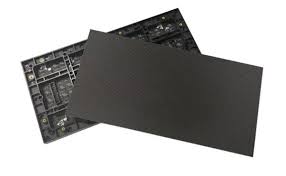
LED LCD (Light Emitting Diode Liquid Crystal Display) technology integrates LED backlighting with traditional LCD panels to enhance brightness, contrast, and energy efficiency. Typically, manufacturing involves assembling LCD panels with LED backlight units (BLUs), which can be configured as edge-lit or direct-lit systems.
From an industry-standard perspective, the manufacturing process must comply with guidelines such as the International Electrotechnical Commission’s IEC 62368-1 for safety, and the ISO 9241 for ergonomic design, ensuring product durability and user comfort.
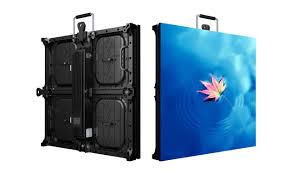
Critical technical parameters include:
- Resolution: From Full HD (1920×1080) to 8K (7680×4320), addressing the demand for ultra-high definition content.
- Brightness: Typically ranges from 250 cd/m² in consumer-grade displays to over 1000 cd/m² in professional HDR monitors.
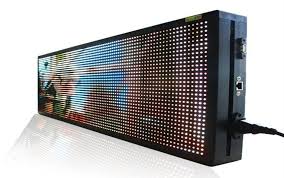
- Contrast Ratio: Commonly between 1000:1 to 5000:1 depending on panel quality and backlight mode.
- Color Gamut: Coverage of sRGB up to DCI-P3 for professional color grading applications.
- Refresh Rate: From standard 60Hz to 360Hz catering to gaming and VR applications.
Practical Applications
LED LCD screens have transformed multiple sectors:
1. Consumer Electronics: Smartphones, laptops, and televisions benefit from thin form factors and energy efficiency due to LED backlighting.
2. Commercial Displays: Digital signage in retail, transportation, and hospitality uses outdoor-rated LED LCD panels for high visibility and durability.
3. Medical Imaging: High-precision LED LCD monitors with wide color gamuts and high contrast enable accurate diagnostics.
4. Industrial Controls: Toughened LED LCD displays with enhanced vibration resistance and anti-reflective coatings serve in harsh environments.
5. Broadcast and Cinematography: Professional monitors utilizing LED LCD technology ensure accurate color reproduction vital for post-production.
Advantages of LED LCD Technology
Compared with traditional CCFL-lit LCDs and pure OLED panels, LED LCD screens offer a set of significant advantages:
- Energy Efficiency: LED backlighting consumes roughly 40% less power than CCFL counterparts, integral for portable and large-format displays.
- Design Slimness: Thin LED arrays facilitate ultra-slim screens, improving aesthetics and integration in tight spaces.
- Improved Brightness and Contrast: Narrow spectral widths and local dimming enable higher dynamic ranges, essential for HDR content.
- Longevity and Reliability: LEDs typically exhibit longer service life (~50,000 hours) with minimal degradation.
- Environmental Safety: LED backlights do not contain mercury, unlike CCFL, enhancing recyclability and compliance with RoHS standards.
Common Challenges
Despite advantages, LED LCD manufacturing encounters several technical and operational challenges:
- Uniformity Issues: Edge-lit LED backlights may cause brightness inconsistencies; advanced diffuser layers and multi-zone local dimming address this.
- Heat Management: LED arrays generate heat that can affect LCD panel longevity; efficient thermal designs using heat sinks and conduction materials are critical.
- Color Shifts: Off-axis viewing can lead to color distortions; IPS (In-Plane Switching) technology mitigates angular color shift.
- Cost Constraints: High-quality LED modules with advanced features increase production costs, impacting the price-sensitive consumer market.
- Blue Light Emission: Extended exposure to LED blue light raises health concerns; manufacturers incorporate blue-light reduction technologies and certifications like TÜV Rheinland for eye comfort.
Latest Trends and Innovations
The LED LCD industry is actively evolving, embracing innovations that propel performance and user experience:
- Mini-LED and Micro-LED Backlighting: These technologies segment the backlight into thousands of tiny LEDs, creating unprecedented local dimming and contrast ratios surpassing traditional LED LCDs.
- Quantum Dot Enhancement Films (QDEF): Integrating quantum dots enhances color accuracy and gamut, approaching Rec.2020 standards necessary for 4K/8K HDR content.
- Flexible and Transparent LED LCDs: Emerging applications in automotive HUDs and wearable devices leverage flexible substrates combined with LED backlighting.
- AI-Assisted Display Calibration: Machine learning algorithms enable real-time adjustment of brightness, contrast, and color profiles based on ambient conditions and content.
- Sustainability Focus: Energy-efficient components, recyclable materials, and conforming to ENERGY STAR and EPEAT certifications are increasingly prioritized.
Conclusion
The LED LCD display market stands at a pivotal juncture, balancing proven technological advantages with emerging innovations. Manufacturers and engineers must navigate the complex interplay of performance parameters, cost constraints, and user expectations. By adhering to international standards and investing in evolving technologies like Mini-LED and quantum dot films, the industry is well-positioned to meet the demands of next-generation displays.
For professionals involved in LED LCD screen manufacturing or application deployment, a comprehensive understanding of technical specifications, practical applications, and industry trends is essential for delivering products that excel in performance, reliability, and environmental compliance.
References
- International Electrotechnical Commission (IEC) 62368-1: Audio/video, information and communication technology equipment – Safety requirements.
- ISO 9241: Ergonomics of human-system interaction standards.
- DisplayMate Technologies: “The Display Technologies White Paper,” 2023.
- Society for Information Display (SID) Proceedings, latest LED LCD advances, 2024.
- TÜV Rheinland: Blue Light Certification Program.













