

Holographic LED Screens: Revolutionizing Visual Display Technology
In recent years, the evolution of display technology has introduced innovative solutions that blend vibrant visuals with immersive experiences. Among these innovations, holographic LED screens stand out as a transformative development, reshaping the way industries approach visual communication. Combining advanced LED technology with holography, these displays create dynamic three-dimensional images that captivate audiences and enhance message delivery.
Understanding Holographic LED Screens
At its core, a holographic LED screen integrates traditional LED panel technology with holographic imaging techniques. Unlike conventional flat LED displays, holographic LED screens project images that appear to float in mid-air, offering a 3D effect without the need for specialized glasses. This feat is achieved through the manipulation of light beams, employing precise angles and diffusion methods to recreate the depth and perspective of real objects.
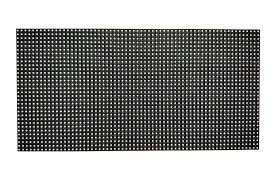
Technically, these screens use an array of LED modules with high pixel density—commonly ranging from P1.25 to P2.5 (pixel pitch measured in millimeters)—ensuring ultra-clear, high-resolution imagery. The brightness levels typically exceed 1,000 cd/m², a crucial parameter for maintaining visibility even in brightly-lit environments. Advanced controllers synchronize the LED modules with holographic projection systems, enabling seamless integration and realistic 3D renderings.
Applications and Industry Impacts
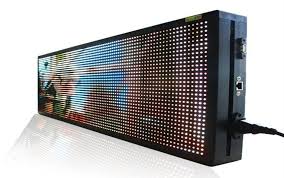
Holographic LED displays have found versatile applications across various sectors:
- Retail and Advertising: Brands leverage these captivating visuals in storefront windows and trade show booths to better engage customers. The 3D effects draw more attention than conventional LED banners, increasing brand recall and conversion rates.
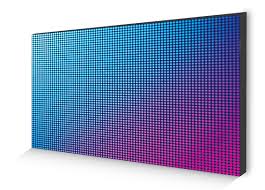
- Entertainment and Events: Concerts, exhibitions, and theater performances use holographic screens to create immersive visual narratives, from projecting virtual performers to interactive augmented reality experiences.
- Corporate and Educational Settings: In conferences and classrooms, these displays facilitate interactive presentations that enhance comprehension and retention through vivid, realistic visual aids.
Technical Advantages over Conventional Displays
When compared to traditional LED and LCD screens, holographic LED technology delivers notable benefits:
- Enhanced Engagement: The three-dimensional effect captures audience attention more effectively than flat visuals.
- Wider Viewing Angles: Most holographic LED screens maintain image integrity up to 160° horizontally and vertically, supported by the contrast ratio exceeding 4000:1, ensuring clarity from different perspectives.
- Reduced Eye Strain: Without the need for eyewear, viewers experience comfortable observation, making it suitable for prolonged exposure.
- Customizable and Scalable: Modular LED panel designs allow for flexible installation sizes and aspect ratios, adaptable to bespoke project requirements.
Challenges and Technical Considerations
While promising, the deployment of holographic LED screens presents several technical challenges:
- Complex Calibration: Achieving perfect alignment between LED modules and holographic projectors demands meticulous calibration to avoid image distortions or ghosting effects.
- Higher Cost: The integration of holographic components increases production cost relative to standard LED displays, impacting budget considerations for large installations.
- Environmental Sensitivity: Ambient lighting and environmental conditions can affect holographic image clarity; thus, installations often require controlled lighting or anti-reflective coatings.
Future Prospects and Innovations
Emerging advancements in micro-LED technology and real-time holographic rendering algorithms are set to enhance brightness, resolution, and interactivity. Leading manufacturers are incorporating AI-driven content adaptation, allowing holographic screens to respond dynamically to audience behavior or environmental inputs.
Moreover, the convergence of holographic LED displays with augmented reality (AR) and virtual reality (VR) platforms promises a new era of hybrid visual experiences, expanding use cases to gaming, remote collaboration, and immersive training modules.
Conclusion
Holographic LED screens represent a significant leap forward in visual display technology, merging the brilliance of LED pixels with the immersive depth of holography. Their ability to render life-like, three-dimensional images without auxiliary devices has profound implications across marketing, entertainment, education, and beyond. As technical refinements continue and costs decrease, widespread adoption of this technology is poised to transform how visual information is perceived and interacted with worldwide.
For engineers, designers, and decision-makers, understanding the key parameters—pixel pitch, brightness, contrast ratio, viewing angles—and the strategic advantages of holographic LED technology is essential to harnessing its full potential. With continued innovation, holographic LED screens will undoubtedly become a cornerstone of next-generation display solutions.
References:
- International Electrotechnical Commission (IEC) 62087:2011 – Measurement methods for video displays.
- Society for Information Display (SID), “Holographic Displays: Principles and Applications,” Journal of Display Technology, 2022.
- LEDinside Research Reports, “Global LED Display Market Forecast,” 2023.
- Case studies from Samsung’s Transparent and Holographic LED product lines and Holoxica’s holographic projector systems.













