

Advances and Best Practices in Conference LED Display Technology for Optimal Visual Communication
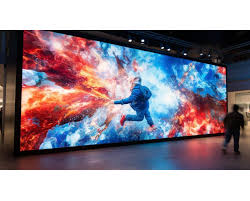
In the realm of modern audiovisual technology, conference LED displays have become an indispensable tool for effective communication and engagement. Their role in conferences, corporate meetings, and large-scale presentations is pivotal, ensuring that messages are conveyed with clarity, vibrance, and visual impact. Understanding the latest advancements, technical parameters, and best practices in LED display technology helps organizations optimize their investment and enhance audience experience.
Technical Excellence of Conference LED Screens
LED displays designed for conference environments typically utilize SMD (Surface-Mount Device) LED technology, which offers superior brightness, color accuracy, and durability. These displays employ pixel pitches ranging from 1.2mm to 3mm depending on the viewing distance and room size. For instance, a 1.5mm pixel pitch is ideal for close-up viewing scenarios often encountered in smaller conference rooms, ensuring pinpoint image sharpness. Larger venues benefit from slightly higher pixel pitches, such as 2.5mm to 3mm, balancing cost and visual fidelity.
The brightness of conference LED screens is critical. Indoor conference displays generally maintain luminance levels between 800 and 1,200 nits, which provides excellent visibility under controlled lighting conditions without causing eye strain. Contrast ratio, another essential parameter, governs the depth of blacks and the vibrancy of colors, with ratios exceeding 3,000:1 commonly seen in premium products to ensure clear picture rendering even in mixed lighting environments.
Integration and Control Systems
Modern conference LED display solutions incorporate advanced control systems enabling seamless integration with various input sources, such as laptops, video conferencing platforms, and digital signage networks. Connectivity options frequently include HDMI 2.0, DisplayPort, and wireless casting technologies, allowing multi-device compatibility. Additionally, sophisticated calibration software adjusts color uniformity and brightness levels, compensating for pixel discrepancies and ensuring uniform image quality across the entire panel.
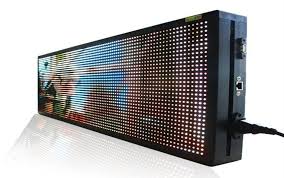
Control interfaces adopt user-friendly designs, often accessible via mobile apps or centralized control consoles. This accessibility allows technical operators to manage content in real time, switch input sources, and fine-tune display settings without interrupting the flow of a presentation.
Durability, Maintenance, and Energy Efficiency
Conference settings demand reliable, long-lasting LED displays capable of continuous operation. Proprietary heat dissipation systems and robust structural designs protect the screens from overheating and mechanical stress. Maintenance is streamlined through front-service modules, facilitating quick replacement of faulty LED units without dismantling the entire panel, minimizing downtime during events.
Energy consumption remains a significant concern in large-format display installations. Contemporary LED panels adopt energy-efficient drivers and low-power LED chips, which reduce operating costs and environmental impact. These energy savings align with industry trends toward sustainable technology deployment in corporate environments.
Industry Standards and Compliance
Compliance with international standards such as IEC 62471 for eye safety and RoHS (Restriction of Hazardous Substances) certifies that conference LED displays meet stringent regulatory requirements. Conformance to standards ensures user safety, environmental responsibility, and consistency in performance, which are crucial factors for procurement in multinational corporations and global event organizers.
Moreover, standards like Rec. 709 color space adherence guarantee that content displays with true-to-source color accuracy, which is particularly relevant in professional presentations where brand colors and visual integrity must be preserved.
Use Cases and Practical Applications
Leading technology providers have deployed cutting-edge conference LED displays in landmark corporate headquarters, international summit venues, and academic institutions. Such installations highlight the displays’ ability to enhance communication by providing interactive touch capabilities, multi-window display management, and ultra-high definition resolution supporting 4K content. The scalability of LED modules also allows bespoke configurations tailored to specific room dimensions and audience sizes.
In hybrid conference models, where physical and virtual attendees coexist, LED display technology supports immersive experiences through integrated cameras and microphones paired with real-time digital content display, bridging the gap between remote and in-person participants.
Conclusion
As conference LED displays continue to advance, their impact on visual communication within corporate and event settings becomes increasingly profound. With careful consideration of technical parameters such as pixel pitch, brightness, energy efficiency, and compliance with industry standards, organizations can deploy solutions that not only meet aesthetic and functional requirements but also offer durability and operational excellence. Embracing these technologies with a thorough understanding fosters engaging, memorable, and effective conference experiences worldwide.













