

Advanced LED Taxi Displays Enhancing Urban Transportation Communication
In recent years, the integration of LED taxi displays has revolutionized urban transportation by enhancing communication between taxi services and passengers. These advanced displays offer dynamic advertising, real-time information, and improved passenger safety, contributing substantially to the modernization of city fleets worldwide.
Technical Features and Parameters
Modern LED taxi displays leverage cutting-edge technologies to deliver vivid, high-visibility content even under direct sunlight. Typically, these displays utilize SMD (Surface-Mounted Device) LED technology with pixel pitches ranging from 2.5mm to 4mm, enabling bright, clear visuals that are easily readable from a distance. The resolution and refresh rate are calibrated according to industry standards, often featuring a 60Hz refresh rate to prevent flickering and ensure comfortable viewing.
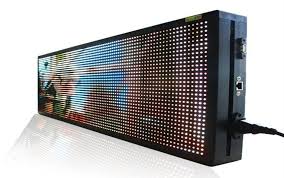
An essential specification is the brightness level, which for outdoor taxi displays usually ranges between 4,000 and 6,000 nits. This ensures visibility during daytime and adverse weather conditions, a factor crucial for both advertising efficacy and passenger communication. Additionally, these displays incorporate IP65 or higher waterproof and dustproof ratings to withstand harsh environmental conditions typical in urban settings.
Functionality and Integration
One of the primary advantages of LED taxi displays is their ability to provide real-time updates and advertising content managed via cloud-based platforms. Fleet operators and advertisers can control and schedule content remotely, optimizing marketing strategies and service announcements. For example, emergency alerts or route changes can instantly be displayed to passengers, enhancing safety and operational efficiency.
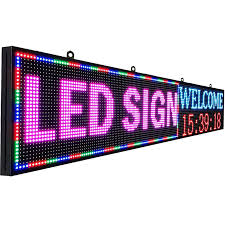
The displays often support multilingual text options and graphic animations, catering to diverse urban populations and boosting user engagement. Some advanced models integrate GPS and IoT sensors to present location-specific advertisements or notify drivers of traffic updates and ride requests, aligning with smart city initiatives.
Industry Standards and Compliance
Compliance with industry standards is paramount for ensuring reliability and safety. Most LED taxi displays conform to CE, FCC, and RoHS certifications, confirming electromagnetic compatibility and environmental friendliness. Additionally, strict adherence to SAE J1455 standards ensures mechanical and electrical robustness under vehicle vibration and temperature variations.
Manufacturers incorporate energy-efficient drivers with low power consumption to minimize the additional load on taxi electrical systems. This aspect is crucial to maintain vehicle performance and extends component lifespan, reducing maintenance costs significantly.
Case Studies and Market Applications
Cities such as New York, London, and Tokyo have adopted LED taxi displays extensively, observing notable improvements in passenger communication and advertising revenues. In a case study conducted by the International Association of Public Transport (UITP), taxis equipped with LED signage reported a 35% increase in advertising engagement rates compared to traditional static signs.
The adaptability of these displays also supports evolving transportation models, such as ride-sharing and electric taxis, by integrating app-based interfaces for passenger interaction and contactless payment notifications, enhancing the overall user experience.
Future Trends and Innovations
Looking forward, the integration of AI-driven content management systems promises personalized advertising tailored to passenger profiles, identified via anonymized data analysis. Moreover, the fusion of OLED technology and flexible LED panels could enable curved or uniquely shaped taxi displays, expanding creative possibilities for urban branding.
Sustainability remains a core focus, with manufacturers investigating recyclable materials and low-energy consumption modules to align with global environmental goals. Additionally, enhanced connectivity via 5G networks will facilitate faster content updates and interactive passenger services, further embedding LED taxi displays into smart city ecosystems.
Conclusion
The deployment of advanced LED taxi displays marks a significant leap in urban transportation communication. By combining high technical performance, regulatory compliance, and innovative functionalities, these displays not only transform taxis into mobile advertising platforms but also improve passenger information delivery and safety. As cities evolve, LED taxi displays will continue to play a pivotal role in shaping efficient, connected, and sustainable urban mobility solutions.













