

Small Pixel Pitch LED Display: Advancements, Applications, and Technical Insights
In the evolving landscape of digital display technology, small pixel pitch LED displays have emerged as a transformative solution, delivering unparalleled image clarity and vibrant color reproduction. These displays are revolutionizing industries by offering high-definition visuals in compact form factors, suitable for a multitude of indoor and outdoor applications.
Understanding Small Pixel Pitch LED Displays
Pixel pitch refers to the distance between the center of one LED pixel to the center of the adjacent pixel, typically measured in millimeters (mm). Smaller pixel pitches denote tighter pixel density, which results in higher resolution, sharper images, and finer detail rendering. Generally, small pixel pitch LED displays boast pixel pitches ranging from 0.5mm to 2.5mm, with ultra-fine categories even below 0.5mm, meeting the demand for near-retina display quality.
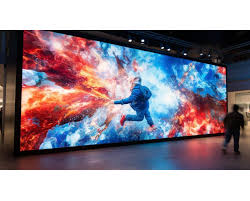
The technology primarily uses SMD (Surface-Mounted Device) LEDs, with tri-color chips (Red, Green, and Blue) integrated in a compact package. The tighter spacing challenges manufacturing processes, requiring high-precision pick-and-place machinery and strict quality control to minimize dead pixels and ensure uniform brightness and color consistency.
Technical Parameters and Standards
Key technical specifications for small pixel pitch LED displays include:
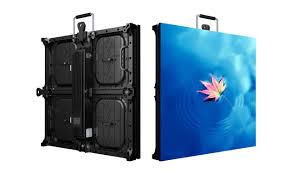
- Pixel Pitch: 0.5mm to 2.5mm
- Resolution: Depending on module size, can reach up to 4K UHD or higher
- Brightness: Typically ranges from 800 nits for indoor displays to over 1000 nits for semi-outdoor models
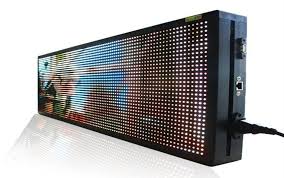
- Refresh Rate: ≥3840Hz to prevent flicker in high-speed filming scenarios
- Gray Scale and Color Depth: 14 to 16-bit grayscale for nuanced color representation
- Viewing Angle: ≥160° horizontal and vertical ensuring wide readability
- Contrast Ratio: ≥3000:1 for vivid image depth
The International Electrotechnical Commission (IEC) provides guidance on LED display brightness and energy consumption under IEC 62717. Compliance ensures durability and consistent performance.
Manufacturing Challenges and Solutions
Producing small pixel pitch LED displays involves overcoming physical and technical barriers. The key issues include heat dissipation, color calibration, and uniform luminous intensity. Effective thermal management often incorporates aluminum die-cast backplanes and advanced heat sinks, ensuring longevity and reliability.
Uniform color balance is achieved via precision binning and real-time calibration systems. Leading manufacturers utilize robotics and AI-enabled inspection for quality assurance during assembly, achieving a pixel failure rate of less than 0.0001%. Additionally, the use of COB (Chip on Board) technology is gaining traction, integrating LED chips directly onto the PCB to reduce size and improve pixel density further.
Applications Across Industries
Indoor Applications: Small pixel pitch LED displays are extensively utilized in control rooms, broadcast studios, corporate lobbies, retail environments, and museums. Their exceptional resolution allows for seamless content display, enabling detailed presentations and immersive experiences without requiring close viewing distances.
Broadcast and Media: High refresh rates and flicker-free imaging make these displays ideal for live broadcasting, where cameras capture the displays directly. They allow for dynamic and flexible content setups.
Medical and Scientific Visualization: In medical imaging and research, the fine pixel pitch supports visualization of intricate details, aiding diagnostics, and data analysis.
Event and Exhibition: Their lightweight and modular architecture allow for rapid deployment in concerts, conferences, and exhibitions, facilitating vivid and compelling visual storytelling.
Outdoor Deployments: Though primarily indoor, advancements have enabled small pixel pitch displays for semi-outdoor applications with higher brightness and robust IP ratings (IP54 to IP65), expanding use cases into arenas and public information systems.
Industry Trends and Future Outlook
The demand for ultra-HD, flexible LED displays is propelling innovation. MicroLED technology, promising higher energy efficiency and even smaller pixel pitches, is on the horizon. Meanwhile, investment in smarter calibration technologies and AI-driven maintenance predicts enhanced display lifespan and reduced operational costs.
Moreover, the integration of small pixel pitch LED displays with Internet of Things (IoT) frameworks allows for real-time monitoring and content updates, enhancing management efficiency.
Conclusion
Small pixel pitch LED displays represent a pinnacle in display technology, merging cutting-edge engineering with versatile applications. Their capacity to produce high resolution, superior color accuracy, and stable brightness levels positions them uniquely in various sectors demanding premium visual experiences. Industry standards and meticulous manufacturing processes ensure these displays meet rigorous quality benchmarks, promising users reliable and immersive digital displays for years to come.
Practitioners and purchasers must carefully consider pixel pitch requirements, environmental conditions, and supported technical specifications to select the ideal product tailored for their needs. Continuous advancements will undoubtedly expand the boundaries and capabilities of small pixel pitch LED displays, heralding new possibilities in visual communication and digital signage.













