

Advancements and Applications of LED Smart Screens in Modern Display Technology
In recent years, LED smart screens have revolutionized the display industry, merging cutting-edge LED technology with intelligent functionalities to deliver superior visual experiences and versatile applications. As a professional LED display engineer, I recognize that the evolution of these displays is underpinned by critical technical advancements, rigorous industry standards, and comprehensive manufacturing practices.
At the core of LED smart screens is the integration of high-brightness LEDs with smart control systems. This combination results in displays that are not only vibrant and energy-efficient but also highly adaptive to diverse environmental conditions. Typical LED modules in smart screens feature pixel pitches ranging from 0.9 mm to 10 mm, catering to applications from ultra-high-definition indoor screens to large-scale outdoor displays. For instance, common pixel pitches like 1.2 mm and 1.5 mm are ideal for close-viewing corporate digital signage, offering pixel density above 500,000 pixels per square meter, which ensures crisp image quality.
From an engineering perspective, the quality and uniformity of LED light emission are crucial. Advanced manufacturing processes, such as automated SMD (Surface-Mount Device) placement and precise binning for color consistency, support the production of smart screens with high color gamut standards exceeding Rec. 709 and even achieving DCI-P3 compliance. This results in vivid colors and balanced brightness—important benchmarks quantified by luminance levels reaching up to 1500 nits for indoor panels and over 7000 nits for outdoor models.
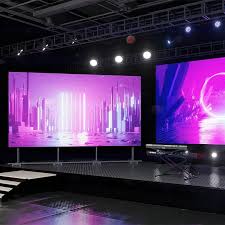
The “smart” aspect derives from embedded control architectures featuring IoT connectivity, real-time content management, and sensor integration. Modern LED smart screens incorporate integrated controllers that support 4K UHD input resolutions, dynamic brightness adjustment via ambient light sensors, and networked content delivery over Ethernet or wireless protocols. This flexibility is essential for applications such as smart retail displays, interactive advertising, and public information kiosks, where dynamic, context-aware content enhances user engagement.
Practical deployment also demands adherence to rigorous standards like IEC 62471 for photobiological safety and IP65/IP67 ratings for dust and water resistance, ensuring durability and safety across varied environments. Additionally, heat dissipation mechanisms, including aluminum alloy chassis and silent cooling fans, prevent thermal degradation, maintaining long operational lifespans often exceeding 100,000 hours of continuous use.
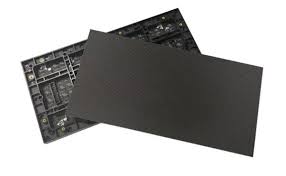
Case studies highlight the impact of LED smart screens on urban landscapes and business operations. For example, Times Square's digital billboards utilize modular LED panels with seamless blending techniques, enabling continuous large-scale displays with minimal dead zones. Similarly, smart stadium displays provide real-time stats and immersive fan experiences through wide-angle viewing and weather-resistant hardware.
Looking forward, advancements in Micro-LED technology promise even thinner, more energy-efficient smart screens with enhanced pixel control and longevity. Simultaneously, the integration of AI-driven content adaptation and gesture recognition will further push the boundaries of user interactivity in smart displays.
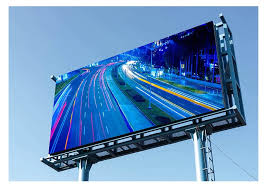
In conclusion, LED smart screens embody the convergence of high-performance LED technology, robust manufacturing standards, and intelligent control systems. Their versatility across commercial, industrial, and public domains marks them as indispensable tools in contemporary visual communication, offering immersive, reliable, and scalable solutions that meet the evolving demands of global markets.













