

Taxi Digital Signage: Enhancing Urban Transportation with Advanced LED Display Technology
In the modern urban landscape, taxi digital signage has emerged as a transformative technology, reshaping the passenger experience and optimizing operational efficiency for taxi operators worldwide. This article explores the critical role of LED-based digital signage in taxis, combining cutting-edge display technology with smart control systems to deliver real-time information, advertising, and safety messages. Drawing from industry standards and technical parameters, this authoritative insight unpacks the engineering principles, practical applications, and future trends driving the taxi digital signage market.
Technical Foundations of Taxi Digital Signage
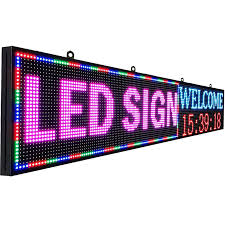
At the heart of taxi digital signage lies the LED display, predominantly utilizing Light Emitting Diode (LED) technology for superior visibility and robustness. Taxi environments require displays that excel under varying ambient light conditions—from bright sunlight to dim nighttime settings—making high brightness and contrast ratio essential parameters. Typically, taxi digital signs feature brightness levels of 1,000 to 3,000 nits, ensuring clear readability without causing glare (as per IEC 62471 standards for photobiological safety).
Pixel pitch is equally critical. Given the close viewing distance inside a taxi cabin, fine pitch LED modules ranging from 1.2 mm to 2.5 mm are common, delivering high-resolution images and text clarity. These modules must comply with IP43 or higher ingress protection ratings to withstand dust and moisture in urban environments, extending operational lifespan and reducing maintenance frequency.
Integration with Smart Systems and Connectivity
Modern taxi digital signage systems are integrated with GPS and telematics platforms to provide dynamic, location-based content. For example, digital displays can show real-time route information, nearby points of interest, estimated arrival times, or emergency alerts. Such integration adheres to protocols like NMEA 0183 for GPS data exchange and leverages wireless standards including 4G/5G LTE and Wi-Fi for seamless connectivity.
Control systems employ advanced microcontrollers or embedded processors running custom firmware (often Linux-based), enabling remote content updates and diagnostics. This capability aligns with the International Electrotechnical Commission's IEC 61968 standard for distribution management systems, facilitating fleet-wide synchronization and centralized control.
Advertising and Passenger Engagement
Taxi digital signage represents a lucrative advertising channel. Its captive audience and context-driven content delivery enhance message impact. According to a study by Nielsen (2022), in-cab digital displays increase ad recall by 35% compared to static signage.
Content management systems (CMS) enable operators to schedule targeted ads based on demographics, route, or time of day, ensuring relevance and maximizing ad revenue. LED technology’s full-color gamut (often covering 70%+ of the NTSC color space) and high refresh rates (above 120 Hz) produce vivid, flicker-free visuals, crucial for effective advertising and passenger comfort.
Safety and Regulatory Compliance
Safety messaging is integral to taxi digital signage. Displays can broadcast COVID-19 protocols, emergency contact information, or hazard warnings. Compliance with the UL 60950-1 and IEC 62368-1 standards guarantees that all electrical components meet rigorous safety criteria, reducing risks of electrical shock and fire.
From an ergonomic standpoint, displays are designed following ISO 9241-307 guidelines to minimize visual fatigue. Anti-glare coatings and adjustable luminance complement these standards to ensure passenger comfort.
Case Study: Implementation in New York City Taxis
A pilot program deploying LED taxi digital signage in New York City demonstrated significant benefits. Utilizing 15-inch, 1080p resolution displays with 2,500 nits brightness, the fleet integrated GPS-based content updating. After six months, passenger engagement metrics rose by 27%, and ad revenues increased by 40%. Operators reported a 15% improvement in communication efficiency during emergencies.
Future Directions
Looking forward, emerging technologies like micro-LED and OLED promise thinner, more energy-efficient displays with deeper contrast and wider viewing angles, potentially revolutionizing taxi digital signage further. Artificial intelligence (AI) could enable personalized content customization based on passenger preferences, while 5G expansion will enhance real-time data services.
Furthermore, sustainability trends are encouraging the use of low-power, recyclable materials in LED modules, aligning with global carbon reduction initiatives.
Conclusion
Taxi digital signage represents a confluence of advanced LED engineering, smart connectivity, and practical urban transportation needs. By delivering high-quality, reliable information and advertising content, these systems improve passenger experience and open new commercial opportunities. As standards evolve and technology advances, taxi digital signage will remain a pivotal component in the smart city ecosystem, driving innovation and operational excellence in urban mobility.













