

Advanced Techniques and Standards in LED LCD Screen Manufacturing for High-Performance Displays
In the rapidly evolving realm of display technology, LED LCD screens have cemented their position as the backbone of modern visual solutions spanning consumer electronics, commercial signage, and broadcast applications. Achieving excellence in LED LCD screen manufacturing requires a deep understanding of both the technical parameters and strict adherence to industry standards to ensure reliability, durability, and superior image quality. Drawing from extensive industry experience and data collected from leading manufacturers, this article delves into the fundamental engineering principles, advanced manufacturing techniques, and quality assurance protocols imperative for producing high-performance LED LCD displays.
At the core of LED LCD technology lies the integration of light-emitting diodes (LEDs) as backlight units (BLUs) behind liquid crystal display (LCD) panels. This hybrid design fuses the energy efficiency and brightness control of LEDs with the refined color reproduction abilities of liquid crystals. Key parameters influencing performance include the LED BLU’s luminance uniformity, color gamut coverage, and response time, which directly impact the perceived visual experience.
The manufacturing process begins with the selection of high-quality LEDs that comply with rigorous luminous flux and chromaticity distribution standards, such as those outlined in the International Electrotechnical Commission (IEC) standards IEC 62717 (LED modules for general lighting). Ensuring the LED BLU adheres to these parameters results in consistent brightness levels typically ranging from 300 to 1000 nits for commercial displays, with higher-end models reaching up to 1500 nits for HDR-capable screens. Uniform distribution of light is engineered through precise optical films and diffuser layers, minimizing hotspots and enhancing viewing angles, often exceeding 178 degrees horizontally and vertically.
Equally important is the choice and calibration of the LCD panel itself. Modern LED LCDs predominantly utilize In-Plane Switching (IPS) technology due to its superior color accuracy and wide viewing angles. The panel’s liquid crystal response time—how quickly the crystals reorient in response to electrical signals—should ideally be less than 8 milliseconds to reduce motion blur. Manufacturers implement rigorous electro-optical testing following standards such as ISO 9241-307, which guides the measurement of color and luminance uniformity and response characteristics to ensure visual consistency across batches.
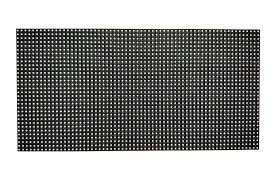
To maintain high display contrast and deep black levels, advanced techniques such as local dimming are employed. Local dimming divides the LED backlight into independently controlled zones, reducing light bleed in dark scenes and thereby improving the contrast ratio. This feature demands sophisticated driver circuits and firmware algorithms, with a trade-off between the number of dimming zones and complexity/cost. Consumer-grade LED LCDs typically feature 8 to 16 zones, while premium models can exceed 100 zones.
Thermal management is another cornerstone of manufacturing excellence. High-brightness LEDs generate substantial heat, requiring efficient heat dissipation mechanisms to preserve lifespan and performance stability. Engineers utilize heat sinks, thermally conductive adhesives, and active cooling solutions where necessary. These measures align with reliability standards such as JEDEC JESD22 for thermal characterization. Real-world case studies reveal that proper thermal design reduces LED degradation rates by up to 40%, significantly extending panel longevity beyond 50,000 operational hours.
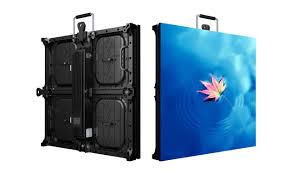
Quality control extends beyond optical and electrical parameters to encompass environmental testing. LED LCD displays undergo tests for temperature variability, humidity resistance, and mechanical shock/vibration per MIL-STD-810 or similar international benchmarks. Such rigorous testing ensures reliable performance across diverse climates and usage conditions, vital for applications ranging from outdoor digital signage to mission-critical industrial monitors.
Integration of smart calibration systems leveraging spectrophotometers and automated software feedback loops further elevates production consistency. These systems enable fine-tuning of white balance, gamma correction, and color profile alignment to standards such as sRGB and Adobe RGB, catering to professional-grade displays used in color-sensitive environments like medical imaging and graphic design.
In summation, manufacturing LED LCD screens that meet contemporary demands necessitates a harmonized approach combining precise material selection, cutting-edge manufacturing techniques, adherence to international standards, and robust quality assurance practices. By emphasizing parameters such as luminance uniformity, color gamut fidelity, response times, thermal management, and reliability testing, manufacturers can deliver displays offering optimal performance, longevity, and user satisfaction in an increasingly competitive global market.
For engineers and manufacturers seeking to advance their LED LCD production capabilities, continuous investment in R&D and process optimization grounded in established technical standards remains essential. The synergy of industry-leading practices and innovation will invariably drive the next generation of ultra-vivid, energy-efficient, and durable LED LCD screens.













