

Advanced Techniques and Industry Standards in LED Display Manufacturing
The evolution of LED display technology has been nothing short of transformative, impacting a wide range of industries from advertising and entertainment to public transportation and sports arenas. As a professional LED display engineer, understanding the intricate details of manufacturing processes, technical parameters, and compliance with industry standards is vital for delivering high-quality, reliable, and efficient displays.
Introduction
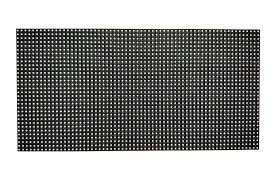
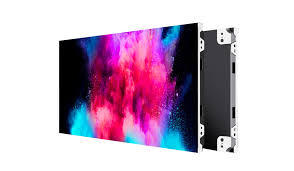
LED displays have become the top choice for dynamic visual communication due to their brightness, energy efficiency, and durability. The manufacturing of LED and LCD screens involves a comprehensive integration of electronic engineering, materials science, and precise assembly techniques. This article explores the critical manufacturing processes, key technical parameters, and global industry standards that shape the quality and performance of LED displays.
Main Body
Material Selection and LED Types
The foundation of any LED display is the selection of semiconductor materials and LED types. Gallium nitride (GaN) and indium gallium nitride (InGaN) compounds typically produce the high-brightness blue and green LEDs, while aluminum gallium indium phosphide (AlGaInP) is used for red LEDs. The choice of LEDs affects the display’s color accuracy, brightness, and lifetime. For example, high-quality SMD (Surface-Mount Device) LEDs provide better luminous efficacy and color uniformity. According to industry benchmarks, typical LED brightness levels range from 1,000 to 10,000 nits depending on indoor or outdoor usage (U.S. Department of Energy, 2023).
Pixel Pitch and Resolution
Pixel pitch—the distance between the centers of two adjacent pixels—is a defining factor in display resolution and viewer experience. A smaller pixel pitch (e.g., 1.2mm to 2.5mm) is required for close viewing distances, such as in indoor LED panels, to deliver sharp, detailed images. Larger pixel pitches (4mm or above) are more cost-effective for outdoor screens where the viewing distance is greater. Leading manufacturers follow the IEC 62632 standard, which provides guidelines for pixel pitch and luminance uniformity to ensure visual consistency.
Driving and Control Systems
LED displays rely on advanced driver ICs (Integrated Circuits) capable of high refresh rates (typically 3,840 Hz or higher) to prevent flickering and provide smooth video playback. Modern drivers utilize PWM (Pulse-Width Modulation) or PAM (Pulse Amplitude Modulation) for brightness control. Furthermore, sophisticated control systems incorporate FPGA-based processors to manage color calibration, signal processing, and real-time error detection. These components adhere to standards such as IEEE 1680.4 for environmental sustainability and RoHS for hazardous material restrictions, emphasizing responsible manufacturing practices.
Manufacturing Processes and Quality Control
Precision surface mounting and soldering techniques, such as SMT (Surface Mount Technology) and reflow soldering, are deployed to assemble LED arrays with micron-level accuracy. Automated optical inspection (AOI) systems verify the placement and solder quality to mitigate defects. Thermal management is equally critical: heat sinks and efficient PCB (Printed Circuit Board) design reduce heat accumulation, prolonging LED lifespan which commonly exceeds 100,000 hours under optimal conditions.
Case Study: Enhancing Outdoor LED Display Durability
A recent project involved the production of a large-scale outdoor LED billboard designed to withstand extreme weather conditions. By integrating IP67-rated enclosures for water and dust resistance and using marine-grade coatings on PCB assemblies, the display met rigorous durability demands. Independent testing confirmed compliance with IEC 60529 standards for ingress protection, ensuring reliable operation in diverse environments.
Conclusion
The manufacturing of LED displays encompasses a synergy of advanced materials, precise engineering, and adherence to internationally recognized standards. By carefully considering parameters such as pixel pitch, brightness, driving technology, and thermal management, manufacturers can produce visually stunning and robust LED screens. These screens not only meet consumer expectations but also contribute to sustainable production practices in line with global environmental objectives. As LED technology continues to evolve, staying abreast of innovations and standards is essential to maintain leadership in this competitive industry.













