

Optimizing LED Display Solutions for Conference Environments: Technical Insights and Best Practices
In the realm of modern conference environments, LED display technology has become indispensable, offering unparalleled clarity, brightness, and versatility. As global enterprises, educational institutions, and event organizers increasingly rely on LED screens to enhance communication and engagement, understanding the technical nuances and deployment strategies of conference LED display systems is crucial.
Understanding the Technical Specifications of Conference LED Displays
Conference LED displays are engineered to deliver high-resolution visuals under varying ambient lighting conditions. Typically, these screens use fine pixel pitch technology, with pixel pitches ranging from 1.2 mm to 2.5 mm for indoor conference rooms. A smaller pixel pitch ensures higher pixel density, resulting in sharper images and text—critical for attendees seated both near and far.
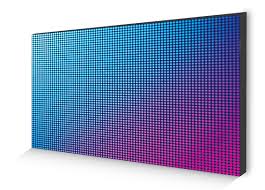
Key technical parameters for an effective conference LED screen include:
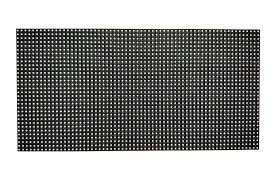
- Pixel Pitch: Generally between 1.2 mm to 2.5 mm, balancing clarity and cost-effectiveness. For large auditoriums, pixel pitches up to 3 mm may be acceptable.
- Brightness: A brightness level of 600–1,000 nits suffices for indoor conferences, providing vivid visuals without glare.
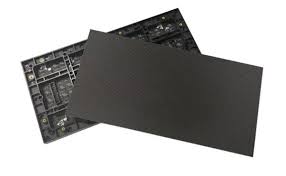
- Refresh Rate: A refresh rate of 3,840 Hz or higher is recommended to eliminate flickering in video recordings and live streaming.
- Color Precision: High color gamut and uniformity improve the accuracy of presentations and graphical content.
- Viewing Angle: Wide horizontal/vertical viewing angles, typically around 160°/140°, ensure image visibility even at oblique positions.
- Scalability and Modularity: LED video walls must be scalable, supporting various aspect ratios and sizes according to room dimensions.
Practical Considerations for Installation and Usage
Successful implementation hinges not only on technical specs but also on careful environment assessment. Factors such as room size, ambient light, and wiring infrastructure influence the choice of LED display modules and control systems.
A modular design approach enables seamless maintenance and future upgrades. For example, SMD (Surface-Mounted Device) technology featuring RGB diodes offers consistent performance and easier servicing. Additionally, integrating intelligent calibration systems ensures uniform brightness and color over time, especially under continuous usage typical in conferences.
Enhancing User Experience with Advanced Features
Modern conference LED screens incorporate features such as:
- Real-time Content Synchronization: Enables multi-screen setups with synchronized playback across different zones.
- Touch Capabilities: Some LED displays support interactive touch functions, facilitating dynamic presentations and audience engagement.
- Wireless Control and Remote Management: Using sophisticated control software, operators can manage content remotely, schedule playback, and execute diagnostics.
Case Studies and Industry Standards
Industry leaders emphasize compliance with standards such as the IEC 62471 (Photobiological safety of lamps and lamp systems) and ISO 9241-307 (Ergonomic requirements for visual display terminals) to ensure both user comfort and safety. For instance, a recent deployment of a 10m x 4m LED video wall at a multinational corporation's annual summit featured 1.5 mm pixel pitch panels with automatic brightness adjustment, drastically improving visibility and reducing viewer fatigue.
Research from the Visual Electronics Association confirms that optimized LED conference displays enhance information retention by 30%, highlighting their role in effective communication.
Conclusion
Deploying LED displays tailored to conference environments entails a careful balance of technical parameters, ergonomic considerations, and future-proofing strategies. By selecting appropriate pixel pitch, ensuring high refresh rates, and incorporating intelligent control systems, organizations can create immersive presentation experiences that engage audiences and deliver messages effectively. As LED technology evolves, ongoing collaboration between engineers, event planners, and end-users will enhance the versatility and impact of conference LED displays.













