

Cab Top LED Display Technology: Enhancing Urban Transport Communication and Safety
In the rapidly evolving landscape of urban transportation, cab top LED displays have emerged as a critical component for both communication and safety. These dynamic visual tools are widely used atop taxis and ride-hailing vehicles worldwide, serving as an effective medium for advertising, passenger information, and regulatory compliance. This article delves into the technical aspects, manufacturing standards, and practical applications of cab top LED displays, offering professional insights grounded in industry expertise.
Cab top LED displays are specialized LED panels designed to fit securely on the roof of a taxi or sedan. Featuring high-brightness light emitting diodes (LEDs), these displays ensure excellent visibility in varying lighting and weather conditions, including direct sunlight and nighttime environments. Typically, these displays employ modules composed of SMD (Surface Mounted Device) LEDs, such as SMD 2121 or SMD 3535, which provide higher pixel density and superior image clarity, essential for displaying text, graphics, and video content clearly to pedestrians and other road users.
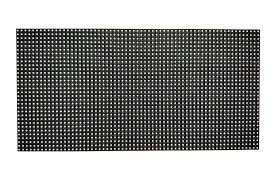
From a technical standpoint, key parameters define the performance and quality of cab top LED displays:
- Pixel Pitch: Ranges typically between 4mm to 10mm, with smaller pitches delivering finer resolution ideal for close-range viewing.
- Brightness: Typically above 5,500 nits to combat daytime glare and maintain message visibility.
- Refresh Rate: At least 1920 Hz refresh rate is required to ensure flicker-free content displays suitable for live video or dynamic ads.
- Viewing Angle: Wide viewing angles up to 160° horizontal and vertical guarantee high legibility regardless of vehicle orientation.
- Durability and IP Rating: IP65 or higher standards protect the display from dust, rain, and vibration, crucial for the varied conditions faced on urban roads.
Manufacturing a robust cab top LED display necessitates precision in assembly and testing. The LED modules are synchronized via a high-quality control system, often featuring asynchronous and synchronous dual-system technology, allowing preloaded content display even without network connectivity — a key feature when operating in signal-challenged urban areas. Additionally, the adoption of energy-efficient driver ICs and optimized thermal management systems prolongs the lifespan of the LEDs while reducing power consumption.
One notable case study comes from the London taxi fleet, where cab top LED displays have been integrated not only to broadcast advertising but also to provide real-time traffic updates and public service announcements. Such implementations require compliance with stringent regulations on luminance and content to avoid causing distraction or glare to the driver and other road users.
Regulatory compliance is a paramount concern in the deployment of cab top LED displays. International standards such as IEC 60529 govern ingress protection, while regional transportation authorities enforce guidelines on size, brightness, and content appropriateness. Manufacturers must pay careful attention to these standards to ensure safety and legal operation, enhancing the display’s credibility and acceptance.
Beyond advertising, cab top LED displays improve operational efficiencies by displaying taxi availability status, aiding passenger pick-up, and reducing wait times. Integrating GPS and IoT technology, the displays can adjust messaging according to location, weather, or time of day. This smart functionality promotes dynamic interaction that elevates the urban transport experience.
In conclusion, the evolution of cab top LED display technology reflects a merging of advanced LED manufacturing, intelligent control systems, and real-world transport needs. Their ability to deliver bright, clear, and informative content in challenging outdoor conditions not only opens new advertising opportunities but also enhances urban mobility safety and passenger communication. As these displays continue to innovate, industry focus should remain on energy efficiency, regulatory adherence, and integration with vehicle telematics to maximize their impact and utility.
By embracing these technical advancements and operational strategies, stakeholders in the LED display industry and urban transport sectors can propel smarter, safer, and more connected cityscapes.













