

Advanced LED Display Manufacturing: Technical Insights and Industry Best Practices
In the rapidly evolving world of visual technology, LED display manufacturing stands out as a cornerstone for diverse applications ranging from indoor advertising to large-scale outdoor events. As an experienced engineer specialized in LED and LCD technologies, I will provide an authoritative overview of the manufacturing process, key technical parameters, and industry best practices, drawing on internationally recognized standards and case studies to guide professionals aiming to enhance the quality and performance of their LED displays.
Understanding LED Display Technologies
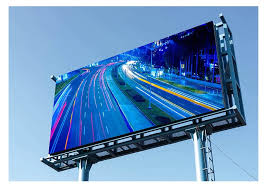
An LED display primarily consists of Light Emitting Diodes arranged in a matrix. These LEDs can be categorized into SMD (Surface-Mounted Device) and DIP (Dual In-line Package) types, each with specific use cases:
- SMD LEDs integrate multiple colors (typically red, green, and blue) into one single package, offering superior pixel density and a smaller pixel pitch, making them ideal for high-resolution indoor displays.
- DIP LEDs are generally larger, more robust, and offer higher brightness, fitting applications like outdoor billboards.
According to the IEC 62368-1 safety standard for electronic equipment, LED display modules must adhere to strict requirements on electrical safety and environmental sustainability. This ensures product longevity and user safety.
Technical Parameters Critical for Manufacturing
Several parameters influence the performance and quality of LED displays:
- Pixel Pitch: Measured in millimeters, it dictates the distance between two adjacent LED pixels. A smaller pixel pitch (e.g., 1.2mm to 2.5mm) results in higher resolution, essential for close-proximity viewing.
- Brightness: Outdoor displays require luminance levels exceeding 5,000 nits to ensure visibility under direct sunlight. Indoor displays usually operate between 800 and 1,200 nits for comfortable viewing.
- Refresh Rate: A refresh rate above 1920Hz prevents flickering in videos and live broadcasts, enhancing viewer comfort and media quality.
- Contrast Ratio: Higher contrast ratios improve image depth and realism, which is critical in dynamic content display.
Leading manufacturers utilize automated SMT (Surface Mount Technology) lines for precise LED placement, and implement binning processes to select LEDs with uniform color and brightness, ensuring consistent display performance.
Manufacturing Process and Quality Control
The production of LED modules involves multiple stages, including PCB fabrication, LED mounting, encapsulation, and testing. Adherence to IPC-A-610 standards for acceptability in electronic assemblies is crucial:
1. PCB Design and Fabrication: High-quality rigid or flexible PCBs are designed to optimize heat dissipation and electrical performance.
2. Soldering and Mounting: Advanced SMT machines place LEDs with micron-level accuracy; reflow soldering ensures robust electrical connections.
3. Encapsulation: Silicon or epoxy materials protect LEDs from moisture and mechanical stress.
4. Testing: Post-production testing includes pixel failure analysis, color calibration with spectroradiometers, and environmental stress screening to validate durability.
Implementing real-time quality monitoring systems guided by Industry 4.0 principles enhances manufacturing yields and reduces defects significantly. For example, automated optical inspection (AOI) systems can detect LED misalignment or soldering defects early in the line.
Case Study: Large-Scale Outdoor LED Display Deployment
A recent project involved producing a 500 square meter outdoor LED facade for a sports stadium. The key challenges were ensuring uniform brightness across the large area and resistance to varying weather conditions. By selecting DIP LEDs with a pixel pitch of 10mm and a brightness level of 6,500 nits, along with IP65-rated enclosures, the display achieved exceptional visibility and weather resilience. Continuous temperature monitoring and modular design allowed for easy maintenance and minimized downtime.
Emerging Trends and Future Directions
The integration of microLED technology promises even higher pixel densities and lower power consumption compared to conventional LEDs. Additionally, advances in AI-based calibration algorithms are enhancing display uniformity and color accuracy autonomously.
Sustainability remains central, with ongoing research focused on reducing hazardous materials and improving recyclability of LED components according to RoHS and WEEE directives. Moreover, flexible and transparent LED displays are paving the way for innovative applications in automotive, retail, and architecture.
Conclusion
Manufacturing high-performance LED displays requires a meticulous balance of advanced technology, quality standards, and skilled processes. By strictly following industry guidelines and leveraging state-of-the-art equipment, manufacturers can deliver reliable and visually stunning products that meet diverse customer needs worldwide. Continuous innovation and adherence to environmental and safety norms will shape the future of LED display manufacturing.
References:
- IEC 62368-1: Audio/video, information and communication technology equipment – Safety requirements
- IPC-A-610: Acceptability of Electronic Assemblies
- International Electrotechnical Commission (IEC) Standards
- Case study data from industry leader Absen and digital signage market reports (2023)













