

Advanced Techniques and Standards in LED Display Manufacturing for Enhanced Performance and Reliability
The LED display industry has witnessed remarkable advancements over the past decade, driven by increasing demand for high-quality, reliable, and energy-efficient visual solutions. As a professional LED display engineer with extensive industry experience, I will elucidate the cutting-edge techniques, critical technical parameters, manufacturing standards, and real-world applications that define modern LED displays. This comprehensive overview aims to provide insights rooted in engineering best practices, industry standards, and the latest technological developments to ensure optimized performance and durability of LED screens.
Key Technical Parameters Influencing LED Display Quality
The foundation of an exceptional LED display lies in its technical specifications, which directly impact visual performance and operational reliability:
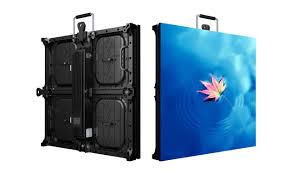
1. Pixel Pitch:
Pixel pitch, denoted in millimeters (mm), is the distance between the centers of two adjacent LED pixels. It determines the display's resolution and viewing distance. For instance, indoor displays typically use pixel pitches ranging from 1.2mm to 4mm, delivering crisp images at close viewing distances, while outdoor displays employ larger pixel pitches, such as 10mm to 20mm, for visibility from afar.
2. Brightness and Contrast Ratio:
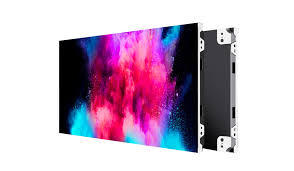
Brightness, measured in nits (cd/m²), is vital for visibility under varying ambient light conditions. Outdoor LED displays require brightness levels exceeding 5000 nits to combat sunlight glare effectively, whereas indoor displays generally range from 800 to 1500 nits. High contrast ratios enhance image depth by clearly differentiating light and dark areas, often achieved through precise LED calibration and panel design.
3. Refresh Rate and Gray Scale:
A refresh rate above 1920 Hz ensures smooth video playback without flicker, essential for broadcast and live events. The gray scale level, typically 14 to 16 bits, enables the display to render millions of colors accurately and supports detailed image reproduction crucial for corporate signage and digital art installations.
4. Viewing Angle:
Displays with wide viewing angles, for example, 140° horizontally and vertically, guarantee consistent image quality from multiple perspectives, improving audience engagement in spaces like retail venues and stadiums.
Manufacturing Techniques and Industry Standards
Adherence to stringent manufacturing processes and international standards ensures LED displays deliver longevity and dependable operation in diverse environments:
- Surface Mount Technology (SMT):
Modern LED display panels utilize high-precision SMT for mounting LEDs and components onto printed circuit boards (PCBs). This automated process enhances consistency, reduces defects, and supports compact design.
- Encapsulation and Protection:
For outdoor installations, LED modules often employ epoxy resin or silicone encapsulation to safeguard against moisture, dust, and UV exposure. Conforming to IP65 or higher ingress protection ratings per IEC 60529 is crucial to ensure environmental resilience.
- Thermal Management:
Effective heat dissipation mechanisms, including integrated heat sinks, fans, and materials with high thermal conductivity, prevent overheating, thereby maintaining color stability and extending LED lifespan (commonly exceeding 100,000 hours as per manufacturer ratings).
- Quality Control and Testing:
Stringent quality control protocols involve pixel-level testing, color calibration, and burn-in procedures. Compliance with IEC 62471 ensures the LED display’s photobiological safety, protecting users from harmful radiation.
Case Study: Deploying High-Resolution LED Screens in a Sports Arena
A recent installation in a major international sports arena utilized LED panels with a 4mm pixel pitch, 6000 nits brightness, and 3840 Hz refresh rate. The system integrated real-time calibration technology to maintain uniform brightness and color balance across the large display surface. Resulting audience feedback highlighted improved visibility and immersive experience, irrespective of seating position. This deployment underscored the importance of optimized technical specifications and rigorous testing to meet high-traffic, high-visibility requirements.
Sustainability and Energy Efficiency Considerations
With growing environmental concerns, LED display manufacturers are focusing on energy-efficient components and power supply design. Utilizing LED chips with elevated luminous efficacy, power supplies with >90% efficiency, and adaptive brightness controls significantly reduce electricity consumption. Compliance with RoHS (Restriction of Hazardous Substances Directive) and WEEE (Waste Electrical and Electronic Equipment Directive) regulations ensures environmentally responsible production and disposal.
Future Trends and Innovations
Emerging trends include micro-LED technology offering pixel pitches below 1mm for ultra-high definition displays, and the integration of AI-driven calibration systems for autonomous performance optimization. Additionally, transparent and flexible LED panels expand application scenarios across architecture and wearable devices, reflecting the dynamic evolution of LED display technology.
In conclusion, the LED display manufacturing process encompasses intricate design considerations, precision engineering, and strict adherence to international standards to deliver high-performance, reliable, and visually stunning displays. Continuous innovation, coupled with rigorous quality assurance, sustains the industry’s growth and adaptation to diverse market demands.













