

Advancements and Applications of LED Interactive Displays in Modern Technology
In the evolving landscape of digital visualization, LED interactive displays have emerged as a transformative technology, reshaping how users engage with visual content across various industries. As a professional LED display engineer with extensive experience in LED LCD screen manufacturing, this article delves into the technical nuances, industry applications, and future prospects of LED interactive displays, providing a comprehensive understanding suitable for a global audience.
At their core, LED interactive displays combine high-definition LED panels with touch-sensitive surfaces, enabling dynamic user interaction beyond traditional passive viewing. The integration of interactive technology with LED displays facilitates real-time responses, gesture recognition, and multi-touch capabilities, significantly enhancing user engagement and operational efficiency.
Technical Parameters and Innovations
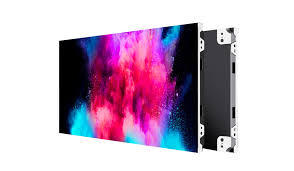
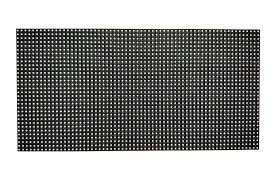
Modern LED interactive displays typically feature pixel pitches ranging from 0.9mm to 3.0mm, balancing high resolution with viewing distance considerations. The pixel pitch and brightness levels, often exceeding 1000 nits, ensure vivid, clear images even in well-lit environments. Refresh rates above 3840Hz reduce flicker and motion blur, critical for applications requiring smooth video playback and detailed graphics.
Touch technologies incorporated include infrared (IR) touch, capacitive touch, and optical bonding, each with distinct advantages. Capacitive touch surfaces offer superior accuracy and support for multi-touch gestures up to 20 points simultaneously, essential for collaborative use cases such as conference rooms and educational settings. Optical bonding enhances durability and reduces parallax, improving visual clarity and touch responsiveness.
Industry Standards and Quality Assurance
Compliance with industry standards such as IEC 62368-1 for safety and IEC 60950 for electronic device reliability is standard practice. Furthermore, adherence to RoHS (Restriction of Hazardous Substances) directives ensures environmentally friendly manufacturing processes. Quality testing procedures include full burn-in tests over 72 hours, static electricity resistance assessments, and humidity and temperature cycling to guarantee long-term operational stability.
Practical Applications Across Sectors
LED interactive displays are revolutionizing sectors including retail, education, healthcare, and corporate communications. In retail environments, these displays function as interactive product catalogs and smart advertising platforms, enhancing shopper engagement through immersive experiences. Educational institutions utilize large-format interactive displays to facilitate collaborative learning, leveraging multi-touch capabilities and high resolution for detailed content visualization.
In healthcare, LED interactive displays support telemedicine and patient education by allowing practitioners to interact dynamically with medical imaging and data. Corporate offices employ these displays in meeting rooms and control centers to foster interactive presentations and data-driven decision-making.
Case Study: Deployment in a Smart City Control Center
A notable example includes the deployment of a large-scale LED interactive wall in a smart city control center, featuring a 1.5mm pixel pitch and 5000 nits brightness. This installation enabled real-time data visualization with high accuracy and touch interactivity, significantly improving response times during citywide emergencies. The system’s durability and energy efficiency, achieved through advanced LED driver ICs and power management modules, underscored its suitability for 24/7 operation.
Future Trends and Prospects
The advancement of AI integration with LED interactive displays is shaping the next generation of smart interfaces. Gesture control, voice commands, and adaptive content personalization are becoming more prevalent, driven by machine learning algorithms. Furthermore, developments in flexible LED panel technology promise new form factors for interactive displays, enabling curved, transparent, and wearable variants.
Energy efficiency remains a focal point, with emerging technologies such as micro-LEDs offering higher brightness and lower power consumption compared to traditional LEDs. These innovations will broaden the adoption of LED interactive displays in outdoor environments and portable devices.
Conclusion
LED interactive displays stand at the forefront of interactive technology, offering unparalleled image quality, responsiveness, and versatility. Their integration across numerous industries reflects a growing trend towards immersive digital environments. As manufacturing techniques continue to advance and new technologies emerge, LED interactive displays will play an increasingly central role in shaping user experiences worldwide.
For further reading, standards references such as IEC 62368-1 and industry insights from the Society for Information Display (SID) provide valuable technical frameworks. Understanding these parameters ensures informed decision-making when selecting and deploying LED interactive display solutions.













