

Advanced Techniques and Industry Standards in LED Display Manufacturing
In the rapidly evolving field of LED display technology, precision manufacturing and adherence to industry standards are paramount for delivering high-quality, reliable products. As a professional LED display engineer with extensive experience in the design, fabrication, and quality control of LED and LCD screens, it is essential to understand the technical parameters and manufacturing processes that govern this industry.
Material Selection and LED Chip Quality
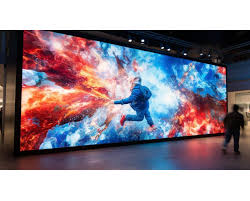
The foundation of any LED display is its semiconductor chip. High-brightness gallium nitride (GaN) LEDs remain the industry standard, offering excellent luminous efficiency and long lifespan. Typically, LED chips used in display panels operate within a current range of 20-30mA and boast a luminance exceeding 2000 nits for indoor use, while outdoor panels may require luminance ratings exceeding 5000 nits to maintain visibility under direct sunlight (IES TM-27-20).
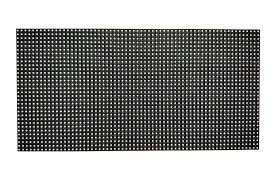
Pixel Pitch and Resolution
Pixel pitch—the distance between the centers of adjacent LEDs—is a critical specification impacting the resolution and viewing distance of the display. Modern LED video walls use pixel pitches ranging from 0.9mm for high-definition, close-view screens, up to 10mm or more for large outdoor billboards. According to the Society for Information Display (SID), optimal viewing distance is approximately 1.5 to 2 times the pixel pitch expressed in millimeters, ensuring optimal clarity and reducing the screen-door effect.
Module Assembly and PCB Design
Precision assembly is essential to maintain uniformity and color consistency. Surface-mount technology (SMT) is employed to place LEDs on high-quality, multi-layered printed circuit boards (PCBs) with excellent thermal conductivity. FR4 or aluminum substrates are commonly used to ensure efficient heat dissipation, reducing thermal resistance and preventing color shifts due to temperature variations. Industry standards like IPC-A-610 define acceptability criteria for soldering and component placement accuracy, helping manufacturers maintain tight tolerances crucial for performance.
Thermal Management and Lifespan Optimization
Thermal management is a linchpin for longevity and performance. Advanced LED displays incorporate heat sinks, thermal pads, and active cooling systems when necessary to maintain junction temperatures below 85°C. According to the Illuminating Engineering Society, the luminance degradation for a typical LED is characterized by L70—the time when brightness falls to 70% of the initial value—usually beyond 50,000 hours under recommended operating conditions. Maintaining stable color temperature (typically around 6500K for natural white) also depends on consistent thermal regulation.
Calibration and Color Uniformity
Color calibration is integral during and after production to ensure uniformity across the display surface. Calibration systems leverage spectroradiometers and colorimeters conforming to CIE 1931 color space standards, enabling fine-tuning of individual LED channels. Contemporary manufacturing employs software tools that auto-adjust gamma curves and PWM (Pulse Width Modulation) frequencies to optimize color fidelity, brightness, and minimize flicker.
Quality Control and Testing Procedures
End-to-end quality assurance follows rigorous testing protocols including aging tests, thermal cycling, and luminescence uniformity evaluation. Thermal imaging cameras check heat distribution while automated optical inspection (AOI) verifies solder joint quality and component placement. Conformance with international standards such as IEC 62368-1 for product safety and RoHS compliance for hazardous substances is mandatory, ensuring environmental responsibility and user safety.
Innovations and Future Trends
Emerging manufacturing trends involve microLED technology offering higher brightness with improved energy efficiency and ultra-fine pixel pitches below 0.5mm. Flexible and transparent LED displays are gaining momentum for novel applications in automotive and smart cities. Implementation of AI-driven calibration and diagnostic tools further optimizes performance and maintenance schedules.
In summary, LED display manufacturing demands a blend of advanced semiconductor technology, precision engineering, and rigorous testing to meet the global standards expected by international markets. With continuous innovations and adherence to ISO, IEC, IPC, and IES guidelines, manufacturers can produce displays that deliver superior visual performance, durability, and energy efficiency.













