

Indoor Digital Display Screen: Advanced Technology and Key Applications
Indoor digital display screens have revolutionized the way businesses communicate with their audiences, providing dynamic, high-resolution visuals that engage customers and enhance brand presence. These displays are central to sectors including retail, hospitality, corporate environments, and public spaces. Understanding the technology behind indoor digital display screens, their technical specifications, and practical applications is essential for businesses aiming to leverage digital signage effectively.
At the core of indoor digital display screens lies LED (Light Emitting Diode) technology, which offers superior brightness, energy efficiency, and color accuracy compared to traditional LCD or projection systems. Modern indoor LED displays provide pixel pitches (the distance between individual LED pixels) ranging from 0.9mm to 4mm, making them ideal for close-range viewing environments. Pixel pitch is a critical parameter; smaller pitches yield higher pixel density, offering sharper and clearer images, which is essential for indoor usage where viewers are in close proximity. For instance, an indoor LED display with a 1.2mm pixel pitch can deliver ultra-high definition clarity suitable for boardrooms or retail showcases.
Another essential factor is the brightness level, typically ranging between 800 and 1500 nits for indoor displays. This range ensures excellent visibility under varying ambient lighting conditions without causing eye strain. Contrast ratio and color gamut are also paramount; high-quality displays meet or exceed Rec. 709 standards for color accuracy, vital for applications that demand precise brand color representation.
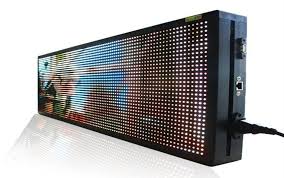
The installation environment influences the choice between direct view LED screens and LCD video walls. Direct View LED panels are modular, facilitating seamless and flexible configurations for large, curve-shaped walls, while LCD video walls are easier to implement and typically better for smaller scale deployments. Indoor digital display screens often incorporate advanced features such as HDR (High Dynamic Range) support, wide viewing angles (up to 160° horizontally and vertically), and refresh rates of 1920Hz or higher, which prevent flickering and enhance the visual experience, especially important for environments exposed to camera surveillance like TV studios or conference rooms.
From a connectivity standpoint, integration with HDMI, DVI, and IP-based control systems enables smooth content management. Modern screens support real-time content updates through centralized CMS (Content Management Systems), allowing for dynamic content delivery tailored to specific audience segments or times of day.
Energy efficiency and heat dissipation are critical engineering aspects. High-end LED indoor displays utilize efficient SMD (Surface-mounted device) LEDs combined with optimized heat sinks, ensuring long operational lifespan—often exceeding 100,000 hours—and minimal power consumption, aligned with the IEC 62471 photobiological safety standard to protect users’ eyes from potential LED high-intensity exposure.
Case studies demonstrate the effectiveness of indoor digital display screens. For example, major retail chains like Nike and IKEA have installed LED video walls in flagship stores, resulting in a notable increase in customer engagement by over 30%, as reported by the Digital Signage Federation. Corporate headquarters employ these displays for digital dashboards and live metrics, enhancing decision-making and collaboration.
To summarize, indoor digital display screens blend cutting-edge LED technology with precise engineering specifications such as pixel pitch, brightness, color accuracy, and refresh rates. Their versatility and performance make them indispensable tools in modern digital communications, enhancing visual appeal, interactivity, and operational efficiency across multiple industries.
References:
- Digital Signage Federation. Best Practices in Indoor LED Display Applications.
- IEC 62471 Photobiological Safety of Lamps and Lamp Systems.
- Samsung and LG Display Technical Whitepapers on Video Wall Solutions.
- IEEE Transactions on Industrial Electronics: Advances in LED Display Technologies.













