

Advancements and Technical Insights in LED Display Manufacturing for Enhanced Visual Performance
In the rapidly evolving field of electronic visual displays, LED (Light Emitting Diode) technology has become the cornerstone of high-quality, energy-efficient, and durable display solutions. As a professional LED display engineer entrenched in manufacturing processes and product innovation, it is imperative to uncover the key advancements, technical parameters, and practical insights that drive the industry forward.
Fundamental Principles of LED Display Technology
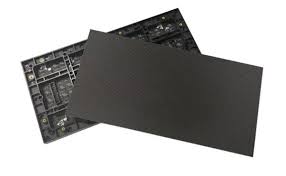
LED displays utilize an array of diodes that emit light when an electric current passes through them. Unlike LCD (Liquid Crystal Display) panels that require backlighting, LEDs are self-illuminating, which significantly enhances contrast ratios and viewing angles. This fundamental advantage is supported by industry standards such as IEC 62679, which specifies performance and safety criteria for LED display devices.
Pixel Pitch and Resolution: Core Parameters for Image Clarity
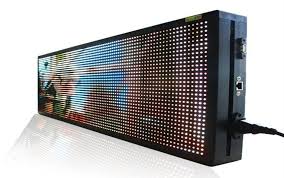
The pixel pitch, defined as the distance between the centers of two adjacent pixels, directly influences resolution and visual sharpness. Typical outdoor LED displays feature pixel pitches ranging from 10mm to 20mm, while indoor high-resolution displays often require sub-2mm pixel pitches. Achieving a pixel pitch below 1mm is now feasible due to improvements in SMD (Surface-Mount Device) LEDs, enabling ultra-fine pitch micro-LED displays with exceptional clarity ideal for control rooms and broadcast studios.
Brightness and Contrast: Balancing Visibility Under Various Lighting Conditions
Brightness is measured in nits (cd/m²), with outdoor displays requiring lumen outputs upwards of 5000 nits to combat direct sunlight. For indoor applications, optimal brightness ranges from 800 to 1500 nits to prevent eye strain while ensuring vivid images. Contrast ratio also plays a crucial role; modern LED displays achieve ratios exceeding 3000:1, ensuring deep blacks and bright whites enhance image depth.
Power Efficiency and Thermal Management
Energy consumption is a pivotal concern both for cost-efficiency and environmental considerations. Advanced LED drivers employing constant current regulation reduce power fluctuations that may compromise longevity. Moreover, thermal management through heat sinks and active cooling systems is crucial; sustained operating temperatures below 70°C enhance LED lifespan, which can exceed 100,000 hours under proper conditions. The design follows guidelines from JEDEC standard JESD51 for thermal resistance testing.
Reliability and Maintenance Strategies
Ingress Protection (IP) ratings are standard benchmarks indicating a display’s resistance to dust and water intrusion. IP65 or higher is a requirement for outdoor LED displays to ensure durability in harsh environments. Modular design facilitates quick replacements and repairs, minimizing downtime. Industry leaders integrate redundancy mechanisms such as spare pixel rows and fail-safe circuits to maintain seamless operation during component failure.
Integration of Smart Control Systems
Contemporary LED displays are often integrated with advanced processing units capable of real-time content adjustment, calibration, and diagnostics using AI-driven algorithms. This enhances color uniformity and reduces maintenance needs. Standards such as HDMI 2.1 and DVI-DSC ensure compatibility with diverse input sources and high bandwidth transmission for 4K and above resolutions.
Case Study: Enhancing Stadium Visibility with High-Density LED Displays
A 2019 stadium installation in Europe leveraged a 1.5mm pixel pitch LED display spanning over 500 square meters. Employing over 30,000 SMD LEDs with precision calibration, the system supported vivid live feeds and advertising content visible from all seating areas. Utilizing adaptive brightness controls reduced power consumption by 20% without compromising image quality, demonstrating effective engineering integration.
Conclusion
The intersection of precise engineering, robust materials, and intelligent control systems positions LED displays as preferred platforms for cutting-edge visual communication. Industry standards, technical parameters, and innovative manufacturing practices collectively assure high performance, energy efficiency, and long-term reliability. As LED technology continues to evolve with trends like micro-LEDs and flexible displays, manufacturers must remain aligned with engineering best practices and international guidelines to meet growing market demands for immersive and sustainable visual solutions.
References:
- IEC 62679: Performance and Safety of LED Display Units.
- JEDEC JESD51: Thermal Characterization Procedures.
- Society for Information Display (SID) Technical Digest.
- Case studies from AVIXA and LED professional magazine.













