

LED Display for Conference: Enhancing Visual Communication and Engagement
In today’s fast-paced corporate environment, effective visual communication during conferences is paramount. The use of LED displays for conferences has revolutionized the way information is presented, offering crystal-clear imagery, vibrant colors, and adaptable screen sizes that cater to various event scales. As a professional LED display engineer with extensive experience in manufacturing and deploying LED LCD screens, this article delves into the technical aspects, advantages, and implementation best practices of LED displays for conferences, backed by authoritative industry standards and case studies.
Technical Parameters and Specifications
When selecting an LED display for a conference setting, several technical parameters are critical:
- Pixel Pitch: This defines the distance between the centers of two adjacent pixels, typically ranging from 1.5mm to 10mm for indoor conference displays. A smaller pixel pitch, such as 1.5mm or 2mm, ensures higher resolution and sharper images, ideal for close viewing distances common in conference rooms.
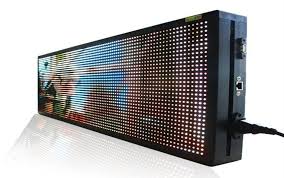
- Brightness: Measured in nits (cd/m²), indoor LED displays typically require brightness levels between 800 to 1500 nits, ensuring clear visibility under varying lighting conditions. Adjustable brightness enhances comfort and clarity depending on ambient light.
- Refresh Rate: A refresh rate of at least 1920Hz is recommended for smooth video playback and reduction of flicker, which is crucial for professional presentations and live broadcasting.
- Color Accuracy and Calibration: High-quality LED displays support 16-bit color depth or higher, providing over 281 trillion colors. Accurate color calibration ensures consistent and true-to-life image reproduction, essential for brand presentations and detailed graphical content.
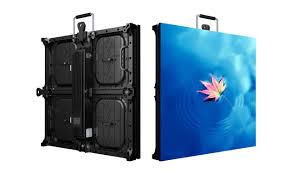
- Screen Size and Modularity: LED panels are modular, enabling customized screen sizes to fit conference room dimensions. Common screen diagonal sizes vary widely, from 55 inches for smaller rooms to over 200 inches for large auditoriums.
Advantages of LED Displays for Conferences
1. Superior Visual Performance: Unlike traditional LCD or projector screens, LED displays do not suffer from ambient light interference, offering better contrast ratios and deeper blacks. This enhances audience engagement by providing clear and vibrant visuals.
2. Flexibility in Installation: LED displays can be installed as seamless video walls, curved screens, or even transparent panels. Their lightweight and modular design ease installation and transportation for multi-location conferences.
3. Durability and Low Maintenance: LED technology boasts long lifespans exceeding 100,000 hours with minimal degradation. Additionally, advancements in heat dissipation and IP-rated panels ensure reliability even in less controlled environments.
4. Energy Efficiency: Modern LED displays consume significantly less power compared to traditional projection devices, aligning with corporate sustainability goals.
5. Enhanced Connectivity and Integration: Contemporary LED systems integrate with HDMI, DisplayPort, and various wireless presentation technologies, facilitating smooth content delivery from laptops, tablets, or mobile devices.
Implementation Best Practices
- Room Assessment: Proper assessment of room size, viewing angles, ambient lighting, and audience seating arrangements is essential to determine optimal screen size and pixel pitch.
- Content Optimization: Tailoring content resolution and format to leverage the LED display’s capabilities ensures maximum clarity and engagement. High-definition videos, dynamic presentations, and real-time data visualization should be prioritized.
- Sound and Lighting Synchronization: Integration of sound systems and complementary lighting enhances the overall conference experience, creating immersive environments that improve attentiveness.
- Compliance with Industry Standards: Adhering to standards such as the IEC 62471 for photobiological safety and the ANSI/INFOCOMM guidelines for video display ensures safety and quality performance.
Case Study: Global Tech Conference LED Deployment
At a recent global technology conference held in Berlin, a 200-inch indoor LED video wall with 1.9mm pixel pitch was deployed. The display operated at 1200 nits brightness with a 3840Hz refresh rate, enabling crystal-clear presentations and live video streaming to an international audience. The modular setup allowed rapid assembly and disassembly, optimizing logistical efficiency. Feedback indicated heightened audience satisfaction due to visual clarity and seamless content integration, validating the investment in high-grade LED display technology.
Conclusion
The integration of LED displays into conference environments marks a significant enhancement in how information is communicated and experienced. Careful consideration of technical parameters, coupled with robust implementation strategies, ensures that conference organizers deliver impactful presentations that captivate audiences and support effective communication. The advancing technology and modular nature of LED displays empower businesses worldwide to elevate their conference capabilities reliably and sustainably.
By combining technical excellence with practical deployment, LED displays stand as the premier choice for modern conference visual solutions.
References:
- International Electrotechnical Commission (IEC) 62471: Photobiological safety of lamps and lamp systems
- ANSI/INFOCOMM Standard for Audiovisual Systems and Equipment
- Leyard Optoelectronics Industry Reports, 2023
- Samsung Display Solutions Whitepaper, 2024













