

Advanced Techniques and Quality Standards in LED Display Manufacturing
The LED display industry has witnessed rapid advancements over the past decades, driven by the expanding applications in advertising, entertainment, transportation, and public communication. As an experienced LED display engineer with over 15 years in LED and LCD screen manufacturing, this article delves into the essential manufacturing techniques, quality standards, and technical parameters required to produce high-performance LED displays that meet international demands.
Introduction
LED displays are versatile electronic screens composed of Light Emitting Diodes that can showcase dynamic visuals with high brightness, wide color gamut, and robust durability. Their applications range from outdoor billboards, stadium screens, to indoor advertising walls and control rooms. Achieving superior quality in LED display manufacturing is a holistic process integrating advanced technology, rigorous testing, and compliance with global standards.
Manufacturing Techniques and Materials
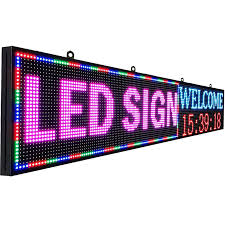
The core element of an LED display is the LED module. The manufacturing process commences with selecting high-quality LEDs, which are categorized mainly into SMD (Surface-Mount Device) and DIP (Dual In-line Package). SMD LEDs, preferred for fine pitch indoor displays, offer superior color consistency and wider viewing angle (up to 160° horizontally and vertically), while DIP LEDs are robust and ideal for outdoor installation due to higher brightness and better heat dissipation.
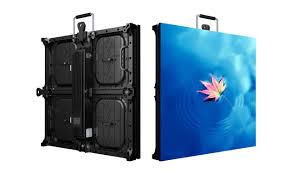
An essential step involves the precise placement of LEDs on a Printed Circuit Board (PCB), followed by soldering under strict temperature control to prevent defects such as cold solder joints or thermal stress. The selection of PCB material (typically FR-4 or metal core for better heat conduction) impacts the module’s lifespan and performance stability.
Advanced manufacturers implement automated optical inspection (AOI) using machine vision systems to guarantee pixel integrity and uniformity, reducing manual inspection errors. Furthermore, encapsulation processes using silicone or resin protect LED chips from environmental factors, with IP rating systems (such as IP65 or above) ensuring water and dust resistance, essential for outdoor screens.
Technical Parameters and Performance Metrics
To deliver professional-grade LED display products, attention to critical technical parameters is paramount:
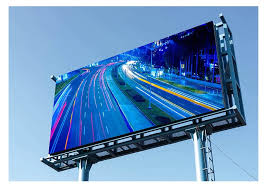
- Pixel Pitch: Defined as the distance between the centers of adjacent pixels. A smaller pixel pitch (e.g., 1.2mm to 4mm) facilitates higher-resolution indoor displays, while larger pitches (10mm to 20mm) suit outdoor signage.
- Brightness: Outdoor LED screens typically demand luminance levels exceeding 5,000 nits to combat sunlight glare, whereas indoor displays operate effectively at 800-1,200 nits.
- Refresh Rate: High refresh rates (≥1920Hz) are crucial to ensure smooth visual performance and reduce flicker, particularly important for video content and live broadcasting.
- Color Accuracy and Depth: Utilizing 14-bit or higher grayscale control improves color transitions and gradations. Calibration via colorimeters ensures conformity with industry standards such as Rec.709 or DCI-P3 color spaces.
- Viewing Angle: High-quality LED screens maintain consistent brightness and color across wide viewing angles, minimizing image distortion or color shift.
Quality Control and Industry Standards
Establishing stringent quality control protocols is fundamental. Manufacturers adhere to internationally recognized standards such as IEC 60598 for electrical safety and IEC 62471 for photobiological safety of lamps and lamp systems. Environmental and durability tests include thermal cycling to verify operation over a temperature range (-20°C to +60°C), humidity resistance, and mechanical shock tests.
Reliability assessments encompass Mean Time Between Failures (MTBF), with quality LED displays achieving MTBFs over 100,000 hours, which translates into years of uninterrupted operation.
Furthermore, compliance with EMC (Electromagnetic Compatibility) standards prevents interference with surrounding electronic devices, vital for integration into complex urban environments or event installations.
Recent Technological Innovations
Recent breakthroughs such as mini-LED and micro-LED technologies promise greater pixel density and energy efficiency. These emerging approaches push the boundaries of display resolution while reducing power consumption.
Integration with AI-based calibration ensures real-time optimization of brightness and color balance, adapting dynamically to ambient lighting conditions, thereby enhancing viewer experience.
Conclusion
The manufacturing of LED displays demands a comprehensive understanding of materials, technical parameters, and quality standards. Only by combining cutting-edge technology, meticulous production processes, and rigorous testing can manufacturers deliver durable, high-performance LED displays that serve diverse global applications. Adhering to international standards not only ensures safety and reliability but also positions products competitively in a rapidly evolving market. As technologies continue to evolve, ongoing innovation and quality assurance will be key drivers in advancing LED display capabilities for the future.













