

Taxi Top LED Display Price: Comprehensive Analysis and Industry Insights
In recent years, taxi top LED displays have become a prominent advertising medium due to their high visibility and dynamic content capabilities. As urban environments grow denser and competition for consumer attention intensifies, taxi top LED displays offer advertisers a mobile and impactful platform. Understanding the pricing of these LED displays is crucial for fleet operators, advertisers, and manufacturers aiming to maximize returns on investment while ensuring quality and reliability.
Key Factors Influencing Taxi Top LED Display Price
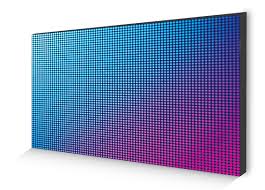
The pricing of taxi top LED displays depends on multiple technical and operational parameters:
1. Display Size and Resolution
Taxi top LED displays typically range from 1.2 to 2.5 square meters. The resolution, defined by pixel pitch (usually between 4mm and 10mm), directly impacts image clarity and price. Smaller pixel pitches yield finer images but increase manufacturing costs. According to international standards such as IEC 62471 (Photobiological Safety) and EN 62471, maintaining safety while achieving optimal brightness is essential.
2. Brightness and Viewing Angle
Outdoor taxi top displays require brightness levels between 5,000 and 7,000 nits to maintain visibility under direct sunlight (per the Display Industry Association’s recommendations). A wide viewing angle (up to 160° horizontal and vertical) ensures visibility from multiple street perspectives, influencing LED chip quality and driver circuitry costs.
3. Control System and Connectivity
Modern taxi displays integrate IoT-enabled control units supporting 4G/5G or Wi-Fi for real-time content management and performance monitoring. The complexity and robustness of control hardware and software architectures contribute notably to overall cost.
4. Power Consumption and Heat Management
Energy efficiency is crucial for moving vehicles. LED suppliers utilize SMD (Surface-Mount Device) technology for lower power consumption without compromising brightness. Effective heat dissipation designs extend product life and reduce maintenance, affecting material and engineering expenses.
5. Durability and Certification
Since taxi tops are exposed to various weather conditions, displays must be rated IP65 or higher for water and dust resistance, conforming to IEC 60529 standards. Shock and vibration resistance, compliant with transportation industry protocols such as ISO 16750, are also vital and factored into pricing.
Market Price Ranges and Cost Breakdown
As of 2024, the average market price for taxi top LED displays ranges from $1,500 to $5,000 per unit, depending on the above factors. For example:
- A basic 1.5 sqm display with 10mm pixel pitch and 5,000 nits brightness, modest control systems, and standard IP65 protection costs approximately $1,500-$2,000.
- Premium models with 4mm pixel pitch, 7,000 nits brightness, advanced IoT connectivity, and reinforced casing can reach $4,000-$5,000.
Manufacturing cost breakdown typically includes 50% for LED modules, 20% for control and power systems, 15% for enclosure and mechanical parts, and 15% for software, testing, and certification.
Case Study: Implementing Taxi Top LED Displays in a Metropolitan Fleet
A leading taxi company in Europe outfitted 500 cabs with custom taxi top LED displays featuring 6mm pixel pitch and 6,000 nits brightness. The project capitalized on an advanced cloud-based content management platform allowing dynamic ad delivery based on geolocation and time of day. The upfront cost per unit was approximately $3,200, including installation and warranty services. Within 12 months, the system generated a 25% increase in advertising revenue per taxi compared to static billboard alternatives, justifying the investment.
Future Trends and Technological Innovations
The evolving LED driver ICs and smarter software algorithms enhance display uniformity and power efficiency, potentially lowering future costs. Transparent and flexible LED screens could soon be integrated, offering new advertising dynamics at marginally higher prices but with enhanced visual impact. Additionally, sustainability factors such as recyclable components and lower energy consumption are increasingly incorporated, influencing cost structures and customer choices.
Conclusion
Accurately understanding taxi top LED display pricing involves evaluating technical specifications, environmental adaptation, and operational management features. Industry experience shows that investing in higher resolution, brightness, and connectivity pays off through enhanced advertising effectiveness and reduced maintenance. Operators should select vendors adhering to international standards such as IEC 62471, IEC 60529, and ISO 16750 to ensure product durability and safety. As technological advancements continue, pricing strategies will adjust, underscoring the importance of regular market analysis for optimal capital allocation.













