

Advancements and Best Practices in LED Display Manufacturing for Optimal Performance
In the rapidly evolving world of digital signage and display technologies, LED display manufacturing stands at the forefront of innovation, offering unparalleled brightness, energy efficiency, and longevity. As a seasoned LED display engineer with extensive experience in both design and production, this article explores the latest advancements, critical technical parameters, and best practices essential for manufacturing high-quality LED screens that meet global standards and industry expectations.
Understanding the Core Components of LED Displays
An LED display comprises several critical elements: the LED diodes themselves, the driver ICs, the printed circuit boards (PCBs), power supplies, and the control system. The quality and integration of these components directly influence the screen’s performance in brightness, contrast, color accuracy, and durability.
- LED Diodes: Modern displays predominantly use surface-mount device (SMD) LEDs or through-hole LED packages. SMD LEDs (e.g., SMD 2121 or SMD 3535 configurations) enable finer pixel pitches, offering resolutions suitable for close-view applications.
- Driver ICs: Key to managing current flow, driver ICs such as the MBI5026 or ICN2053 ensure consistent brightness and prevent pixel burnout. Selecting ICs with low heat generation and high precision plays a vital role in long-term reliability.
- PCBs: High-quality FR-4 substrates with multilayer designs optimize signal integrity and heat dissipation. Proper PCB design minimizes electromagnetic interference (EMI) and ensures uniform current distribution across LED arrays.
Technical Parameters Influencing LED Display Performance
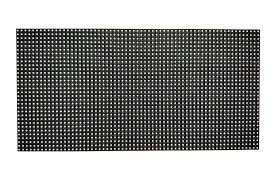
1. Pixel Pitch and Resolution: Pixel pitch – the distance between the centers of adjacent pixels – is pivotal. Fine pixel pitches of 1.9mm to 3mm cater to indoor environments requiring high-definition imagery, such as control rooms or retail displays. Conversely, larger pitches (10-20mm) suit outdoor applications where viewing distance is greater.
2. Brightness and Contrast Ratio: Adhering to industry benchmarks such as those outlined by the International Electrotechnical Commission (IEC standards IEC 62087) ensures accurate evaluation of luminance. Typical indoor LED displays achieve brightness levels of 800 to 1500 nits, whereas outdoor displays require 5000+ nits to combat sunlight glare.
3. Color Accuracy and Refresh Rate: A high refresh rate (>1920 Hz) mitigates flickering issues, crucial for high-speed video and broadcast applications. Calibration using colorimeters adhering to the CIE 1931 color space guarantees that colors meet customer specifications and consistency across multiple units.
4. Power Consumption and Thermal Management: Efficient power supplies and thermal solutions such as heat sinks and active cooling extend lifespan. The implementation of energy-saving driving modes aligns with global standards like Energy Star, reducing operational costs.
Manufacturing Best Practices
- Component Sourcing: Partnering with reputable component manufacturers ensures reliability. For example, sourcing LEDs from Nichia or Osram guarantees consistent luminance and chromaticity.
- Precision Assembly: Automated pick-and-place machines combined with reflow soldering enhance assembly accuracy, crucial for maintaining the integrity of fine-pitch displays.
- Quality Control: Implementing a Six Sigma quality management system reduces defects. Testing protocols include accelerated aging tests, color uniformity scans, and waterproofing verification for outdoor units.
- Environmental Compliance: Manufacturing processes must align with RoHS and REACH directives to minimize toxic materials and environmental impact.
Case Study: Delivering a High-Resolution Control Room Display
In a recent project involving a 4K LED video wall with 1.9mm pixel pitch, the engineering team emphasized tight control over brightness uniformity and color calibration across 16 panels. By integrating advanced driver ICs with real-time dynamic current adjustment, the final product achieved a contrast ratio exceeding 5000:1 and maintained a refresh rate of 3840Hz, ensuring flicker-free high-definition video output.
Through rigorous testing under operational and environmental stress conditions, the display demonstrated robust performance with minimal brightness degradation over 10,000 hours of operation, confirming the value of meticulous material selection and manufacturing discipline.
Future Trends and Innovations
The LED display industry is rapidly moving toward microLED technologies, boasting superior brightness and efficiency without the limitations of traditional LED packages. Additionally, integration of AI-driven calibration processes and IoT-enabled monitoring promises enhanced maintenance capabilities and performance optimization over the product lifecycle.
Conclusion
Manufacturing LED displays is a complex interplay of material science, engineering precision, and adherence to industry standards. By focusing on component quality, technical parameters such as pixel pitch, brightness, and refresh rate, alongside stringent quality practices, manufacturers can deliver superior, reliable LED display solutions. These products not only meet diverse application requirements but also stand the test of time in demanding operational environments.
Experts and manufacturers seeking to excel in LED display production must continue investing in research, technological innovation, and standardized quality assurance to maintain competitiveness and meet the evolving needs of international markets.













