

Advanced Technologies and Practical Applications in LED Display Manufacturing
LED display technology has become integral to modern visual communications, offering unparalleled brightness, color fidelity, and versatility across myriad applications. From outdoor advertising billboards and sports arenas to control rooms and retail displays, the advancement in LED manufacturing techniques defines the competitive edge in display performance and longevity.
Core Components and Technical Parameters
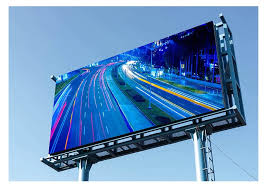
At the heart of LED displays lies the Light Emitting Diode itself—semiconductor diodes that emit light when electricity passes through. Key technical parameters of LED displays include pixel pitch (distance between pixels), brightness (measured in nits or cd/m²), contrast ratio, refresh rate, and color depth. For instance, fine-pitch LED displays employed in indoor environments typically feature pixel pitches ranging from 0.9mm to 2.5mm to ensure high-resolution imagery, while outdoor displays use pixel pitches from 4mm up to 20mm for visibility over greater distances.
Typical indoor LED panels achieve brightness levels of approximately 800 to 1,500 nits, which is sufficient for environments with controlled lighting, whereas outdoor LED modules can reach 5,000 to 10,000 nits to overcome direct sunlight glare. Refresh rates generally exceed 1920Hz to eliminate flicker effects on cameras and ensure smooth motion video playback, a crucial aspect for broadcast and live events.
Latest Trends in LED Display Manufacturing
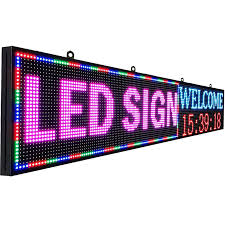
Recent innovations focus on mini-LED and micro-LED technologies, pushing pixel densities to new heights and enabling display dimensions to be more flexible without sacrificing image quality. Micro-LED displays boast benefits including higher contrast ratios, lower power consumption, and longer lifespans compared to conventional LCDs and OLEDs. Additionally, manufacturers are integrating AI-driven calibration and real-time monitoring systems to optimize display performance dynamically and extend module lifespan by detecting dead pixels, correcting color shifts, and adjusting brightness.
Another growing trend is the adoption of modular and curved LED panel designs, expanding creative possibilities for architectural installations and immersive event environments. Waterproof and dustproof standards—commonly rated as IP65 or above—have become industry norms for outdoor displays to ensure longevity and stable performance under harsh conditions.
Practical Applications
LED displays find versatile use cases across sectors. In retail and advertising, they provide high-impact visuals for promotional campaigns and brand messaging. Stadiums and concert venues use large-format LED screens to deliver vivid replays and engaging content to thousands of spectators. Control rooms in sectors such as transportation, utilities, and emergency services employ LED displays for critical monitoring with high reliability and clarity.
Healthcare environments utilize LED screens for informational displays and telemedicine interfaces, benefiting from the technology’s excellent color reproduction and reduced eye strain. In education, interactive LED video walls enhance engagement through vivid, hands-on presentations.
Advantages Over Other Display Technologies
Compared to LCD or projection displays, LEDs offer superior energy efficiency, longer operational lifespans (often exceeding 100,000 hours as per industry standards such as IEC 62717), and excellent visibility under bright ambient light without the need for external light sources. The robustness against environmental factors—temperature fluctuations, humidity, and physical impacts—makes LEDs highly suitable for demanding settings.
Furthermore, LEDs support wide viewing angles exceeding 140 degrees, ensuring consistent image quality from diverse perspectives. Their fast response times eliminate motion blur, an advantage critical for dynamic content and live broadcasts.
Common Challenges and Solutions
Despite numerous advantages, LED displays can encounter challenges such as pixel failure, uneven brightness, color inconsistencies, and heat dissipation issues. Manufacturers address these with rigorous quality control measures, including burn-in testing, automated optical inspection (AOI), and adopting high-quality semiconductor packages. Thermal management is optimized using heat sinks, cooling fans, or advanced materials with superior thermal conductivity to maintain optimal operating temperatures and prevent premature degradation.
Power supply reliability remains critical; redundant power design and surge protection conforming to IEC 61000-4 series standards help safeguard displays from electrical faults and extend operational stability.
Conclusion
LED display technology continues to evolve rapidly, driven by innovations in semiconductor design, materials science, and intelligent control systems. Its combination of high brightness, exceptional color accuracy, robustness, and scalability makes it indispensable across various industries. Adhering to industry standards and focusing on precision manufacturing ensures that LED displays deliver reliable, visually stunning, and energy-efficient solutions tailored to an increasingly digital and visually oriented world.













