

Advanced Techniques and Best Practices in LED Display Manufacturing for Superior Performance and Longevity
In the rapidly evolving field of digital display technology, LED (Light Emitting Diode) displays have established themselves as a predominant solution for diverse applications ranging from indoor advertising panels to massive outdoor stadium screens. The manufacturing process of LED displays requires a deep understanding of component selection, assembly methods, and stringent quality standards to ensure optimal performance, durability, and visual excellence. This article offers an in-depth exploration of advanced techniques and best practices in LED display manufacturing, focusing on both technical parameters and practical applications. It draws on industry standards, case studies, and expert experience to guide engineers, manufacturers, and stakeholders toward producing high-quality, reliable LED display systems.
Fundamental Components and Materials in LED Displays
An LED display typically comprises three integral components: the LED light source, the driver circuitry, and the display panel structure.
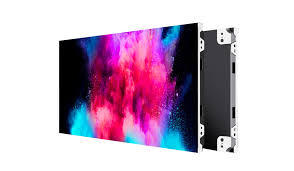
- LED Chips: The foundational element is the semiconductor LED chip, usually composed of gallium nitride (GaN) for blue and green LEDs or aluminum gallium indium phosphide (AlGaInP) for red LEDs. The selection of LED chips determines color gamut, luminous intensity, and lifespan. Modern high-brightness LEDs boast luminous efficacy exceeding 150 lm/W, vital for energy-efficient displays.
- Printed Circuit Boards (PCBs): PCBs serve as the platform for LED mounting and electrical connections. Commonly, high-frequency, flame-retardant materials such as FR4 or aluminum-based PCBs are used, with a focus on excellent thermal conductivity to manage heat dissipation.
- Driver ICs and Electronics: Driver integrated circuits control the current supplied to each LED, which is crucial for color accuracy and consistency. Advanced driver ICs support features like grayscale processing and high refresh rates (up to 3840Hz or more) to avoid flicker and provide smooth visuals, aligning with standards such as those set by the International Electrotechnical Commission (IEC).
Manufacturing Process and Quality Assurance
The manufacturing workflow encompasses several critical stages that influence the display’s overall quality:
1. LED Bin Sorting: Sorting LEDs by brightness and color temperature (binning) ensures uniformity across the display, reducing visual inconsistency. Many manufacturers utilize automatic binning machines that categorize LEDs based on strict parameters defined by JEDEC standards (e.g., JESD51 for thermal testing).
2. PCB Assembly and Mounting: Surface-mount technology (SMT) is predominantly used for placing and soldering LED chips onto PCBs. Precision machinery guarantees placement with sub-0.05mm tolerance to avoid misalignment, which could impair image quality.
3. Encapsulation and Protective Coating: To protect diodes from environmental stress, manufacturers apply transparent encapsulants such as silicone resin, which provide UV resistance and moisture protection without compromising light transmission.
4. Module Assembly and Calibration: Modules consisting of arrays of LED PCBs are assembled with mechanical frames. Calibration ensures color and brightness uniformity using automated photometric systems.
5. Testing Protocols: Rigorous testing includes thermal cycling (per IEC 60068-2-14), humidity resistance tests, and optical performance evaluations (brightness, contrast ratio, viewing angle). Initial failure rates (IFR) targets in advanced factories can be below 0.02%, underscoring strict quality control.
Thermal Management – A Crucial Factor for Longevity
LEDs generate heat proportional to their power consumption, and inadequate heat dissipation can cause accelerated aging and color shift. Effective thermal management strategies include:
- Utilizing aluminum PCBs with thermal vias to facilitate heat conduction away from the LED junction.
- Integrating heat sinks and, in high-power outdoor displays, active cooling mechanisms.
- Applying thermal interface materials (TIMs) with high thermal conductivity (e.g., >5 W/m·K) to improve heat transfer between components.
Emerging Innovations and Trends
Recent advances are reshaping LED manufacturing:
- Mini-LED and Micro-LED Technologies: These focus on smaller LED dies, enabling higher pixel densities and improved HDR performance. Production challenges involve ultra-precise die placement and transfer methods such as pick-and-place using mass transfer platforms.
- Smart Displays with AI Calibration: Some modern displays integrate AI-driven color correction algorithms, adapting in real-time to ambient lighting and content type to optimize viewer experience.
- Sustainable Manufacturing: Emphasis on reducing waste and using eco-friendly materials aligns with global initiatives like the Restriction of Hazardous Substances (RoHS) directive.
Case Study: Implementation in Outdoor Advertising Displays
A leading global manufacturer enhanced their outdoor LED screens by adopting a combination of high-grade GaN LEDs, sophisticated thermal management, and AI-based calibration. The result was a 30% increase in display brightness, 20% extension in operational lifespan, and a marked improvement in energy efficiency—aligning with client demands for both visual impact and cost-effectiveness.
Standards and Compliance
Adherence to international standards is vital for the global marketability of LED displays:
- IEC 62031 – Covers LED modules for general lighting, pertinent for ensuring safety and performance.
- UL 8750 – Defines safety requirements for LED equipment.
- Energy Star Certification – Relevant for energy-efficient display products.
- Compliance with IP ratings (Ingress Protection) certifies the robustness of outdoor display modules against dust and water ingress.
Conclusion
Producing premium LED displays demands rigorous control over numerous technical parameters, from LED binning and PCB selection to advanced thermal management and calibration methods. Industry experts recommend continuous investment in innovative production technologies, adherence to stringent quality standards, and sustainable manufacturing practices to stay competitive in the global market. By embracing these best practices, manufacturers can deliver vibrant, durable, and energy-efficient LED display solutions tailored to a broad spectrum of applications.
The future of LED display manufacturing lies in leveraging micro-LED technology, AI integration, and eco-conscious materials to meet rising consumer expectations for visual quality, reliability, and environmental responsibility.
References:
- International Electrotechnical Commission (IEC) Standards: IEC 62031, IEC 60068-2 series
- JEDEC Solid State Technology Association, JESD51-51 Thermal Characterization
- UL Standards: UL 8750 - Standard for Safety of LED Equipment
- Energy Star Program Requirements for Displays, EPA
- "Thermal Management of High Power LEDs," Hossein T. Nilghaz, Journal of Electronics Cooling and Thermal Control, 2021
- Case Study, Leyard Optoelectronics – Outdoor LED Display Technological Enhancements, 2023













