

Advanced LED LCD Display Technology: Applications, Advantages, and Emerging Trends
In the ever-evolving realm of display technologies, LED LCD screens have firmly established themselves as a cornerstone for diverse applications ranging from consumer electronics to large-scale commercial installations. As a professional LED display engineer with extensive industry experience, this article provides a comprehensive overview of LED LCD technology, emphasizing practical applications, advantages, common challenges, and cutting-edge advancements.
Understanding LED LCD Display Technology
LED LCD (Light Emitting Diode Liquid Crystal Display) technology merges the benefits of LED backlighting with liquid crystal panels to deliver vivid images with high contrast and energy efficiency. Unlike traditional CCFL (Cold Cathode Fluorescent Lamp) backlights, LED backlights provide improved brightness, longer lifespan, and better color accuracy. Typically, LED LCD screens utilize an array of light-emitting diodes positioned either as edge-lit or direct-lit backlights. The choice affects parameters such as uniformity and power consumption.
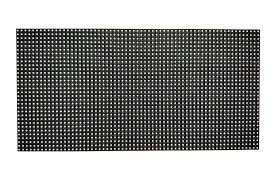
Key technical specifications include:
- Resolution: Full HD (1920×1080), 4K UHD (3840×2160), and even up to 8K in latest models.
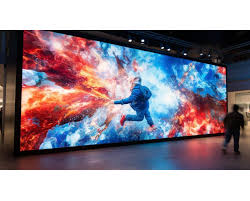
- Brightness: Ranges from 300 cd/m² for indoor displays to 2000 cd/m² or higher for outdoor screens.
- Contrast Ratio: Typically between 1000:1 to 5000:1, influenced by panel type (IPS, VA).
- Response Time: Between 1ms to 8ms, critical for high-motion content.
- Power Consumption: LED backlighting can reduce energy usage by up to 30%-50% compared to CCFL.
Practical Applications
1. Consumer Electronics: Modern televisions, computer monitors, laptops, and mobile devices rely heavily on LED LCD technology for superior image quality combined with energy efficiency. For instance, market research from DisplaySearch (2023) reports that over 85% of global monitor shipments employ LED backlit LCD panels.
2. Digital Signage and Advertising: LED LCD displays are preferred for indoor and outdoor advertising due to their brightness and durability, with brightness levels exceeding 1500 nits for visibility in daylight. Edge-lit designs allow for thinner screens that integrate seamlessly into various environments.
3. Medical Imaging: High-resolution LED LCDs with precise color reproduction support diagnostic imaging, surgical displays, and telemedicine. A study published in the Journal of Medical Imaging (2022) highlights the importance of color accuracy (measured by Delta E< 3) in improving diagnostic confidence.
4. Industrial and Automotive Displays: LED LCDs are integrated into control panels, dashboards, and infotainment systems, requiring displays that perform reliably in wide temperature ranges (-20°C to +70°C) and exhibit high durability.
5. Broadcast and Event Screens: With fast response times and high refresh rates (up to 240Hz), LED LCDs are ideal for live streaming, sports broadcasting, and video walls, where motion clarity is paramount.
Advantages
- Superior Brightness and Color: LED backlighting provides a wider color gamut and higher luminance compared to CCFL, enabling vivid and dynamic images.
- Energy Efficiency and Longevity: LED backlights consume less power and offer longer operating life (>50,000 hours), reducing total cost of ownership.
- Slim and Lightweight Design: Enables ultra-thin form factors desirable in modern consumer electronics and architectural integration.
- Environmental Benefits: LEDs contain no mercury and are more environmentally friendly compared with CCFL.
- Improved Thermal Management: LEDs generate less heat, lessening the need for extensive cooling architectures.
Common Challenges and Solutions
Despite numerous advantages, LED LCD displays face several challenges:
- Backlight Bleeding and Uniformity Issues: Edge-lit LED designs may suffer from uneven brightness, particularly at lower brightness levels. Direct LED backlighting or local dimming technology mitigates this by selectively controlling zones to improve black levels.
- Color Shift Off-Angle: IPS panels provide superior viewing angles but may introduce lower contrast compared to VA panels. Manufacturers optimize phosphor compositions and polarizer films to enhance off-axis color stability.
- Burn-in and Image Retention: Although less prevalent than in OLED displays, prolonged static content can cause temporary image retention on LED LCDs. Implementing screen savers and pixel shifting algorithms can reduce this effect.
- Cost: High-end LED local dimming implementations and 8K resolution panels still carry a premium. However, mass production and technological advancements continue to drive down costs.
Latest Trends
- Mini and Micro LED Integration: By combining LCD panels with Mini and Micro LED backlighting, manufacturers achieve unparalleled contrast ratios and HDR performance. Micro LED arrays enable thousands of locally dimmable zones, vastly enhancing black level precision. Companies like Samsung and Sony are pioneering these displays, targeting premium televisions and professional monitors.
- Quantum Dot Enhancement: The integration of quantum dot films in LED LCD displays expands the color gamut beyond the Rec. 2020 standard, approaching 90-100% coverage. This technology is widely adopted in commercial 4K and 8K TVs to deliver breathtaking color accuracy.
- Advanced Local Dimming Algorithms: New AI-based dimming algorithms improve brightness uniformity and reduce halo effects, ensuring crisp images with high dynamic range.
- Flexible and Transparent LED LCDs: Research and prototype efforts are focused on bendable and transparent panels, opening new possibilities in automotive HUDs, smart windows, and wearable displays.
- Sustainability Focused Manufacturing: Manufacturers are increasingly adopting eco-friendly materials and recycling practices aligned with global environmental standards (e.g., RoHS, WEEE).
Conclusion
LED LCD display technology remains at the forefront of visual solutions across a diverse spectrum of industries. Its versatility is bolstered by continuous innovation in backlighting, panel design, and processing algorithms. For engineers and manufacturers, understanding the interplay of technical parameters and real-world applications is key to delivering high-performance, reliable, and cost-effective displays. As emerging technologies like Mini LED and quantum dot enhancements mature, LED LCD screens will continue to provide richer, more immersive viewing experiences well into the future.
References
- VESA DisplayHDR Standards, Version 1.4 (2023)
- DisplaySearch Quarterly Monitor Shipment Report (Q1 2023)
- Journal of Medical Imaging, “Color Accuracy in Radiological Displays”, Vol 9, Issue 2, 2022
- Samsung Semiconductor Whitepaper on Micro LED Technology (2023)
- International Electrotechnical Commission (IEC) Environmental Standards on Display Manufacturing













