

Advanced Techniques and Standards in LED Display Manufacturing for Optimal Performance
LED display technology has significantly evolved over the past decade, enabling a wide range of applications from large-scale outdoor advertising to intricate indoor control rooms. As an experienced LED display engineer, I can attest that understanding the detailed manufacturing processes, industry standards, and technical parameters is essential for producing displays that meet the highest standards of performance, durability, and visual quality.
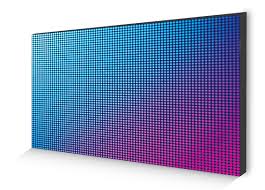
The core of LED display manufacturing involves the precise assembly of Light Emitting Diodes (LEDs) onto a panel substrate, with each diode serving as a pixel element. The quality and uniformity of these LEDs directly influence the display’s brightness, contrast ratio, and color accuracy. High-end products typically utilize surface-mount device (SMD) LEDs known for their compact size and wide viewing angles, with pitch sizes ranging from P0.9 (0.9 mm) for ultra-fine pixel pitches to P10 (10 mm) for large-format outdoor screens. The pixel pitch defines the distance between the center of two adjacent pixels, where smaller pitches yield higher resolution and finer image details, critical in control room displays and medical imaging.
In manufacturing, strict adherence to international standards ensures consistency and reliability. For instance, the IEC 62471:2006 standard outlines photobiological safety requirements for LED devices to prevent eye damage, while the ISO 9241-307 standard addresses the ergonomics of visual displays, specifying metrics such as luminance, contrast, and flicker. Compliance with these standards guarantees that the final LED display products are safe and comfortable for human interaction.
A crucial step is the Curve Tolerance and Brightness Calibration phase. By employing automated luminance meters and spectroradiometers during production, manufacturers can adjust the voltage applied to each LED to achieve uniform brightness across the panel. An acceptable variance is within ±5%, ensuring consistent color and brightness that result in a seamless image. This calibration is often supported by embedded firmware that allows real-time brightness adjustments post-installation, compensating for LED aging or environmental changes.
Thermal management represents another key aspect of LED display engineering. LEDs generate heat that, if uncontrolled, can degrade lifetime and color consistency. Innovative heat dissipation methods involve aluminum backplates and heat sinks, combined with active cooling systems in high-brightness outdoor applications. For example, manufacturers utilize Finite Element Analysis (FEA) simulation to optimize heat flow in the panel design, which enhances overall reliability and reduces downtime.
Durability and weather resistance are paramount for outdoor LED displays. The IP65 or higher Ingress Protection rating, conforming to IEC 60529, ensures that the panels resist dust and water ingress, enabling reliable operation in harsh conditions. Advanced encapsulation technologies and gasketing also preserve component integrity against UV radiation and corrosion.
Industry-leading case studies illustrate these principles in practice. The Times Square digital billboards employ extremely fine pitch LEDs combined with dynamic contrast enhancement, ensuring vibrant and clear video content visible even in full daylight. Similarly, major sporting venues now favor LED displays with high refresh rates (up to 3840 Hz) to eliminate flicker, providing smooth motion rendering critical for broadcast quality.
In conclusion, producing LED displays that excel requires integrated expertise in semiconductor technology, thermal dynamics, optical calibration, and compliance with global standards. By investing in precision manufacturing techniques, rigorous testing procedures, and innovative materials, manufacturers can deliver displays that not only meet but often exceed performance expectations, ensuring long life, superior visual quality, and user safety. This level of professional engineering marks the difference between average and top-tier LED display solutions in the competitive market.













