

Advancements and Best Practices in LED Display Manufacturing for Superior Visual Performance
The LED display industry has witnessed remarkable advancements over the past decade, driven by rapid technological progress and increasing demand for high-resolution, energy-efficient, and durable screens. As an experienced LED display engineer, I will provide a comprehensive overview of key aspects in LED LCD screen manufacturing, emphasizing parameters, quality standards, and emerging trends that ensure superior visual performance across diverse applications.
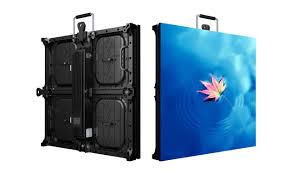
At its core, an LED display consists of an array of tiny light-emitting diodes, each capable of producing precise colors and brightness levels. Modern displays utilize surface-mounted device (SMD) LEDs, which combine red, green, and blue chips into a single package, enabling fine pixel pitch capabilities (down to 0.8mm). This fine pitch is essential for indoor ultra-high-definition displays aiming at pixel densities exceeding 1.5 million pixels per square meter, delivering crystal-clear images even at close viewing distances.
Manufacturing Parameters and Quality Standards
Key parameters in LED display manufacturing include brightness, contrast ratio, color gamut, refresh rate, and power consumption. Typical indoor LED panel brightness ranges between 800 to 1500 nits, while outdoor displays require up to 6000 nits to combat ambient sunlight. Contrast ratio exceeding 3000:1 is critical to produce deep blacks, particularly in HDR content. The color gamut should cover at least 95% of the REC.709 standard for accurate color reproduction, with DCI-P3 becoming increasingly important for cinema and high-end commercial displays.
Refresh rates of 3840 Hz or higher ensure flicker-free images especially crucial for video recording and broadcast environments. Power efficiency has improved significantly thanks to advancements in LED chip design and driver IC technologies, lowering power consumption by up to 30% compared to early models. This results in reduced operational costs and enhanced environmental sustainability, complying with international energy efficiency certifications like Energy Star and IEC 62087.
Manufacturing Best Practices
Adhering to rigorous manufacturing processes is pivotal to preventing pixel failures and ensuring uniform brightness and color consistency. The precision of the PCB (printed circuit board) and the use of reliable IC drivers (such as MBI series or Chip-On-Board types) enhance signal integrity and heat dissipation. Robust soldering techniques and automated optical inspection (AOI) systems help detect defects early in the production line.
Thermal management remains a critical issue; high-quality aluminum or copper backplanes combined with strategically placed heat sinks prevent overheating, maintaining LED lifespan beyond 100,000 hours. Encapsulation with UV-resistant, anti-moisture materials protects LEDs from environmental degradation, especially for outdoor installations.
Emerging Technologies and Industry Trends
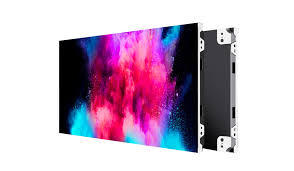
Micro LED technology is poised to revolutionize the display segment by offering remarkable contrast ratios, superior energy efficiency, and unparalleled color precision without the need for backlighting. Although still in early commercialization phases, Micro LED promises pixel pitches below 0.5 mm, suitable for large-scale applications like digital signage, augmented reality glasses, and ultra-thin televisions.
Another emerging trend is the integration of AI-driven calibration systems, which adjust brightness and color dynamically based on ambient light and content type, ensuring optimal viewing experiences. This is combined with IoT capabilities for remote diagnostics, predictive maintenance, and firmware updates that minimize downtime.
Moreover, manufacturers are increasingly adopting eco-friendly materials and recyclable components, responding to global sustainability initiatives spearheaded by organizations such as the Global e-Sustainability Initiative (GeSI).
Case Study: Commercial LED Displays in Transportation Hubs
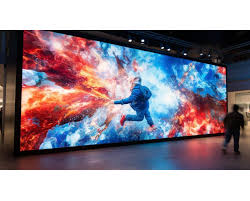
A recent project deploying LED displays in major international airports demonstrated the criticality of adhering to technical standards and quality control measures. The installation used LED modules with 1.25mm pixel pitch, 4000 nits brightness, and 3840 Hz refresh rate, meeting stringent requirements for clarity under diverse lighting conditions. The displays incorporated comprehensive thermal solutions and were calibrated via AI-assisted tools to optimize passenger information visibility and enhance advertising revenues.
Conclusion
The LED display manufacturing industry stands at the intersection of innovation and quality assurance. Mastery over technical parameters, adherence to international standards (such as IEC 60598 for luminaries, IEC 62368 for safety, and ISO 9001 for quality management), and incorporation of advanced technologies like Micro LED and AI-driven calibration define excellence in production. For global manufacturers and end-users alike, understanding these elements is crucial to achieving reliable, visually outstanding, and energy-efficient LED displays that address the needs of diverse environments, from corporate meeting rooms to large outdoor advertising facades.













