

Advanced LED LCD Screen Manufacturing: Techniques, Standards, and Industry Insights
In the fast-evolving world of display technologies, LED LCD screens have become a cornerstone for delivering vibrant visuals across diverse applications. From consumer electronics like smartphones and televisions to large-scale outdoor digital signage, the manufacturing of LED LCDs demands precision, technological expertise, and adherence to rigorous industry standards. This article delves into the critical aspects of LED LCD screen manufacturing, analyzing key technical parameters, production processes, and quality benchmarks essential for engineers and manufacturers striving for excellence.
Understanding the LED LCD Structure and Working Principle
LED LCD screens combine Liquid Crystal Display (LCD) technology with LED (Light Emitting Diode) backlighting to enhance brightness, contrast, and energy efficiency. Unlike traditional CCFL (Cold Cathode Fluorescent Lamp) backlights, LEDs offer superior luminance and color uniformity. The LCD layer modulates light selectively through liquid crystal molecules controlled by electrical fields, enabling the generation of sharp images.
Key technical parameters in LED LCDs include:
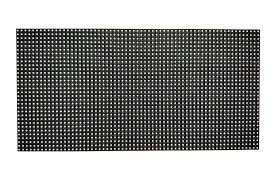
- Resolution: Commonly ranges from HD (1280x720) to 4K UHD (3840x2160), dictated by the pixel density (pixels per inch or PPI).
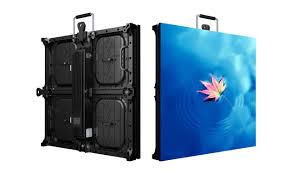
- Brightness: Measured in nits (cd/m²), typical values for indoor LED LCDs reach 300-500 nits, while outdoor screens demand over 1000 nits for visibility under direct sunlight (SID — Society for Information Display).
- Contrast Ratio: High contrast ratios (above 1000:1) enhance image depth and color vibrancy.
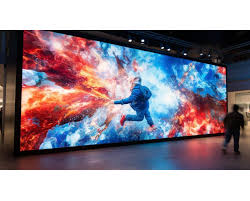
- Response Time: Optimal response times (under 5 ms) ensure smoother motion display, critical in video playback and gaming.
- Viewing Angle: Usually between 170° to 178°, minimizing color shift and brightness loss from wide viewing positions.
Manufacturing Processes and Quality Control
The production of LED LCD panels encompasses intricate steps requiring cleanroom environments and precision machinery:
1. Glass Substrate Preparation: Ultra-smooth glass substrates undergo chemical cleaning and anti-reflective coating to reduce glare and improve image clarity.
2. TFT (Thin Film Transistor) Layer Fabrication: This layer controls each pixel’s electrical voltage; it is deposited via photolithography involving materials like amorphous silicon or low-temperature polycrystalline silicon (LTPS) for higher resolution.
3. Liquid Crystal Injection and Alignment: After sealing, liquid crystal material is injected between substrates, followed by alignment using rubbing or photo-alignment techniques ensuring uniform molecular orientation.
4. LED Backlight Assembly: LEDs are arranged in arrays or edge-lit configurations. Manufacturers must select LED types (e.g., SMD LEDs with high luminous efficacy) considering heat dissipation and color gamut.
5. Module Integration and Driver IC Attachment: Integration of LED backlights with the LCD panel and the connection of driver ICs to manage pixel addressing and color reproduction.
Advanced quality control involves several inspection stages:
- Optical Inspection: Automated systems detect defective pixels, color uniformity discrepancies, and brightness inconsistencies based on ISO 13406-2 standards.
- Environmental Testing: Panels undergo thermal cycling and humidity tests to ensure durability under varied conditions per IEC 60068.
- Electromagnetic Compatibility (EMC) Testing: Ensures the device complies with international EMC directives, crucial for interference-free operation.
Industry Standards and Certifications
Adherence to international standards guarantees product reliability and market acceptance. Leading norms include:
- ISO 9241-307: Ergonomic requirements for electronic visual displays, focusing on luminance, contrast, and flicker-free performance.
- RoHS (Restriction of Hazardous Substances): Mandates limitation of hazardous elements, impacting soldering and materials selection.
- TÜV and UL Certification: Validate safety and performance under electrical and mechanical stress.
Those standards align with manufacturers’ commitments to environmental sustainability and product lifespan optimization.
Case Studies: Pioneering LED LCD Display Technologies
Leading companies like Samsung, LG Display, and BOE Technology have revolutionized LED LCD manufacturing utilizing key innovations:
- Quantum Dot Enhancement: Incorporating quantum dots in LED backlighting boosts color accuracy and expands the color gamut approaching Rec. 2020 standards.
- Mini-LED and Micro-LED Technologies: Miniaturized LEDs deliver finer local dimming zones, drastically improving contrast ratios and reducing bloom effects seen in conventional LED LCDs.
- Flexible and Transparent Displays: Advanced materials enable bendable or see-through displays, expanding wearable device and automotive HUD applications.
Incorporating these technologies demands reengineering manufacturing workflows, including precise deposition and encapsulation techniques and sophisticated driver IC algorithms.
Future Trends and Challenges
As consumer demands for higher resolution, greater energy efficiency, and thinner profiles intensify, manufacturers face continual challenges such as:
- Heat Management: High-brightness LEDs generate heat affecting panel longevity; novel thermal interface materials (TIMs) and heat sinks are essential.
- Supply Chain Stability: Rare earth elements and semiconductor materials’ availability directly impacts production costs and delivery timelines.
- Sustainability Initiatives: Circular economy approaches, including recyclable substrates and reduced hazardous waste, are becoming integral to manufacturing strategies.
Conclusion
Mastering LED LCD manufacturing requires a fusion of cutting-edge engineering, rigorous quality assurance, and compliance with global standards. The industry's trajectory leans heavily on innovation in materials science, backlighting technologies, and process automation. For display engineers and manufacturers committed to delivering top-tier LED LCD products, staying abreast of technological advancements and adhering to best practices is paramount to sustaining competitive advantage in a rapidly evolving market.
By understanding the technical nuances and complexities embedded in LED LCD screen production, industry professionals can ensure their outputs meet both user expectations and regulatory criteria, ultimately driving the future of visual display excellence.













