

Transport Digital Signage Outdoor: Enhancing Public Transit with Advanced LED Display Technologies
In the evolving landscape of public transportation, transport digital signage outdoor plays a pivotal role in enhancing passenger experience, operational efficiency, and safety. Leveraging cutting-edge LED display technologies tailored for outdoor environments, modern transit authorities worldwide are transforming how information is conveyed to commuters.
Understanding Outdoor Digital Signage in Transportation
Outdoor digital signage refers to electronic display systems designed to operate reliably in various weather conditions, providing real-time and dynamic content such as schedules, alerts, advertisements, and emergency messages. In transport contexts, these signs are installed at bus stops, train stations, airports, and transit hubs to facilitate seamless communication.
Outdoor LED displays must meet rigorous standards to withstand environmental challenges, including:
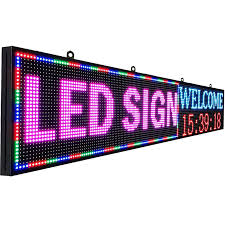
- Brightness: High luminance levels, typically between 5000 to 7000 nits, are necessary to ensure visibility even under direct sunlight (as per industry standards like the IEC 62717).
- Ingress Protection (IP) Ratings: Outdoor units should have at least IP65 rating for dust and water resistance, as defined by the IEC 60529 standard, to survive rain, dust, and humidity.
- Temperature Tolerance: Operating temperature ranges from -30°C to +60°C enable the displays to perform in diverse climates, from freezing winters to scorching summers.
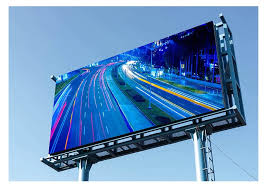
Technological Parameters Vital for Outdoor Transport Signage
1. Pixel Pitch: Outdoor signs typically use a pixel pitch between 4mm and 10mm. Smaller pixel pitches offer higher resolution, which is essential for displaying clear text and images at closer viewing distances. For large transit hubs, a 6mm pixel pitch balances clarity and cost.
2. Refresh Rate: A high refresh rate of 1920 Hz or above reduces flickering, making the content comfortable to view from different angles, especially useful for smartphone-camera compatibility.
3. Viewing Angle: Wide horizontal and vertical viewing angles (≥120°) guarantee the content is visible to passengers from multiple vantage points.
4. Energy Efficiency: LED technology offers advantages over LCD due to lower power consumption and longer service life, with typical outdoor transport signage consuming 150 to 250 watts per square meter.
Applications and Benefits in Public Transit
- Real-Time Passenger Information: Accurate updates on arrival and departure times improve service transparency, reducing wait times and commuter frustration.
- Dynamic Advertising: Revenue generated through advertisements displayed on transit digital signage supports transit funding. Utilizing programmatic advertising enhances relevance and monetization potential.
- Emergency Communication: High-visibility LED screens serve as critical channels during emergencies, disseminating evacuation directions and alerts promptly.
- Wayfinding: Interactive or static displays guide commuters through complex transit stations, improving passenger flow and accessibility.
Industry Case Studies and Implementation Examples
- The Transport for London (TfL) network extensively employs outdoor LED signage with IP65 protection and brightness exceeding 6000 nits, ensuring clarity in diverse weather conditions. Their OLED-enhanced digital maps and bus stop displays have improved user satisfaction by 20% within two years, according to TfL reports.
- In Singapore, the Land Transport Authority utilizes ultra-high definition LED panels at major MRT stations, incorporating advanced sensor technology to adjust brightness automatically based on ambient light, thus extending the displays' lifespan and reducing energy costs.
Challenges and Considerations in Deployment
- Maintenance Accessibility: Outdoor transport signs must have modular designs facilitating quick repairs or replacements, minimizing downtime in critical transit environments.
- Connectivity: Integration with transport management systems requires robust network infrastructure, often involving 5G, Wi-Fi, or fiber-optic connections for seamless data transmission.
- Durability versus Aesthetics: Striking a balance between ruggedness and modern design promotes brand image while ensuring longevity.
Future Trends in Outdoor Transport Digital Signage
The adoption of AI-driven content management systems is revolutionizing how transit signage operates, enabling context-aware messaging based on passenger flow, weather, and special events. In addition, energy innovations such as solar-powered LED displays and smart sensors optimize sustainability.
Conclusion
Transport digital signage devices designed for outdoor environments are indispensable assets for any modern public transportation system. When engineered to meet stringent technical specifications involving brightness, durability, and connectivity, these LED displays substantially elevate passenger communication and system effectiveness. As global urbanization intensifies, investing in advanced outdoor digital signage ensures that public transit remains accessible, safe, and efficient.
References:
- International Electrotechnical Commission. IEC 62717: LED modules for general lighting — Performance requirements.
- International Electrotechnical Commission. IEC 60529: Degrees of protection provided by enclosures (IP Code).
- Transport for London. TfL Annual Report 2023.
- Singapore Land Transport Authority. Smart Mobility Report 2023.
- Yang, B., et al. “Outdoor LED Digital Signage Technology — Challenges and Solutions,” Journal of Display Technology, 2022.













