

Advanced Technologies and Manufacturing Processes in LED Display Screen Production
In the rapidly evolving field of visual display technology, LED (Light Emitting Diode) display screens have solidified their status as the preferred choice for a wide range of applications—from outdoor billboards and stadium screens to indoor commercial displays and control rooms. Understanding the intricacies of LED display manufacturing requires comprehensive knowledge of semiconductor materials, optical engineering, thermal management, and precision assembly processes. As a professional LED display engineer, this article offers an insightful, technical, and authoritative perspective on advanced LED display screen manufacturing technologies, backed by industry standards and practical case studies.
1. Introduction to LED Display Technology
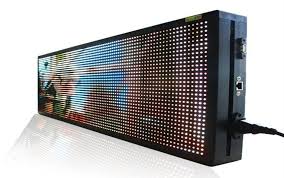
LED display screens comprise arrays of light-emitting diodes that produce illumination through semiconductor electroluminescence. The core advantage of LEDs lies in their high brightness, superior color rendering, long life span, energy efficiency, and modularity. From the earliest monochrome LED digit displays to today’s full-color, high-definition LED video walls, technology advancements continue to push the boundaries.
2. Technical Parameters and Standards
Manufacturers and engineers adhere to stringent technical standards to ensure reliability, performance, and seamless integration.
- Pixel Pitch: Defines the distance between the centers of adjacent LEDs; critical for resolution and viewing distance. Typical pixel pitch ranges from 0.8mm (fine pitch for indoor displays) up to 10mm or more (outdoor large format displays). For example, SMD (Surface Mount Device) LEDs with a 1.5mm pitch are common for indoor HD screens.
- Brightness: Measured in nits (cd/m²), indoor LEDs typically have brightness between 800-1500 nits; outdoor displays require 5000-8000+ nits for sunlight readability. High brightness levels are achieved through optimized LED chip selection and power control.
- Refresh Rate: Minimum 1920Hz refresh rate recommended by standards like ISO 13406-2 to prevent flicker on camera recording and human eye fatigue.
- Contrast Ratio: Higher contrast ratios (upwards of 3000:1) improve image depth and clarity, achieved through advanced LED driver ICs and optical layering.
- Viewing Angle: Horizontal and vertical viewing angles usually span 120 to 160 degrees to offer wide-angle visibility without color distortion.
3. Semiconductor LED Chip Fabrication
The foundation of LED display panels is the quality of LED chips themselves. Most chips use gallium nitride (GaN) or gallium arsenide phosphide (GaAsP) materials on sapphire substrates. Advanced manufacturing implements epitaxial growth processes like MOCVD (Metal-Organic Chemical Vapor Deposition) to deposit multilayer semiconductor structures with precise thickness control down to nanometers.
Reliability testing includes high-temperature operating life (HTOL) to assess chip durability under continuous operation, ensuring LEDs meet long expected lifetimes of 50,000 to 100,000 hours.
4. LED Module and Cabinet Assembly
LED modules are subunits containing arrays of LEDs, drivers, and control electronics, assembled onto printed circuit boards (PCBs). Several key processes include:
- PCB Design: Copper thickness (typically 1oz to 3oz copper layers) and multi-layer board structures are designed to optimize heat dissipation and signal integrity.
- Component Placement: High-speed pick and place machines position LEDs with micron-level accuracy, critical for consistent pixel alignment and image uniformity.
- Soldering Process: Reflow soldering under tightly controlled thermal profiles ensures electrical connectivity without damaging sensitive LEDs.
- Encapsulation and Optics: Protective coatings and lenses help control light distribution, minimize water ingress, and enhance durability.
Cabinets are then built by joining modules within a robust frame incorporating cooling fans, power supplies, and signal processors, with tight mechanical tolerances for seamless mosaic displays.
5. Thermal Management
One of the most significant challenges in LED display manufacturing is thermal dissipation. LED brightness and lifetime degrade exponentially with temperature increases.
- Passive Cooling: Use aluminum alloy heat sinks with large surface areas and fins to conduct heat away.
- Active Cooling: Incorporates fans or liquid cooling systems especially for high-power outdoor installations.
- Thermal simulation software drives the design process, predicting temperature gradients and optimizing cooling channels.
6. Quality Control and Calibration
Ensuring each LED module and complete display meets uniformity standards requires thorough color calibration and brightness adjustment:
- Photometric measurement tools and spectroradiometers analyze output at each pixel.
- Automated calibration systems adjust drive currents on a pixel basis to maintain color consistency (e.g., to CIE 1931 color space standards).
- Functional testing includes environmental stress screening, impact resistance tests (IP ratings like IP65 for weatherproof designs), and EMI compatibility (IEC 61000 series).
7. Innovations and Future Trends
The industry continuously adopts innovations such as mini-LED and micro-LED technologies, which shrink pixel pitches below 0.5mm, enabling near-retina display quality for indoor applications.
Other advances include:
- Integration of HDR (High Dynamic Range) for expanded color gamuts and contrast.
- Use of AI-driven content management to dynamically adapt brightness and content according to ambient environments.
- Development of flexible and curved LED displays incorporating flexible PCB materials and robust encapsulation.
Case Study: Deployment of a 4K Outdoor LED Screen in a Sports Arena
A recent project involved fabricating a 12m x 6m LED screen with 6mm pixel pitch delivering 8000 nits brightness, designed to withstand harsh weather conditions.
- Implementation of high-refresh drivers (3840Hz) eliminated flicker in HD video capture.
- Multi-layer heat dissipation structure extended operational life in extreme summer conditions exceeding 45°C.
- Modular design enabled rapid on-site maintenance, reducing downtime by 50% compared to previous installations.
Conclusion
Advanced LED display screen production integrates multidisciplinary engineering expertise and rigorous manufacturing protocols to deliver vibrant, durable, and energy-efficient products. Continuous innovations in semiconductor materials, thermal management, and precision assembly foster new applications and improved user experiences. Global standards like ISO 21254 and IEC 62031 help ensure product safety, reliability, and interoperability.
Manufacturers eager to remain competitive must invest in R&D, automated manufacturing processes, and quality assurance systems. With proper expertise and adherence to technical parameters, LED displays will continue shaping the future of visual communication worldwide.
References
1. International Electrotechnical Commission - IEC 62031: LED modules for general lighting — Safety specifications.
2. ISO 21254: Determination of laser-induced damage threshold.
3. The Solid State Lighting Program, U.S. Department of Energy LED Lighting Facts.
4. M. Shur, “GaN-based LEDs and laser diodes: fundamental properties and device physics,” IEEE Journal of Selected Topics in Quantum Electronics, 2015.
5. H. Schubert, Light Emitting Diodes, 3rd Edition, Cambridge University Press, 2018.













